The 1913 American Football Season: A Turning Point
The 1913 college football season is widely regarded as the year that modernized American football. While the “Big Three” (Harvard, Yale, and Princeton) still dominated the cultural landscape, the season was defined by a seismic shift in strategy and the rise of the forward pass as a primary offensive weapon.
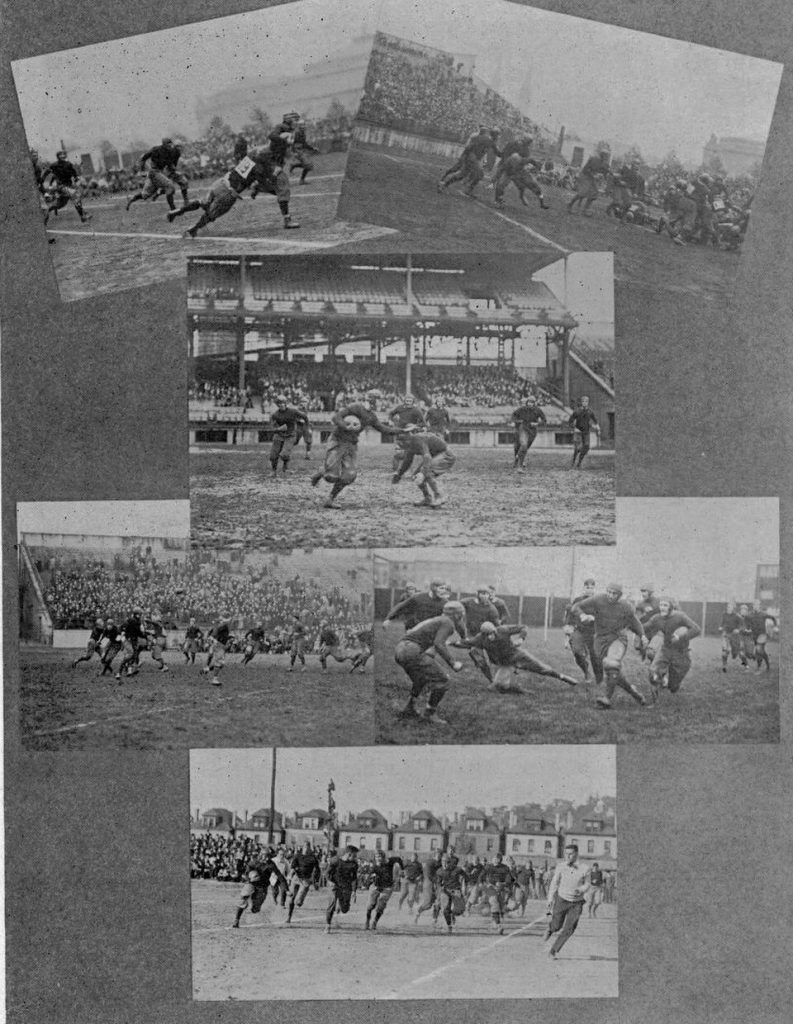
Key Milestones and Developments
- The Rise of the Forward Pass: On November 1, 1913, a heavily unfavored Notre Dame team traveled to West Point to play Army. Using a revolutionary passing attack orchestrated by quarterback Charlie “Gus” Dorais and receiver Knute Rockne, Notre Dame stunned Army 35–13. This game is often cited as the moment the forward pass evolved from a “desperation play” to a sophisticated strategic tool.
- The National Championship: The Harvard Crimson, coached by Percy Haughton, finished the season undefeated (9–0) and was widely recognized as the national champions. They capped their season with a 15–5 victory over Yale, marking their second consecutive undefeated year.
- Conference Expansion: The Southwest Conference (SWC) was in its early stages of conceptualization, and the Western Conference (now the Big Ten) continued to grow in influence, with Chicago winning the conference title under legendary coach Amos Alonzo Stagg.
- Star Players: Aside from the Dorais-Rockne duo, the season featured legendary talents like Jim Thorpe (who had recently turned professional) and Harvard’s Eddie Mahan, a versatile back who became a three-time All-American.
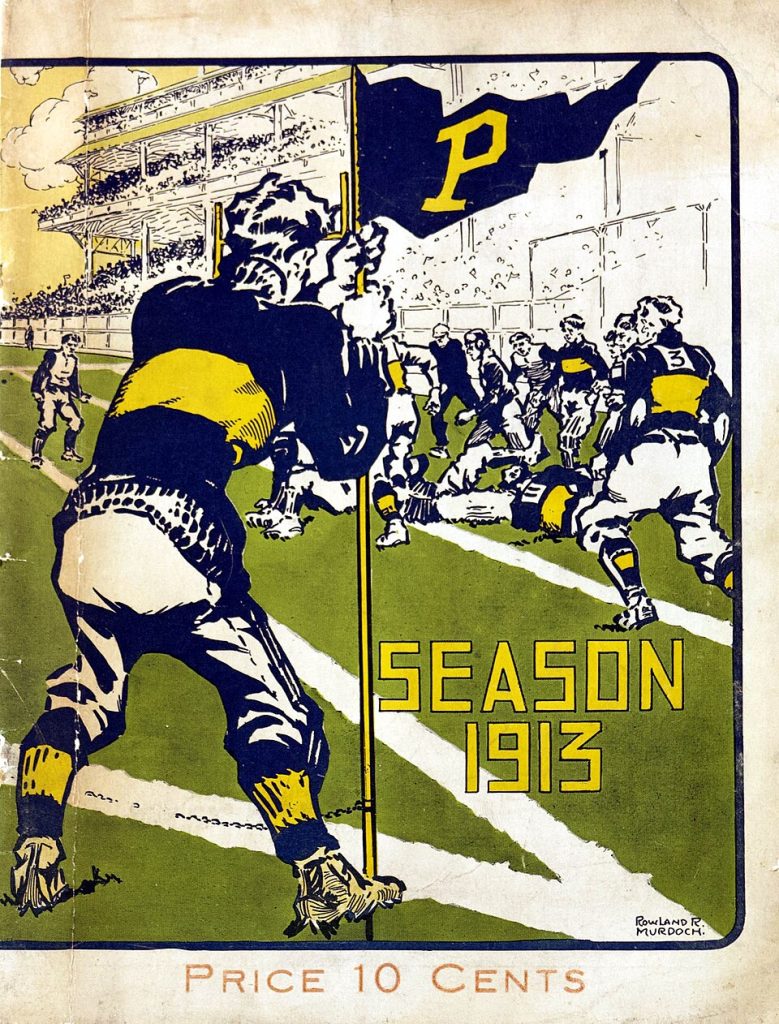
Rowland R. Murdoch (1876–1917)
A Deep Dive into 1913 Football History and Highlights
- November 1, 1913 – Notre Dame surprised Army with an offensive aerial assault of passes from Gus Dorais to Knute Rockne in a 35-13 upset victory over the Cadets.
- November 1, 1913 – Ohio State played its first Big 10 Conference (then called the Western Conference) game against the Indiana Hoosiers, which resulted in a 6-7 loss.
- November 22, 1913 – Harvard defeated Yale 15-5 at Harvard Stadium to cap off an undefeated 9-0 season.