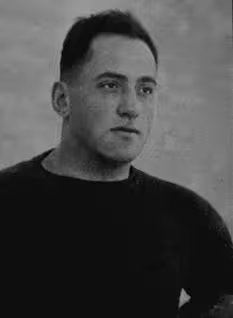
Can a man dominate the trenches of the NFL while simultaneously saving lives in a medical ward? Joe “Doc” Alexander didn’t just balance two demanding careers; he excelled at the highest level of both. A three-time All-American at Syracuse, Alexander was a foundational force in the early days of professional football, even serving as a head coach for the New York Giants. Yet, his most enduring impact may have been off the field, where he traded his helmet for a stethoscope to become a pioneering specialist in lung diseases. This is the story of the Hall of Fame lineman who proved that “Ironman” football was only half of his greatness.
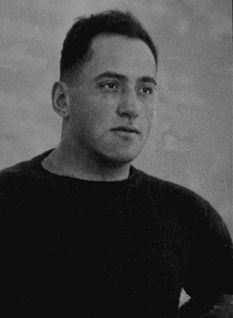
Football Bio
April 1, 1897, in Silver Creek, New York, was the birthday of Joe “Doc” Alexander, who played guard for Syracuse University from 1916 to 1920.
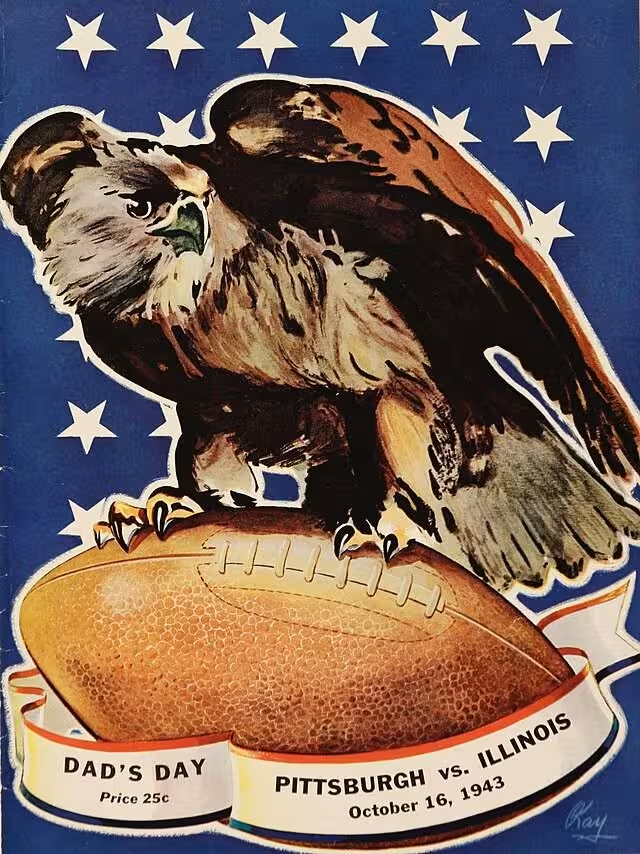
The National Football Foundation says Alexander was a three-time All-America pick, playing guard in 1918 and 1919 and center in 1920. In 1918, he picked up a loose ball against Rutgers and ran 75 yards for a touchdown. He also helped Syracuse beat Pittsburgh in 1919, ending the Panthers’ four-year winning streak.
Doc Alexander was inducted into the College Football Hall of Fame in 1954. He became a medical doctor, specializing in lung diseases, and helped start one of New York’s first tuberculosis centers. He also played in the NFL for seven seasons while practicing medicine and coached the New York Giants in 1926, finishing with an 8-4-1 record.
Conclusion
Joe “Doc” Alexander remains one of the most fascinating figures in the annals of American sports. His ability to transition from a bruising All-American guard to a compassionate lung specialist speaks to a level of discipline rarely seen in any era. Whether he was ending historic winning streaks on the gridiron or establishing vital tuberculosis centers in New York, Alexander approached every challenge with the same tenacity. His induction into the College Football Hall of Fame in 1954 stands as a permanent tribute to a man who was truly a giant in both the stadium and the surgery room.
Accolades and Football Accomplishments
- College Football Hall of Fame: Inducted in 1954.
- 3× All-American: Recognized in 1918 (Guard), 1919 (Guard), and 1920 (Center).
- NFL Pioneer: Played seven seasons in the early NFL with the Rochester Jeffersons and New York Giants.
- New York Giants Head Coach: Led the team to an 8-4-1 record in 1926.
- Syracuse University Legend: Anchored the line for the 1919 team that ended Pittsburgh’s four-year unbeaten streak.
- Big-Play Threat: Recorded a 75-yard fumble recovery touchdown against Rutgers (1918).
- 2× First-Team All-Pro: Recognized as one of the best interior linemen in the professional ranks (1921, 1922).
- Medical Pioneer: Co-founded a major tuberculosis center in New York City.