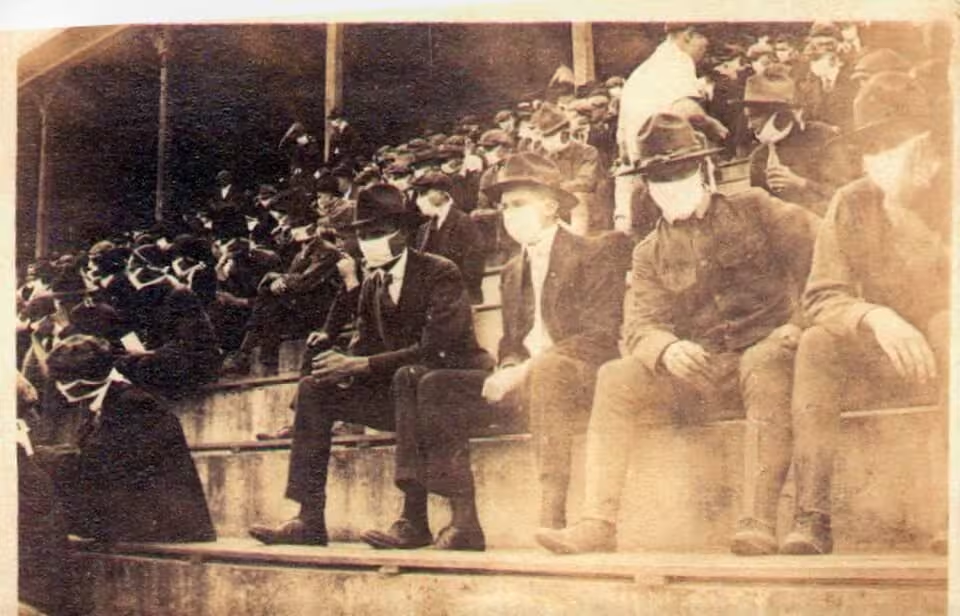
The 1918 American football season remains one of the most unusual and challenging periods in the sport’s history. Dominated by the dual crises of World War I and the 1918 Flu Pandemic, the season was characterized by cancellations, depleted rosters, and a significantly shortened schedule.
The Impact of Global Crisis
- Military Enlistment: Most able-bodied college players and coaches were drafted or volunteered for the war effort. This led many programs, including several Ivy League schools, to suspend their seasons entirely.
- The Spanish Flu: The second wave of the pandemic hit in the fall of 1 of 1918. Public health mandates banned large gatherings, forcing teams to play in empty stadiums or cancel games on short notice.
- SATC Teams: To keep football alive, many universities formed teams through the Student Army Training Corps (SATC), effectively turning college players into soldiers-in-training.
Key Standouts and Champions
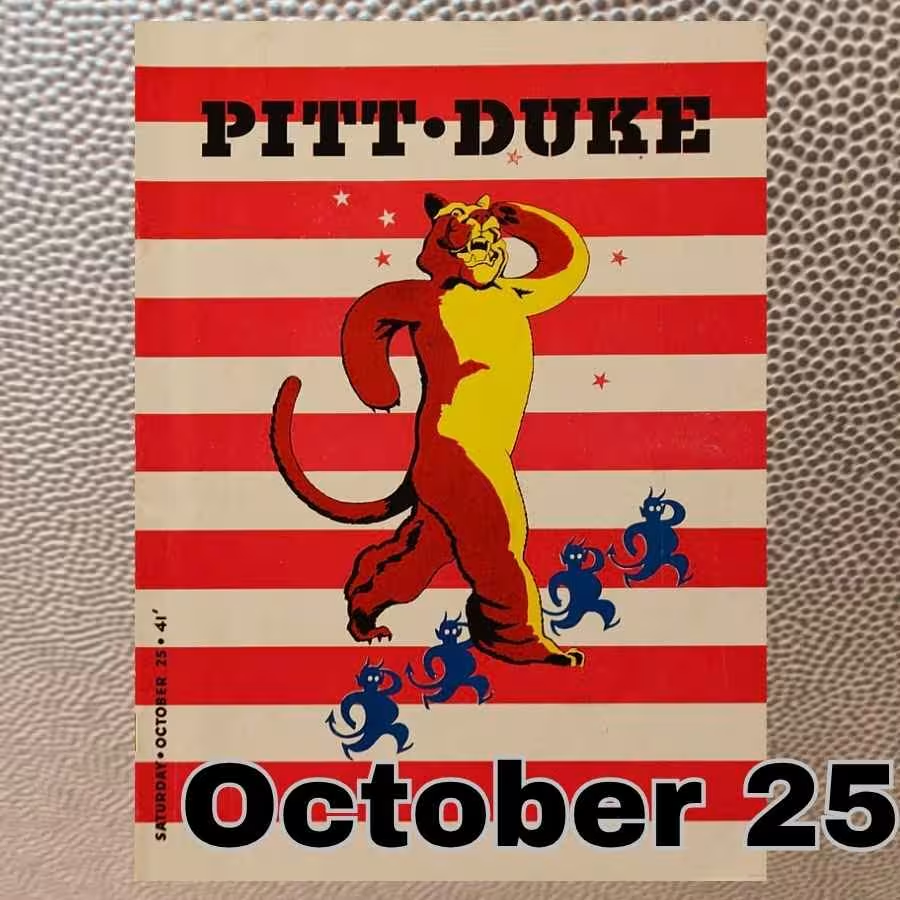
Despite the chaos, a few teams managed to complete dominant runs. The University of Pittsburgh, led by legendary coach Pop Warner, and the University of Michigan are both widely recognized as national champions for the season.
- Pittsburgh: Finished 4–1, suffering their only loss in a high-profile charity game against the Cleveland Naval Reserve.
- Michigan: Finished a perfect 5–0, recording five shutouts and outscoring opponents 96–6.
- Georgia Tech: Under John Heisman, the Golden Tornado went 6–1, further cementing their status as a Southern powerhouse.
A Deep Dive into 1918 Football History and Highlights
- January 1, 1918 – In the first Military Bowl version of the Rose Bowl during WWI, the Mare Island Marines defeated Camp Lewis, 19–7, in the 1918 Rose Bowl.
- September 1, 1918 – The Carlisle Indian School closed its doors after a formal transfer of property to the US Army during WWI and the outbreak of the Spanish Flu Pandemic.