Nothing pairs better with Fourth of July fireworks than a powerhouse lineup of gridiron history. Beyond the backyard barbecues and summer celebrations, July 4th marks a milestone date in football lore, highlighted by a massive structural shift in how night games were played and the birth of several revolutionary Hall of Fame icons. From the NFL’s historic approval of the “White Night Ball” in 1951 to the birthdays of trailblazers like Al Davis and field generals like Floyd Little, this midsummer date proves that some of the sport’s greatest sparks were struck right in the middle of summer.
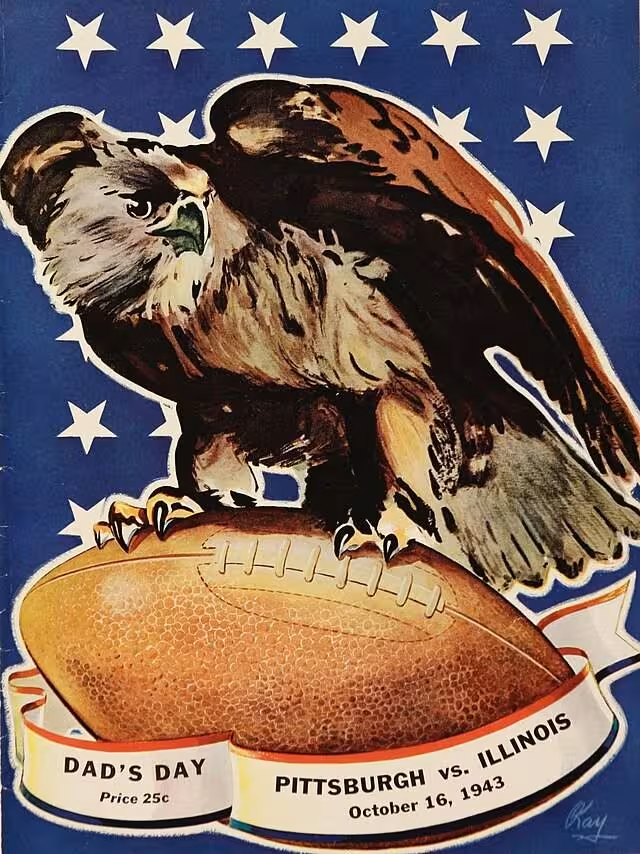
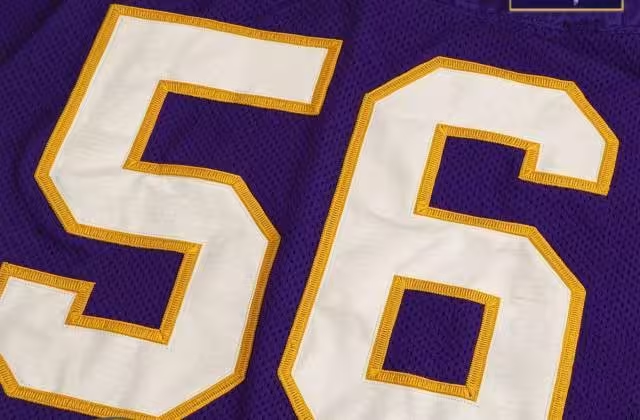
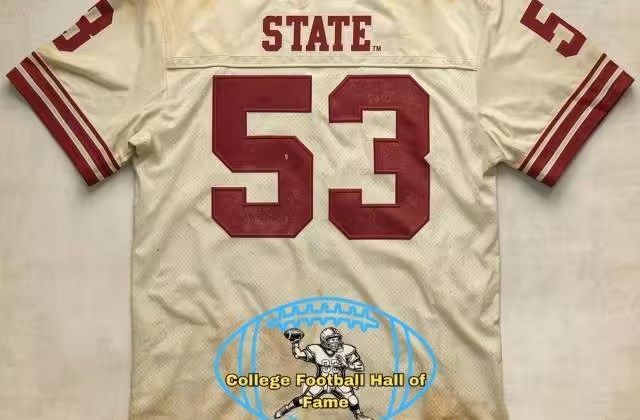
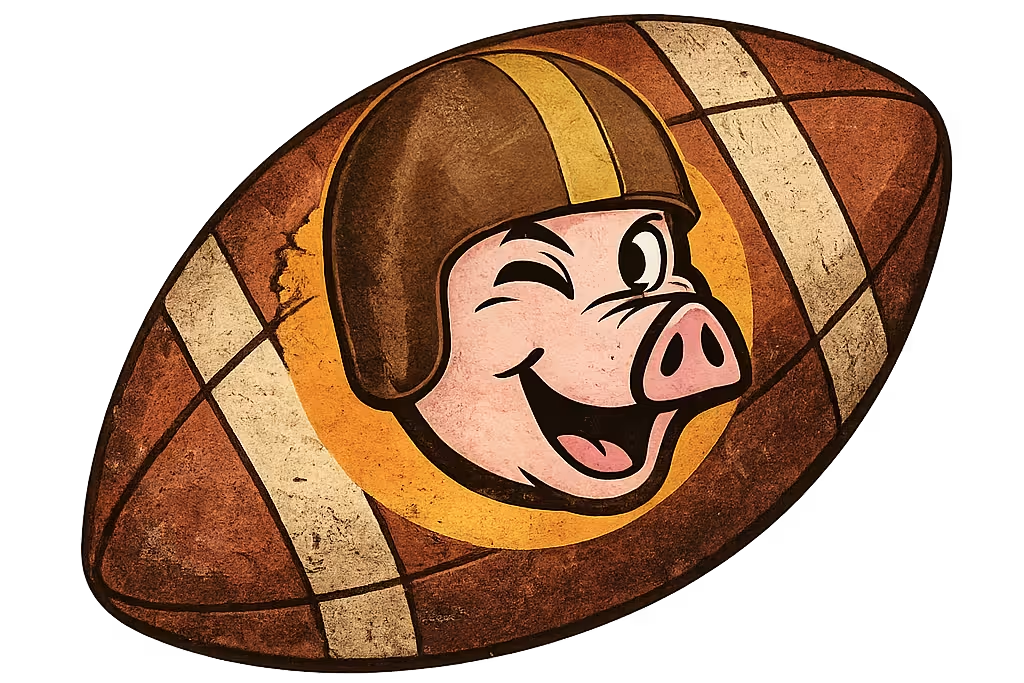
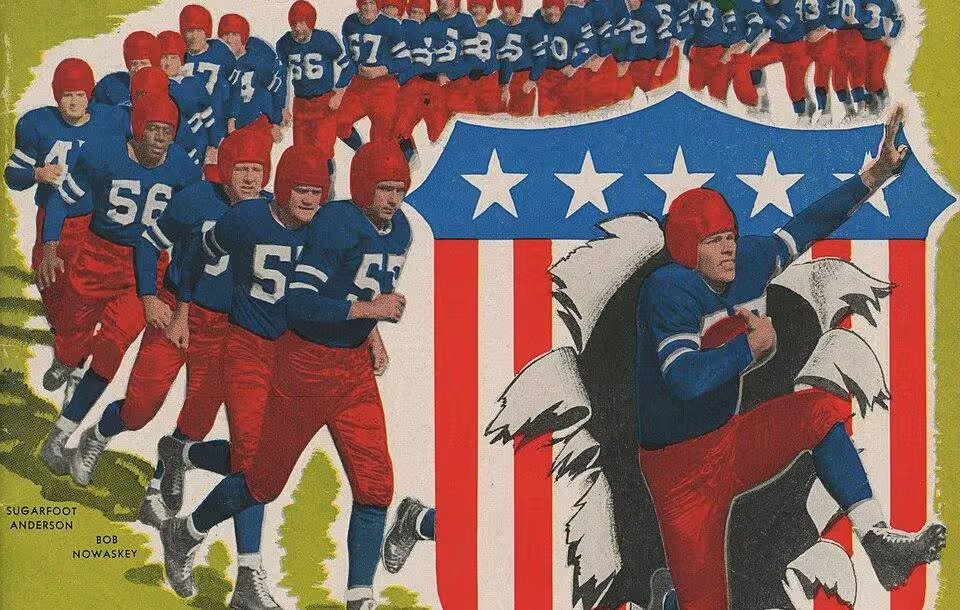
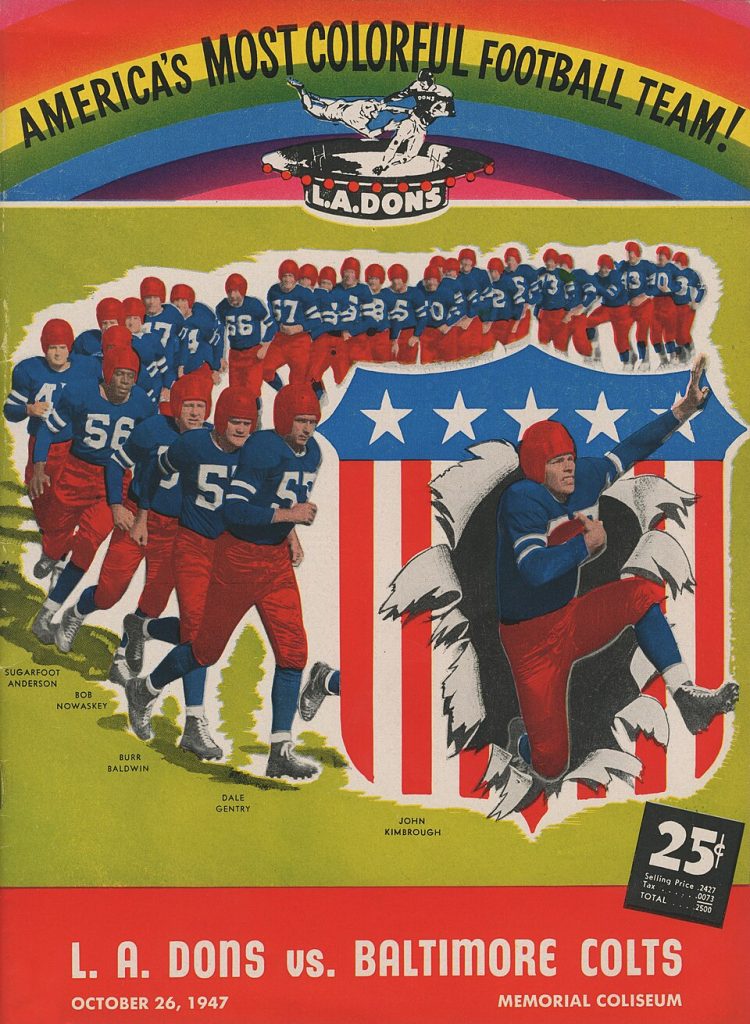
Here is a bit of red, white, and blue art imagery from the past to get these football fireworks started:
July 4 American Football History Timeline
- July 4, 1951 – The White Night Ball: The NFL officially announced its approval of a new white football with black stripes for use during night games to improve visibility for both players and fans under early stadium lighting systems. (PFRA Coffin Corner)(Football Archaeology)
- July 4, 2009 – IFAF Junior World Championships (2009): The inaugural international youth tournament began on the Fourth of July in Canton, Ohio, at the Pro Football Hall of Fame stadium. The United States dominated the tournament. [Source]
July 4 Football Hall of Fame Birthdays
Happy Birthday to these true icons of the game! Since today is the Fourth of July, we are celebrating a powerhouse lineup of gridiron fireworks—from legendary field generals to trailblazing owners who reshaped the sport forever.
Here is your list in chronological order of birth:
- Edgar “Eggs” Manske [1912] – A tough, versatile end for Northwestern, Manske earned All-American honors in 1933 and went down in history as the last collegiate player to regularly take the field without a helmet. After earning a law degree, he played six seasons in the NFL, capped by a stint with the legendary 1940 Chicago Bears, who won the NFL Championship 73-0, before being inducted into the College Football Hall of Fame in 1989.
- Al Davis [1929] – The legendary architect of the Raiders franchise, Davis is the only individual in football history to serve as a scout, position coach, head coach, general manager, commissioner (AFL), and principal owner. Best known for his uncompromising “Just win, baby” mantra and his massive role in forcing the AFL-NFL merger, the 1992 Pro Football Hall of Fame contributor built a global brand that secured three Super Bowl titles.
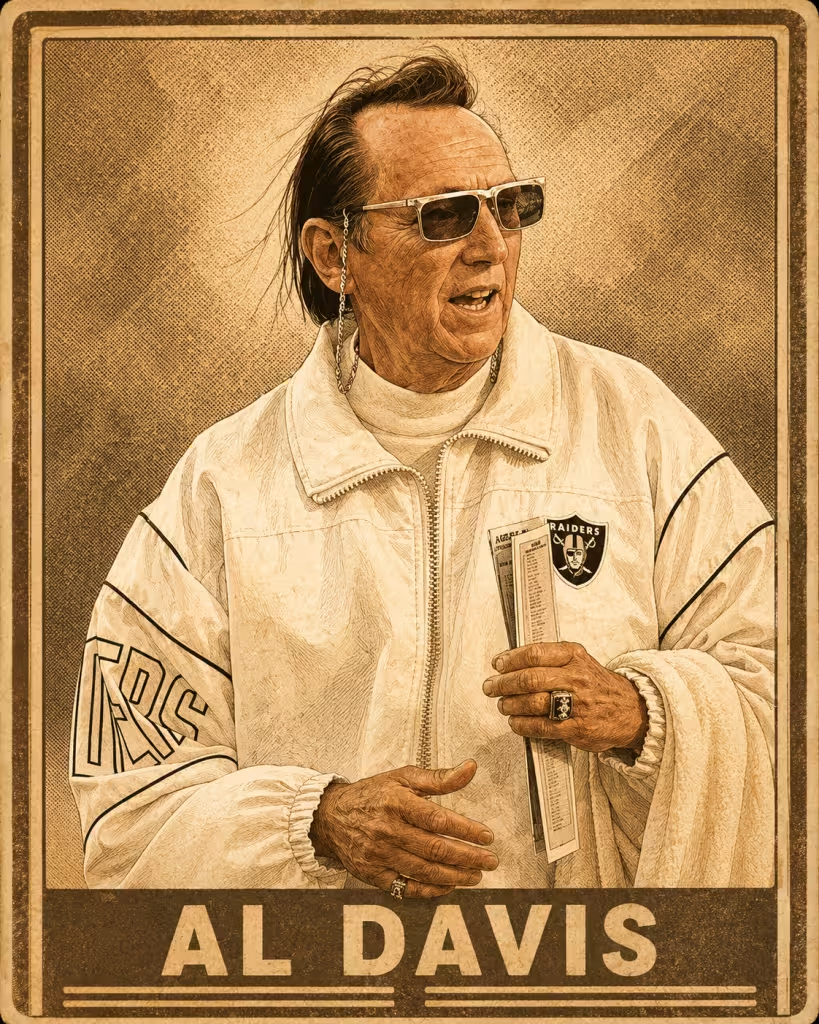
AL DAVIS
- Floyd Little [1942] – A three-time All-American at Syracuse, Little proudly carried on the legacy of the university’s famous number 44 jersey alongside Ernie Davis and Jim Brown before becoming a dual College and Pro Football Hall of Fame inductee. As “The Franchise” for the Denver Broncos, the explosive return threat transitioned into a premier running back, capturing the 1971 NFL rushing title and becoming Denver’s very first 1,000-yard rusher.
FLOYD LITTLE
- Emerson Boozer [1943] – A dominant, high-octane halfback out of Maryland Eastern Shore, Boozer was a two-time All-American who averaged a staggering 6.78 yards per carry over his collegiate career. His stellar production caught the eye of the professional ranks, leading him to a highly successful career with the New York Jets, where he anchored the backfield to help bring home a ring in the historic Super Bowl III upset.
- Bob Breunig [1953] – A fierce defensive anchor, Breunig finished his Arizona State career as the school’s all-time leading tackler before being selected by the Dallas Cowboys in 1975. The 2015 College Football Hall of Fame inductee spent a decade in the heart of the Cowboys’ defense, leading the team in tackles for four seasons, making three Pro Bowls, and winning a ring in Super Bowl XII.
- Willie “The Satellite” Totten [1962] – Operating a historic, high-flying offense at Mississippi Valley State, Totten set the college football world on fire by throwing a record-shattering 56 touchdown passes in 1984. Teaming up with legendary wideout Jerry Rice to terrorize opposing defenses, the 2005 College Football Hall of Fame quarterback rewrote the Division I-AA passing record books before later returning to his alma mater as head coach.
Conclusion
From pioneering visibility under stadium lights to celebrating the birthdays of the game’s ultimate competitors, July 4th holds a unique, star-spangled position in the football archives. The contributions of legendary figures like Al Davis, Floyd Little, and Willie Totten didn’t just win games—they permanently reshaped the strategy, business, and cultural impact of the sport. As we look back on these summer milestones, we are reminded that football’s most enduring legacies are forged by individuals who weren’t afraid to innovate, break records, and change the game forever.