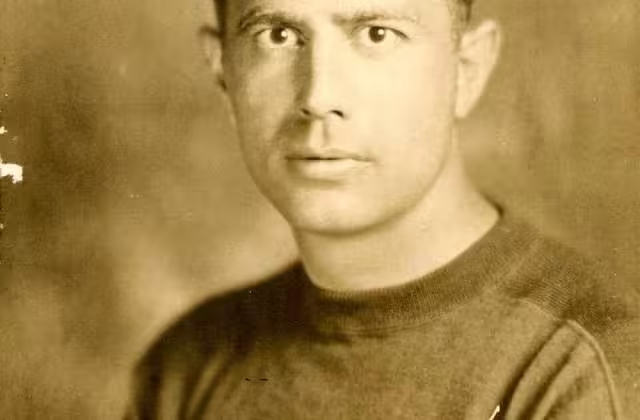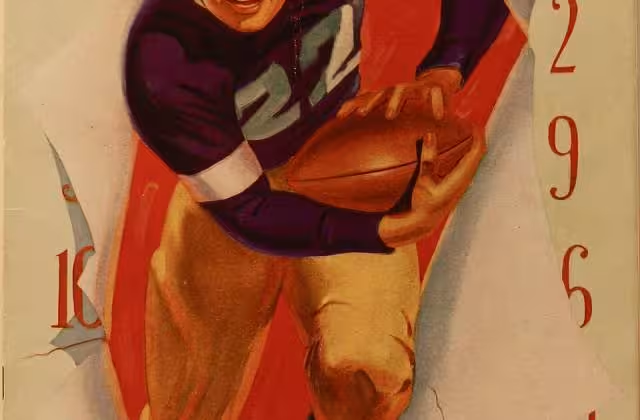
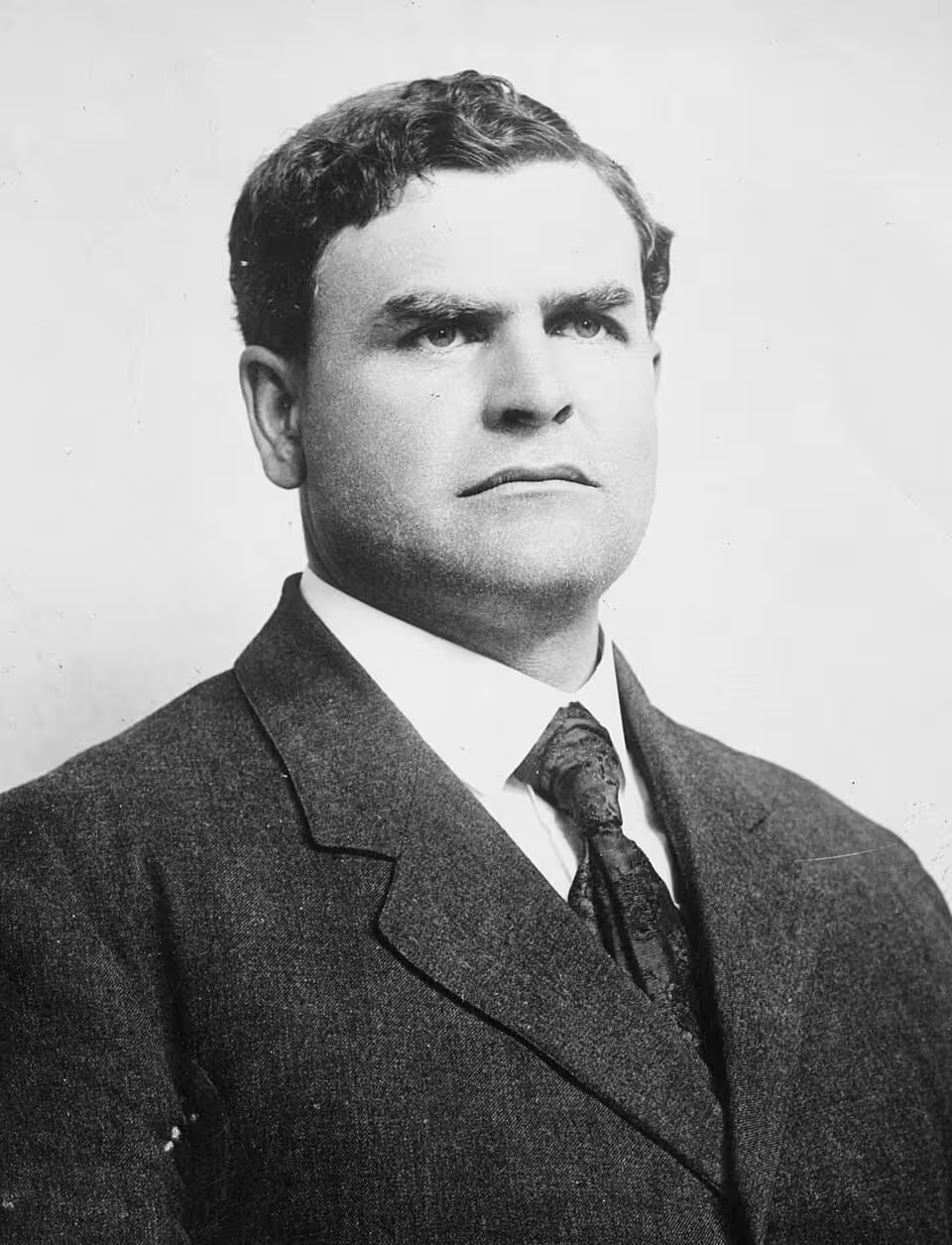
Glenn Scobey “Pop” Warner was born on April 5, 1871, in Springville, New York. Though he initially set out to practice law, his chance encounter with a football coach on a train changed the trajectory of American sports forever, transforming him into one of the most influential figures in football history.
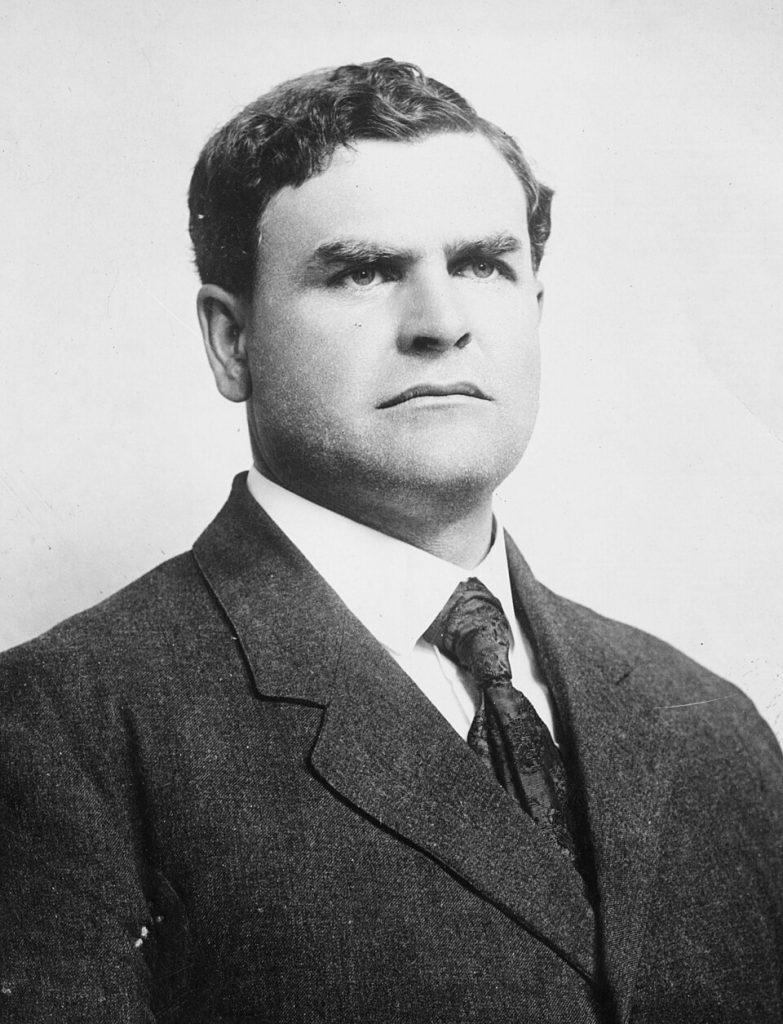
College Career: The Birth of “Pop”
Warner’s collegiate journey began at Cornell University in 1892. Despite never having played a game of “real” football, his 200-pound frame caught the coaching staff’s eye. He played as a guard from 1892 to 1894. Because he was older than most of his undergraduate teammates—having already spent time working on a ranch in Texas and attending law school—he was affectionately nicknamed “Pop,” a title that remained with him for the rest of his life. He eventually captained the Cornell team in 1894 before graduating with a law degree.
Professional Experience
While primarily known as a coach, Warner did have a brief brush with professional play. In 1902, he played for the Syracuse Athletic Club during the first “World Series of Football” held at Madison Square Garden. He participated in the first-ever professional indoor football game, where his Syracuse squad famously upset the “New York” team.
A Towering Football Legacy
Warner’s true impact was felt on the sidelines. Over a 43-year coaching career, he pioneered innovations that define the modern game, including:
- Tactical Innovations: He is credited with inventing the screen pass, the single-wing and double-wing formations, and the spiral punt.
- Equipment Safety: He introduced thigh pads and improved shoulder pads to protect players.
- Mentorship: At the Carlisle Indian Industrial School, he coached the legendary Jim Thorpe, helping him become one of the greatest athletes in history.
Accolades, Awards, and Career Stats
Warner retired as the winningest coach of his era, leaving behind a statistical record that remains elite today.
| Category | Career Achievement |
| Total Career Wins | 319–106–32 |
| National Championships | 4 (1915, 1916, 1918 at Pitt; 1926 at Stanford) |
| Hall of Fame | Inducted into College Football Hall of Fame (1951) |
| Major Awards | Amos Alonzo Stagg Award (1948) |
| Schools Coached | Georgia, Iowa State, Cornell, Carlisle, Pitt, Stanford, Temple |