From the sting of NCAA sanctions to the birth of “The Ultimate Weapon,” March 27 is a day defined by high stakes and elite versatility. On this date, imagine a world where a guard scores two touchdowns in a single game, or a punter becomes one of the most electric quarterbacks in NFL history. Whether it’s the Minnesota Golden Gophers grappling with the fallout of the Luther Darville scandal or the NFL celebrating its first 20-million-fan season, March 27 connects stories of resilience, record-breaking crowds, and football legends who played every snap as if it were their last.
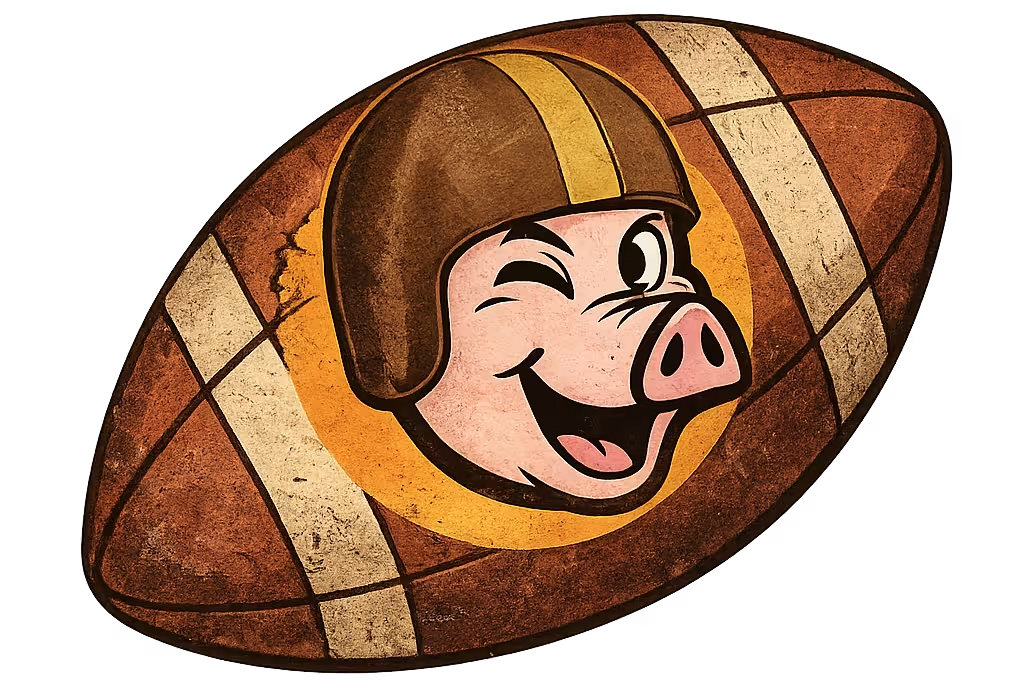
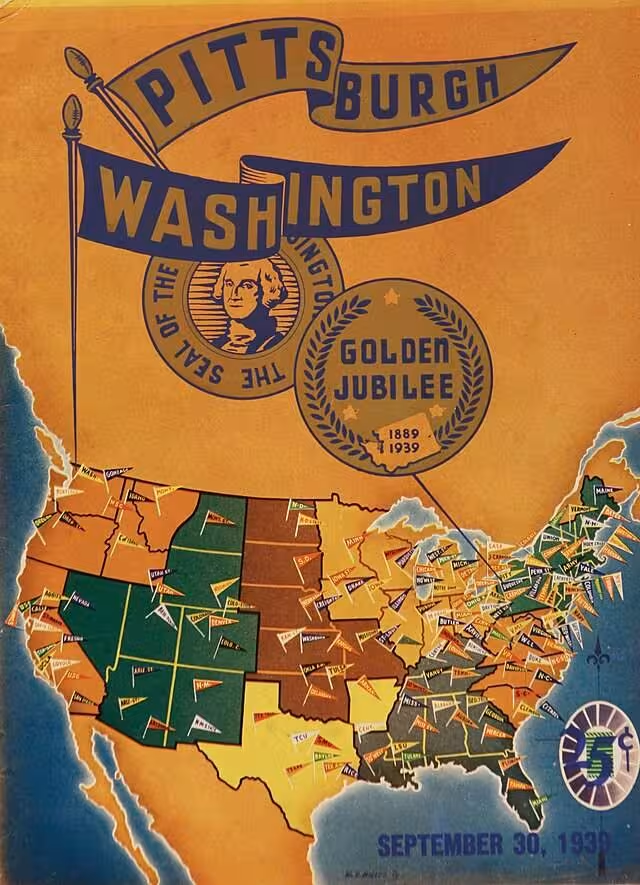
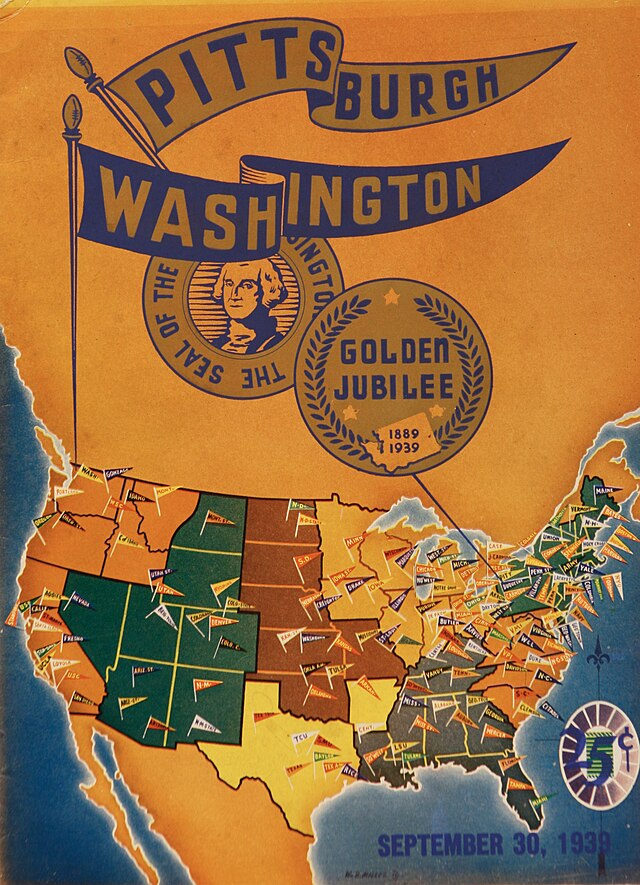
Our image of the day is a truly interesting piece of nostalgic gridiron art.
March 27 American Football History Timeline
- March 27, 1991, the NCAA banned the University of Minnesota Golden Gophers football program from postseason play in 1992. Ed Sherman, in an article he wrote for the Chicago Tribune, tells the tale of the incident quite well. A former University of Minnesota administrator, Luther Darville, began handing out cash to football players in 1982. Others in the Minnesota program caught him red-handed in 1988 and stopped the practice with consequences. Therefore, the NCAA felt obligated to conduct its own investigation, and in its aftermath, it laid the hammer down on the program in 1991, preventing the team from participating in a bowl game during the 1991 postseason. Mr. Sherman raises some great points about people who committed crimes, both in Darville’s handing out the funds and in the 1982-era players who accepted them, who did not suffer much at all from the NCAA penalty. But the legacy players and coaches in the Golden Gophers program, almost a decade later, served the penance for what their predecessors did so long ago. D. Alan Williams, chairman of the NCAA`s infraction committee in 1991, had a different opinion, according to the article. First, he said, the NCAA isn`t penalizing individuals. The penalties are imposed on the institution. It`s always unfortunate, but the committee has before it what it is required to do .” The matter comes down to the fact that there has to be a better solution for punishing those who violate institutions, perhaps a more efficient and timely investigation, rather than one that takes three years to complete. (source)
- March 27, 2000 – NFL officials announced that the 1999 season was the first time paid attendance averaged over 65,000 per game. It was also the first time in the League’s history that paid attendance reached over 20 million for all games in a single season.
March 2 Football Hall of Fame Birthdays
Happy Birthday to these legendary gridiron figures! Since today is Friday, March 27, 2026, it’s a great time to look back at these Hall of Fame careers. Here is your list in order of birth:
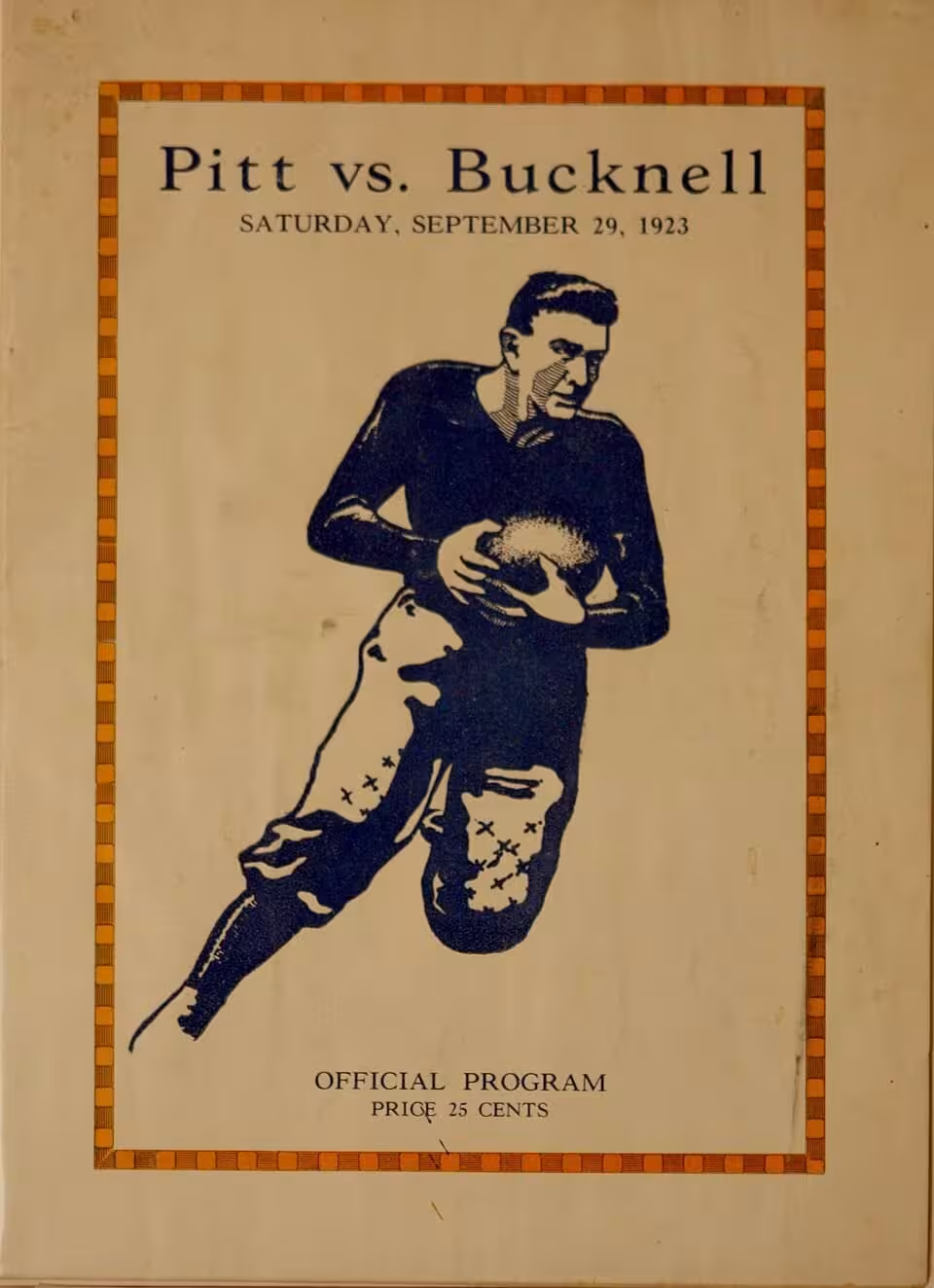
- Herb Stein [1898] A versatile “Steel City” legend for the University of Pittsburgh, Stein successfully transitioned from fullback to center to become a 1921 All-American. Known for a playing style described as a “blast furnace,” he was a dominant two-way force for Pitt before being inducted into the College Football Hall of Fame in 1967.
- Malcolm Kutner [1921] A multi-sport star at the University of Texas, Kutner used his elite leaping ability and track-star speed to become a consensus All-American end. After serving in WWII, he became the 1947 NFL MVP and led the Chicago Cardinals to a World Championship, eventually earning a spot in the College Football Hall of Fame in 1974.
- Alex Agase [1922] A rare three-time All-American at two different schools (Illinois and Purdue), Agase was a guard who played with the playmaking instincts of a back, once scoring two touchdowns in a single game against Minnesota. After winning three championships with the Cleveland Browns, he became a celebrated head coach and was named National Coach of the Year in 1970.
- Randall Cunningham [1963] The first UNLV Rebel to enter the College Football Hall of Fame, Cunningham was a “human highlight reel” who earned All-American honors as both a punter and a quarterback. He translated that athleticism into a 17-year NFL career, primarily with the Philadelphia Eagles and Minnesota Vikings, retiring with the second-most rushing yards by a quarterback in league history.
Conclusion
The stories of March 27 remind us that the gridiron is a place of constant evolution. We see this evolution in the move from Herb Stein’s “blast furnace” toughness to Randall Cunningham‘s multifaceted brilliance. Meanwhile, the 1991 NCAA penalties against Minnesota highlight issues of institutional accountability, and the achievements of Alex Agase, Malcolm Kutner, and Cunningham exemplify athletic excellence. As we look back on these milestones, it becomes clear that football continues to grow—surpassing 20 million fans in a season—while always preserving the spirit of its greatest icons.