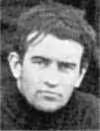
In the late 19th century, the name Poe was synonymous with “The Raven” in literature, but on the football field, it meant a recurring nightmare for the Yale Bulldogs. Arthur “Art” Poe was far from a physically imposing figure, but he possessed a literary sense of timing that would have made his famous uncle, Edgar Allan Poe, proud. As a master of the “big play,” Art Poe used his speed and a legendary drop-kick to secure his place in the annals of the Big Three era. From a 95-yard sprint to a game-winning kick under immense pressure, this is the story of the man who turned rivalry games into masterpieces of drama.
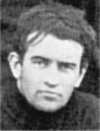
Source College Football HoF site
Football Bio
March 22, 1879 – Baltimore, Maryland – Art Poe, the great end of Princeton University, was born. He was poetry in motion, according to some accounts; after all, he was the nephew of the famous writer Edgar Allen Poe.
The NFF says Arthur was one of six Poe brothers to star for the Orange and Black and one of two to make All-America selections. Poe was quite troublesome for opposing teams, especially with rival Yale. They sometimes even forgot about the undersized player, much to their detriment. For example, in the opening half of the 1898 Princeton-Yale game, Poe picked up a Yale fumble and raced 95 yards for the only touchdown of the game.
The next season, Poe attempted the first drop-kick field goal of his collegiate career and successfully banged it through the uprights and beat Yale again, this time by the narrowest of margins of 11-10! The Tigers lost only one game during those two campaigns, a 5-0 decision to Cornell in 1899. Art Poe was inducted into the College Football Hall of Fame in 1969.
Conclusion
Art Poe was a player who proved that size was irrelevant when compared to instinct and “clutch” ability. By twice breaking the hearts of Yale fans with two entirely different skill sets—a defensive sprint and a special teams kick—he became a permanent fixture of Princeton lore. His induction into the College Football Hall of Fame in 1969 served as a reminder that the early days of the sport were defined by versatile “ironmen” who could change a game in a single heartbeat. Though he shared a name with a master of the macabre, Art Poe’s story was one of pure, unadulterated triumph on the gridiron.
Accolades and Football Accomplishments
- College Football Hall of Fame: Inducted in 1969.
- Consensus First-Team All-American: 1899.
- National Champion: Member of the 1898 and 1899 Princeton teams (recognized as retroactive champions).
- “Yale Killer”: Responsible for the winning scores in back-to-back victories over Yale (1898 and 1899).
- The 95-Yard Dash: Set a then-record with a 95-yard fumble return for a touchdown against Yale (1898).
- Drop-Kick Specialist: Successfully converted his first-ever collegiate drop-kick attempt to win the 1899 Yale game.
- Poe Dynasty: One of six brothers to play for Princeton; two of whom (Art and John) were All-Americans.