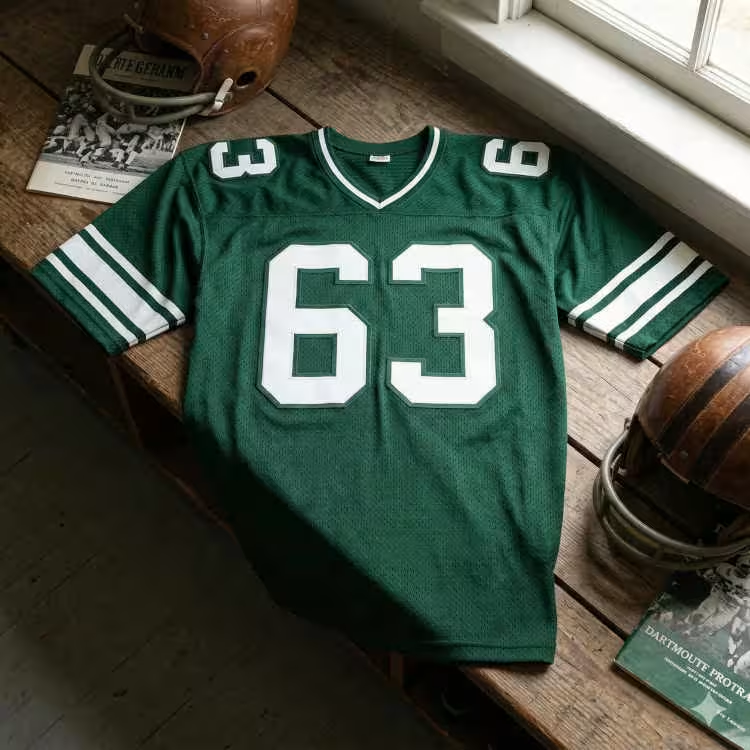
What do you do when your own guidance counselor tells you to aim lower and legendary coaches say you’re too small? If you’re Reggie Williams, you head to the Ivy League and become a Hall of Famer. Born with a significant hearing impairment and told he didn’t have the frame for major college football, Williams transformed himself from a discouraged fullback into the most feared linebacker in Dartmouth history. His journey from Flint, Michigan, to the pinnacle of both academic and athletic success is a masterclass in the “high motor” mentality. Relive the story of the man who proved that heart and intellect are the ultimate defensive weapons.
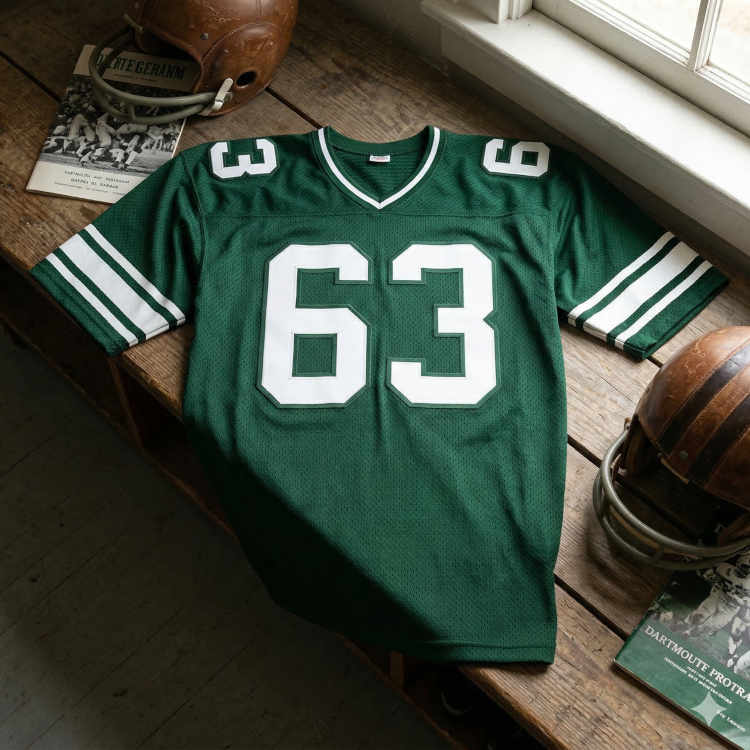
Football Bio
September 19, 1954 – Flint, Michigan – The stellar linebacker from Dartmouth, Reggie Williams, celebrated his birthday.
One interesting thing about Reggie was his ability to overcome obstacles, such as limited hearing, and withstand criticism from some experts, including Bo Schembechler at Michigan, who considered him too small to play fullback. His outstanding academics drew Dartmouth’s attention, even though his high school guidance counselor discouraged him from applying to the Ivy League school. Williams proved them all wrong, doing well in school and on the football field.
A switch from fullback to linebacker paved the way for Reggie’s stardom, as his high motor was perfect for the position. As a senior, he had 117 tackles to lead the team, and Reggie was named an All-Ivy League player and a first-team All-American. The NFF selection committee honored Reggie Williams’s great collegiate career in 2007 by inducting him into the College Football Hall of Fame.
Conclusion
Reggie Williams didn’t just play football; he conquered every barrier placed in his path. By transitioning positions and excelling at an Ivy League level, he demonstrated that elite athleticism and academic brilliance are not mutually exclusive. His 14-season career with the Cincinnati Bengals further solidified his reputation as a “thinking man’s linebacker,” but it was his foundation at Dartmouth—built on 117-tackle seasons and All-American honors—that truly defined his legacy. Today, he stands as a beacon for any athlete told their dreams are “too big” for their circumstances.
Accolades and Football Accomplishments
- College Football Hall of Fame: Inducted in 2007.
- First-Team All-American: 1975.
- 3× First-Team All-Ivy League: (1973, 1974, 1975).
- Dartmouth Team Captain: Led the Big Green as a senior.
- 14-Season NFL Veteran: Played his entire pro career with the Cincinnati Bengals (1976–1989).
- Walter Payton NFL Man of the Year: Awarded in 1986 for his community service and excellence on the field.
- Sports Illustrated Sportsman of the Year: 1987.
- 2× Super Bowl Participant: Played in Super Bowl XVI and Super Bowl XXIII.
- Byron “Whizzer” White Award: Received in 1986 for his service to team, community, and country.
- Cincinnati Bengals Hall of Fame: Inaugural member.