🏈 A Record-Breaking Crowd in Pasadena
On January 20, 1980, a record-setting crowd of 103,985 fans packed the Rose Bowl to witness a clash of eras. The Pittsburgh Steelers, the dominant force of the 1970s, were looking to cement their status as the greatest dynasty in NFL history. Standing in their way were the “underdog” Los Angeles Rams, a 9-7 team playing just miles from their home stadium. What followed was a back-and-forth “seesaw” battle that featured seven lead changes—a Super Bowl record that stood for decades—proving that the Rams were far more dangerous than their record suggested.
The Long Bomb Redemption
Despite throwing three interceptions, Terry Bradshaw demonstrated why he was the era’s premier big-game quarterback. The Rams held a surprising 19-17 lead heading into the fourth quarter, threatening to pull off one of the greatest upsets in sports history. However, Bradshaw stayed poised, connecting with John Stallworth on a legendary 73-yard touchdown pass that gave Pittsburgh a 24-19 lead and deflated the Los Angeles momentum.
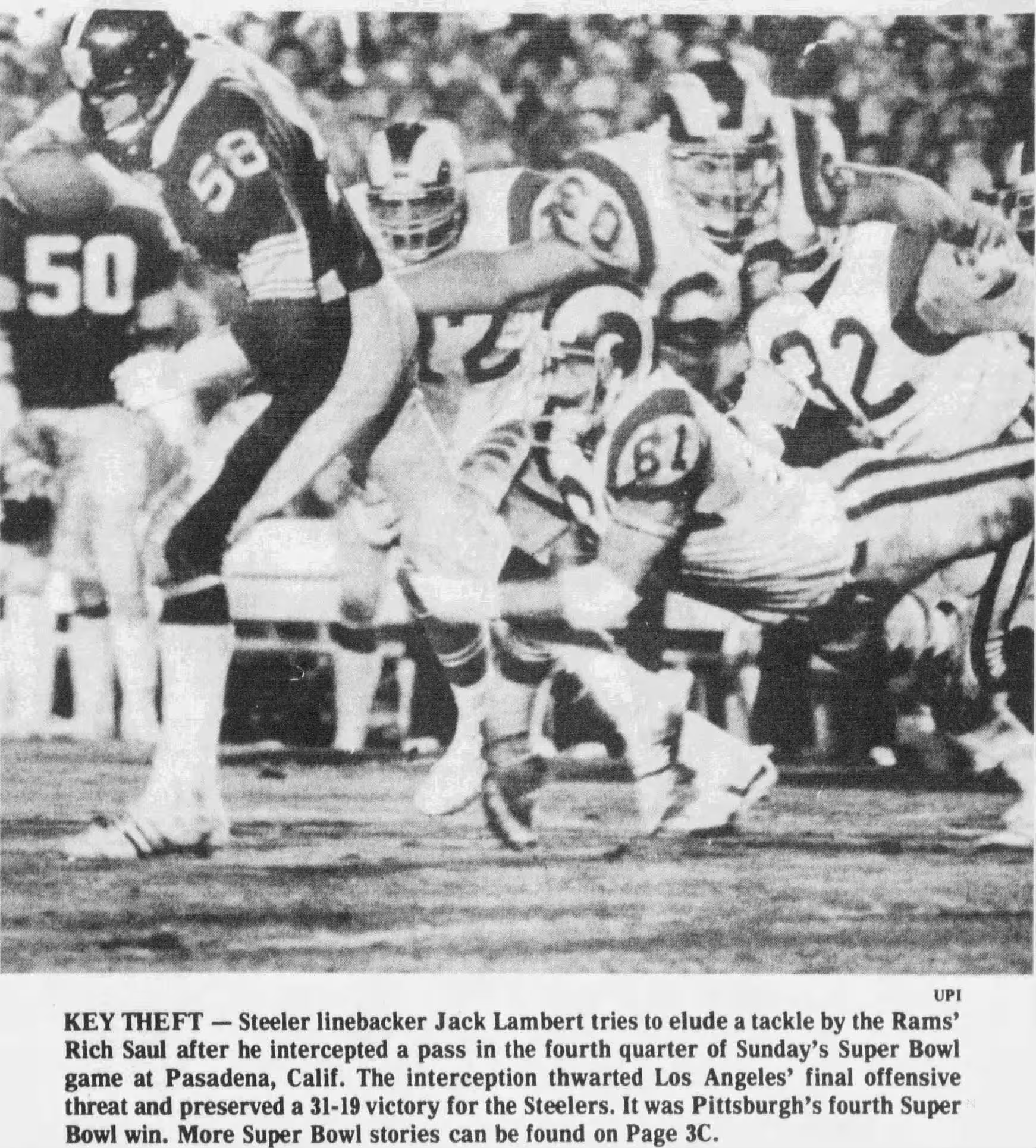
The “Steel Curtain” defense then slammed the door. Jack Lambert snuffed out a late Rams threat with a critical interception at the Pittsburgh 14-yard line. With the game in the balance, the Steelers leaned on their veteran core, orchestrating a final drive capped by a 1-yard Franco Harris touchdown to seal the 31-19 victory.
Article from Jan 21, 1980 The Naples Daily News (Naples, Florida)
Conclusion: The First Four-Timer
Super Bowl XIV was the crowning achievement of the 1970s Steelers. By winning their fourth championship in just six seasons, Pittsburgh became the first franchise to reach the “four-ring” milestone. Terry Bradshaw earned his second consecutive Super Bowl MVP, finishing with 309 passing yards and two scores. While the Rams earned immense respect for their gritty performance—led by a fractured-legged Jack Youngblood—the day belonged to the Black and Gold, confirming their place as the NFL’s first true “Team of the Decade.”