The 1915 season marked a transformative era for both collegiate and professional American football, characterized by coaching shifts and the rise of legendary athletes.
College Football National Champions (Co-Champions)
While no single champion was crowned at the time, the NCAA now recognizes three undefeated teams for the 1915 season:
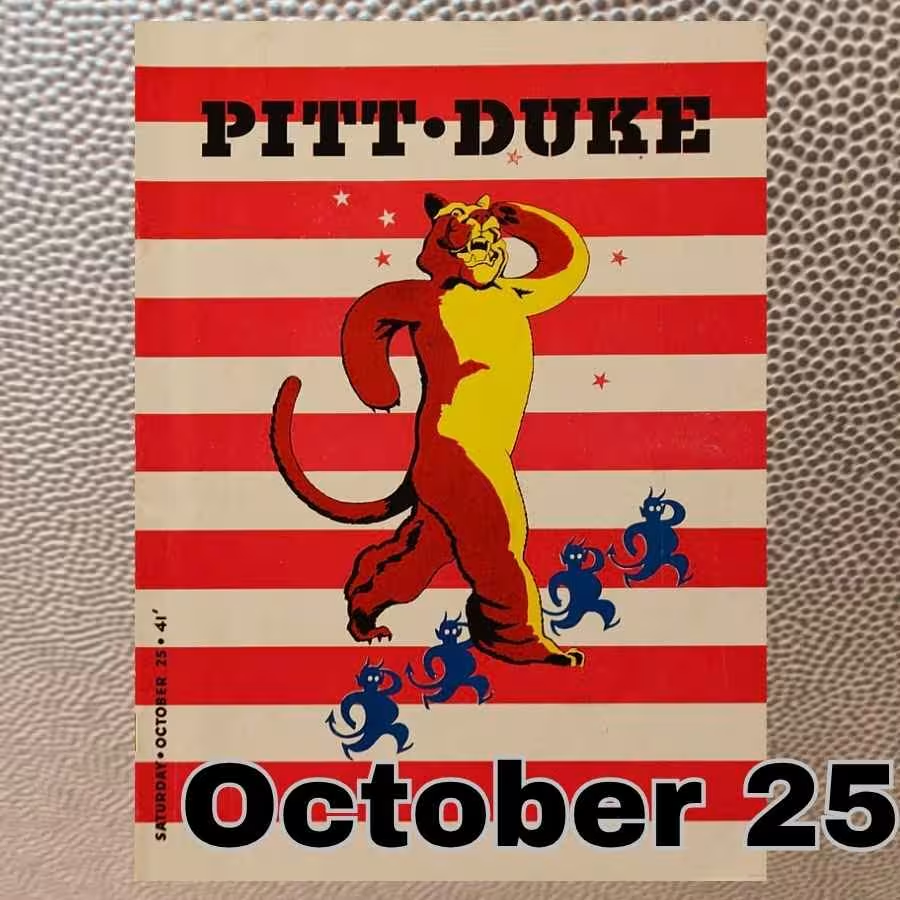
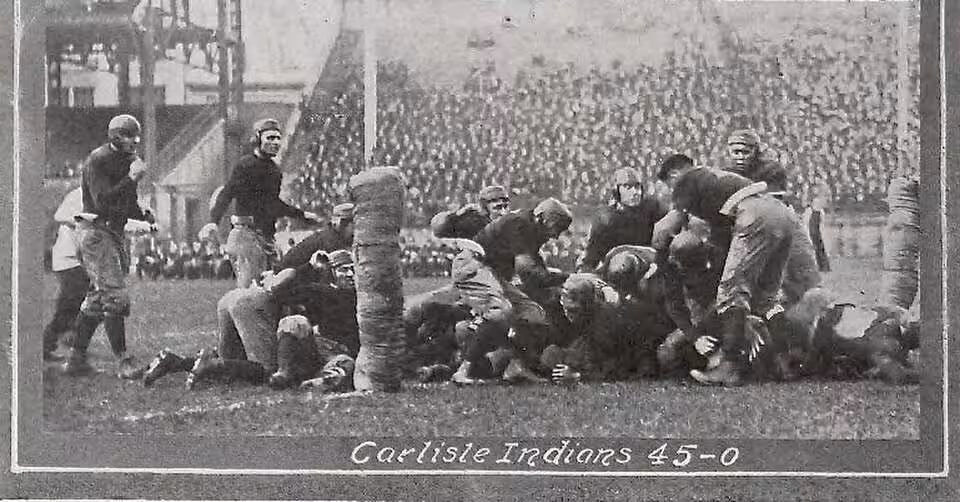
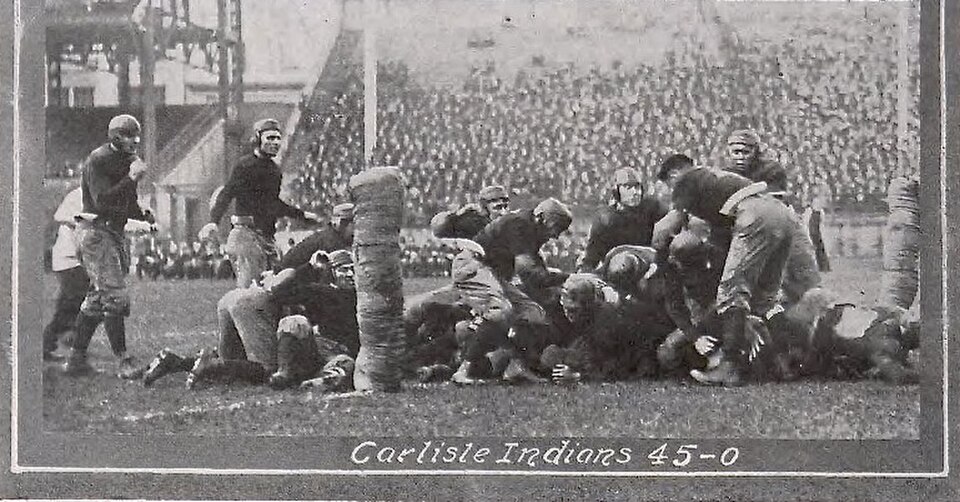
- University of Pittsburgh (8-0): Led by Pop Warner, Pitt cemented its status by defeating Carlisle (45-0) and Penn State (20-0).
- Cornell University (9-0): Posted a perfect season with marquee victories over powerhouse programs Harvard and Penn.
- University of Oklahoma (10-0): Finished at the top of the Southwest Conference (tied with Baylor in conference play) after a narrow 14-13 victory over Texas.
Professional Football Highlights
The professional landscape remained localized in the Ohio region, defined by the revitalization of the Canton-Massillon rivalry.
- Canton Bulldogs Sign Jim Thorpe: In a landmark move for pro sports, the Bulldogs signed the legendary Jim Thorpe for the then-massive sum of $250 per game.
- The Professional Championship Tie: The 1915 pro season ended without a clear-cut winner. The Canton Bulldogs and Massillon Tigers (both 5-2-2) split their head-to-head series, leading to a recognized tie for the top spot.
- The Youngstown Patricians: Although finishing with a strong record, the PFRA often discounts their claim to the 1915 title due to a lower strength of schedule compared to the Canton and Massillon squads.
A Deep Dive into 1915 Football History and Highlights
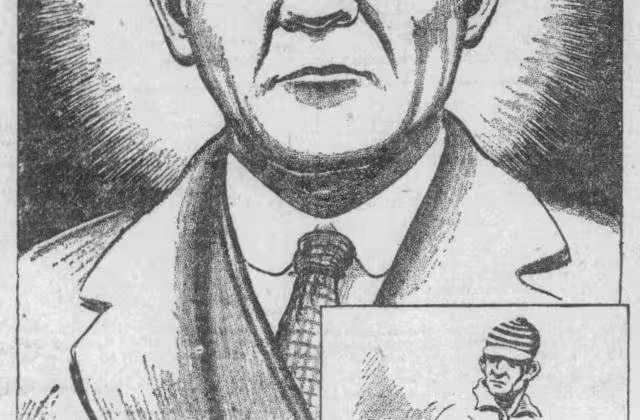
- September 5, 1915: The Gazette Times publishes Walter Camp’s interview regarding the “great change” in the game: legendary coach Pop Warner leaving the Carlisle Indians to lead the University of Pittsburgh.
- September 17, 1915 – Legendary Coach Greasy Neale signs a contract to become the head coach at Muskingum College.
- November 1915 – Jim Thorpe signs a professional football contract to play for the Canton Bulldogs just before the Massillon rivalry game.
- December 2, 1915 – A meeting was held that would form the Pacific Coast Conference – a precursor to the modern Pac-12 Conference; four founding members from California, Oregon, and Washington. (Source)
- Late 1915: Under Warner’s leadership, Pitt debuts the three-point stance and innovative offensive shifts, forever changing technical line play.