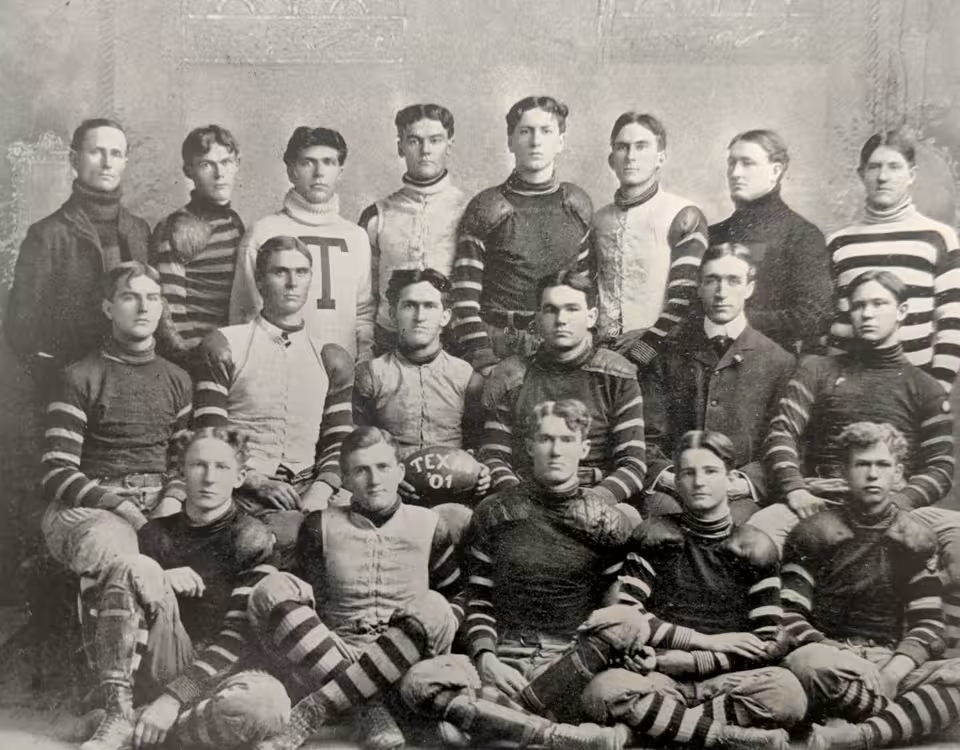
The 1901 college football season was a landmark year that cemented the dominance of the “Big Three” (Harvard, Yale, and Princeton) while witnessing the rise of a defensive powerhouse in the Midwest. It was an era of grueling, low-scoring games played long before the legalization of the forward pass.
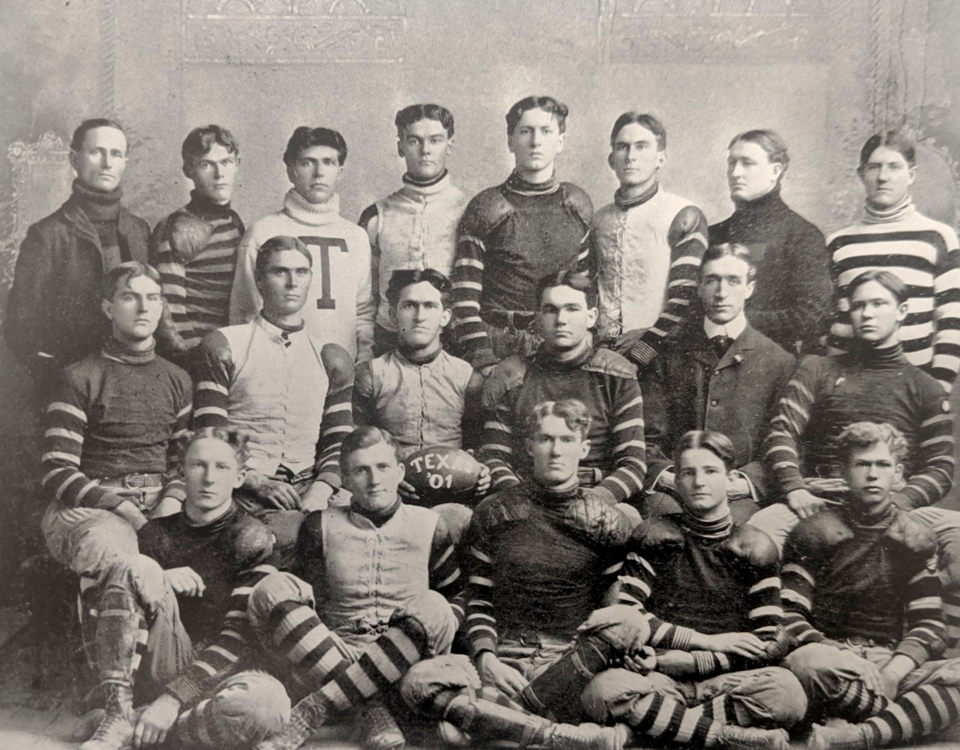
🏆 The Dominance of Michigan
The most significant story of 1901 was the emergence of the Michigan Wolverines, led by legendary coach Fielding H. Yost in his inaugural year.
- The “Point-a-Minute” Team: Michigan finished the season 11–0, outscoring its opponents by a staggering 550 to 0.
- National Championship: While the title was often disputed in this era, Michigan is widely recognized as the national champion alongside Harvard.
🏛️ The Ivy League Powerhouses
In the East, the traditional powers continued to dictate the game’s standards:
- Harvard: Finished 12–0 and is retroactively recognized by many selectors as a co-national champion. They were led by Bill Reid and featured a defense that allowed only 24 points all season.
- Yale: Following an undefeated 1900 season, Yale remained elite but suffered a pivotal 22–0 loss to Harvard, ending their bid for back-to-back titles.
A Deep Dive into 1901 Football History and Highlights
- November 15, 1901 – Tuscaloosa, Alabama – From Onthisday.com, the 6th Iron Bowl classic took place, as the Auburn Tigers blanked the Alabama Crimson Tide 17-0.
- December 2, 1901 – George Owen, a swift Harvard halfback and a standout hockey and baseball athlete, was born. His brilliant collegiate career earned him induction into the College Football Hall of Fame in 1983.