
 By Darin
 What’s in a name? For the New England Patriots, it was almost a public relations disaster involving a very unfortunate abbreviation. On March 25, 1971, the “Boston Patriots” officially rebranded, but they nearly became the “Bay State Patriots” until General Manager Upton Bell stepped in to save the franchise from a headline-writer’s dream. Discover the hilarious and high-stakes story of how a potential “B.S.” nickname was narrowly avoided, giving birth to one of the most successful regional identities in professional sports history.
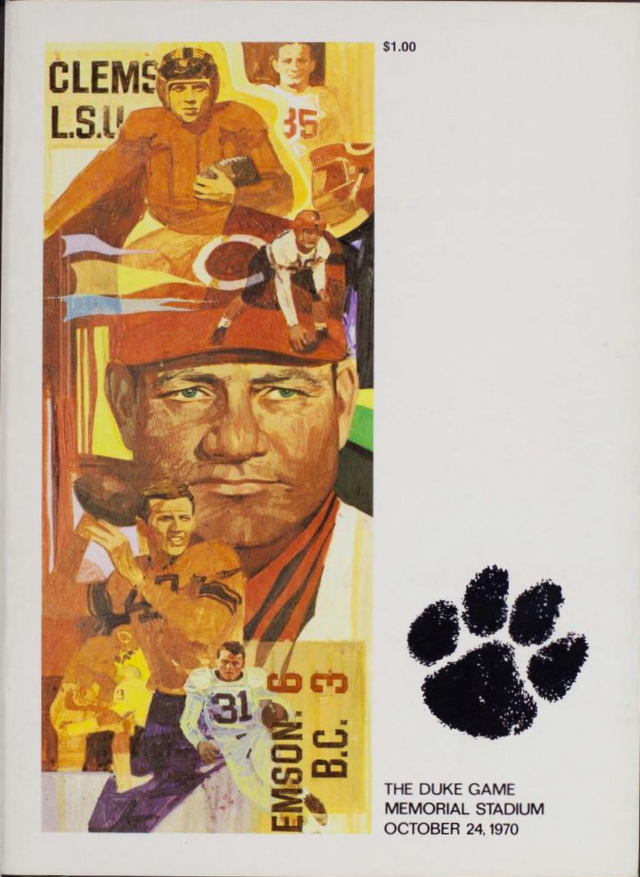
First, some gridiron art appropriate to our March 25 birthday.
March 25 American Football History Timeline
- On March 25, 1971, the Boston Patriots became the New England Patriots. Our guest on
In the February 25 podcast, Upton Bell described how he played a part in this
renaming. Bell, who was the General Manager at the time, says that when he
took the position after leaving the Baltimore Colts that the Boston franchise
was entertaining using the name Bay Side Patriots until Upton noticed that a
The local newspaper put a headline that used the abbreviated B.S. Patriots
Therefore, Bell petitioned Patriots ownership to reconsider and offered the New
The England Patriots instead. - March 25, 1989 – The “Supplemental Draft” Landmark: The NFL officially moved the Supplemental Draft to the summer months, a process that famously allowed teams to land stars like Bernie Kosar, Cris Carter, and Brian Bosworth.
- March 25, 1997 – The “No-Chop” Rule: During the NFL Spring Meetings, owners passed a significant safety rule prohibiting “chop blocks” on defensive players already engaged with another blocker. This was a major step in the league’s evolution toward protecting defensive linemen.
- March 25, 2002 – Expansion Era Begins: The NFL owners officially voted to realign the league into eight four-team divisions (AFC/NFC North, South, East, West) to accommodate the arrival of the Houston Texans. This created the divisional structure we still use today.
March 25 Football Hall of Fame Birthday
March 25, 1909 – Clemson’s Hall of Fame Coach Frank Howard.
Conclusion
The transition from Boston to New England wasn’t just about a change in geography—it was a strategic move that unified a region and, thanks to Upton Bell’s quick thinking, protected the team’s dignity. By pivoting away from the “Bay State” moniker, the organization laid the groundwork for a broad, six-state fan base that would eventually witness the birth of a dynasty. Today, the New England Patriots stand as a testament to the power of a strong brand and the importance of checking your abbreviations before signing the paperwork.
