
 By Darin
 Luck has nothing to do with it—March 17th is one of the most talent-stacked dates in gridiron history. While the world celebrates St. Patrick’s Day, football fans honor a different kind of “green” field legacy. This date marks the birth of the legendary “Slingin’ Sammy” Baugh, a man who revolutionized the passing game. From the “Kangaroo Kicker” Pat O’Dea’s 62-yard drop kicks in blizzards to the defensive ferocity of Joe Stydahar and the record-shattering runs of Johnny Bailey, this date serves as a timeline for the sport’s evolution. Dive into the stories of these pioneers, who advanced from the trenches to the Hall of Fame.
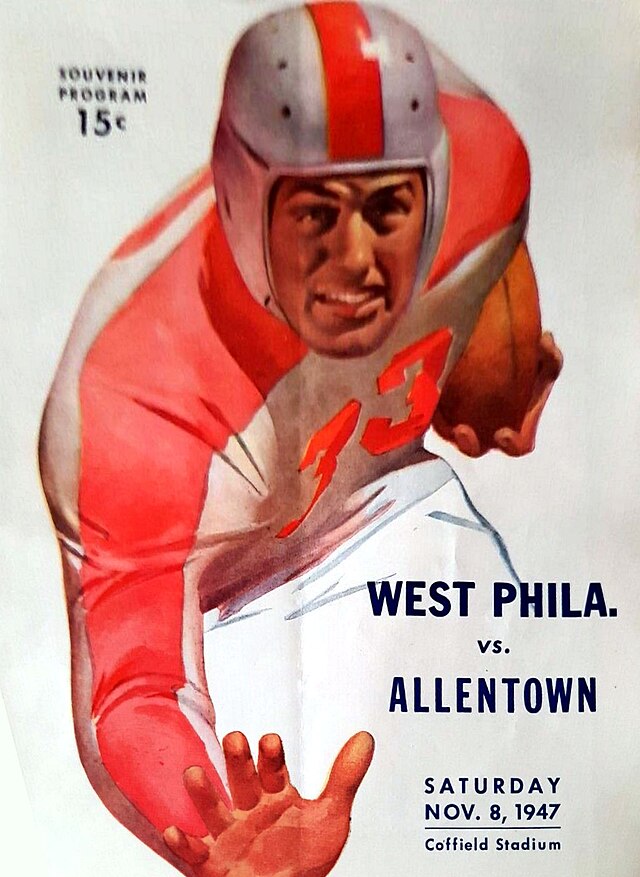
Lots to cover today, as March 17 may have more College and Pr Football Hall of Fame players born than any other. But first, take a moment to behold this masterpiece of gridiron art.
March 17 Football Hall of Fame Birthdays
Happy St. Patrick’s Day! It seems March 17 is a powerhouse date for gridiron legends, ranging from the “Kangaroo Kicker” to the man who revolutionized the forward pass.
Here are your March 17 birthdays, in order of birth:
- John Outland (1871) A rare two-way star who earned All-America honors at two different positions—tackle in 1897 and back in 1898—Outland was a fierce advocate for linemen. His legacy lives on today through the prestigious Outland Trophy, awarded annually to the nation’s best interior lineman.
- Pat O’Dea (1872) – Known as the “Kangaroo Kicker,” this Australian-born Wisconsin star brought Australian Rules kicking techniques to the American game. He famously drop-kicked a 62-yard field goal in a blizzard and once recorded a 110-yard punt against Minnesota.
- Bill Morley (1876) – The engine behind Columbia’s first-ever victory over Yale, Morley was a punishing runner and blocker who earned back-to-back All-America honors in 1900 and 1901. He later became the first former player to serve as the head coach for the Lions.
- Joe Donchess (1905) – After leaving school in the fifth grade to work in a steel mill, Donchess returned to education and became a consensus All-American end at Pitt. He was a vital part of the undefeated 1929 Panthers team that is often cited as one of the greatest in Eastern football history.
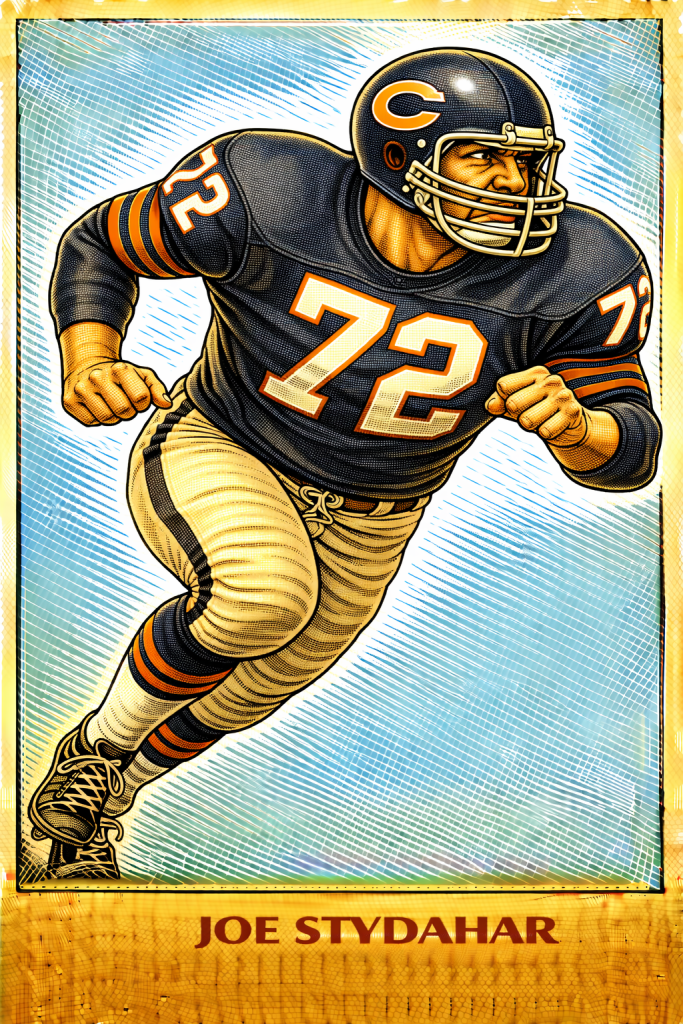
- Joe Stydahar (1912) A massive, iron-man tackle from West Virginia, “Jumbo Joe” was the first-ever draft pick of the Chicago Bears in 1936. A Hall of Famer in both the college and pro ranks, he was famous for playing without a helmet and rarely leaving the field.
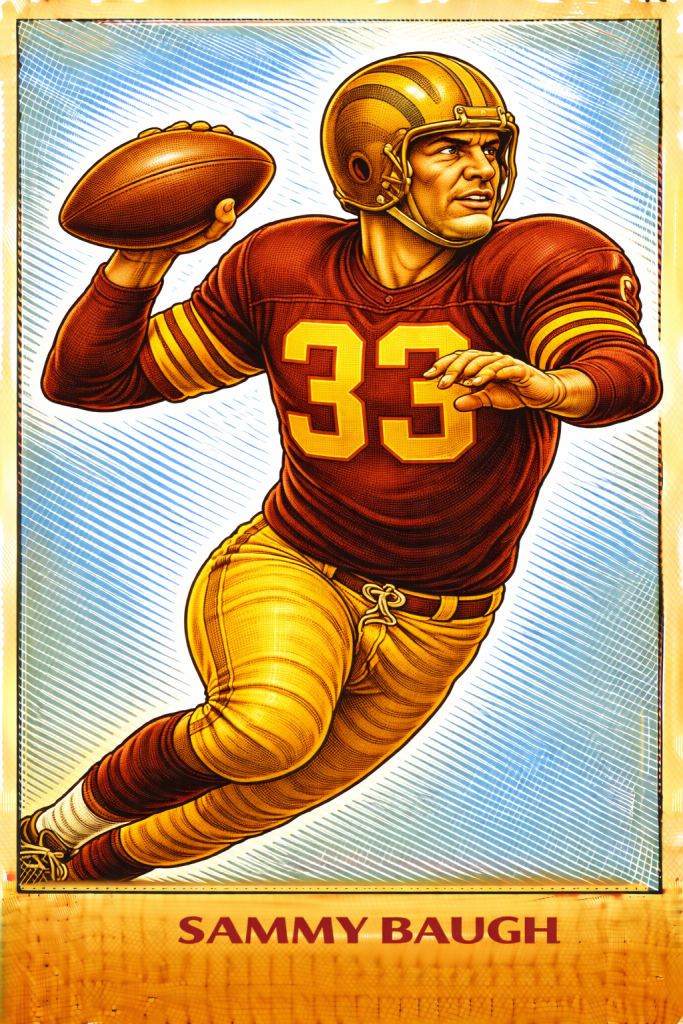
- Sammy Baugh (1914) “Slingin’ Sammy” changed the game forever at TCU and with the Washington Redskins, proving the forward pass could be a primary weapon. Remarkably versatile, he once led the NFL in passing, punting, and interceptions all in the same season (1943).
- Bill Hartman (1915) A standout fullback and captain for the Georgia Bulldogs, Hartman was a true triple-threat who excelled at running, punting, and returning. He famously boomed an 82-yard punt against Tulane and recorded a 93-yard kick return against Georgia Tech.
- Bob Suffridge (1916) Widely considered one of the greatest guards to ever play, the Tennessee Volunteer was a three-time All-American known for his lightning-fast snap anticipation. He was later named to the Football Writers Association “All-America Team of the Century.”
- Ray Beck (1931) A dominant guard at Georgia Tech, Beck anchored the line during the Yellow Jackets’ incredible 30-game winning streak in the early 1950s. He helped lead his team to a perfect season and an Orange Bowl victory in 1951 before joining the New York Giants.
- Johnny Bailey (1967) One of the most prolific players in Division II history, the Texas A&I back was a four-time All-American who topped 200 yards rushing 13 times. He finished his college career with nearly 8,000 all-purpose yards before a successful six-year NFL career as a return specialist.
Conclusion
From the early days of two-way ironmen like John Outland to the specialized dominance of modern-era backs, March 17th remains a cornerstone date in football excellence. These athletes didn’t just play for wins; they changed the very mechanics of the game—whether through the air, on special teams, or in the grit of the offensive line. As we look back on these Hall of Fame careers, it’s clear that the spirit of innovation and toughness defined by men like Sammy Baugh and Joe Stydahar continues to inspire every generation that puts on the pads today.
