
 By Darin
 From high-stakes gambling scandals to legendary 11-touchdown performances, March 16th is a cornerstone date in the football calendar. It marks the day the NFL welcomed back icons Paul Hornung and Alex Karras from suspension, signaling a pivotal moment in league discipline. But the history goes deeper—back to 1890, when a freshman phenom named Philip King redefined dominance —and extends to the births of Hall of Fame titans like Ozzie Newsome and Joe DeLamielleure. Step inside a day where the “Electric Company” met the “Wizard of Oz,” and the gridiron’s greatest stories were written.
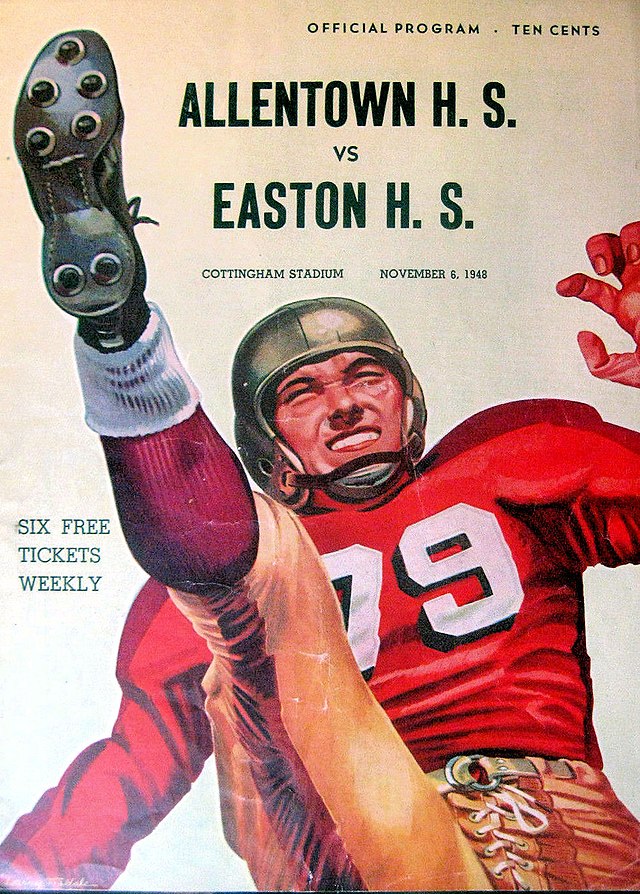
Our image of the day takes us back to some brilliant watercolor images of Pennsylvania High School football game programs. I appreciate the art and the kind collector on Wikimedia who shared these in the Public Domain. Enjoy the nostalgic image!
March 16 American Football History Timeline
- On March 16, 1964, Paul Hornung & Alex Karras were reinstated in the NFL after a 1-year suspension for betting on NFL games. An ESPN Classic website article says that three years earlier, in 1961, Hornung set an NFL record with 176 points in 1960 and was the league’s MVP. The Nola.com website claims that Hornung placed bets of up to $500 during the seasons of 1959 through 1961, though the player claimed that he only wagered about $100 once or twice with some friends. Karras, on the other hand, was an All-Pro defensive tackle for three straight seasons and was accused by the NFL Commissioner Pete Rozelle of making at least six bets of $50 or $100 each. Karras was not a happy camper about the accusation or the suspension. Both players returned to their teams for the 1965 season.
March 16 Football Hall of Fame Birthdays
Happy Birthday to these legendary gridiron figures! Here is the list for March 16, ordered by their year of birth:
- Phillip King (1872) A rare four-time All-American at Princeton, King was a dominant quarterback and captain who scored 50 touchdowns during his collegiate career. He later became a highly successful coach, leading the University of Wisconsin to a 65-11-1 record across two stints in the late 19th and early 20th centuries.
- Buster Ramsey (1942) A decorated two-way guard and linebacker, Ramsey was the first All-American in William & Mary history and the anchor of their 1942 Southern Conference championship team. He was a cornerstone of a squad that famously knocked off Oklahoma and tied Harvard, earning him a spot in the College Football Hall of Fame.
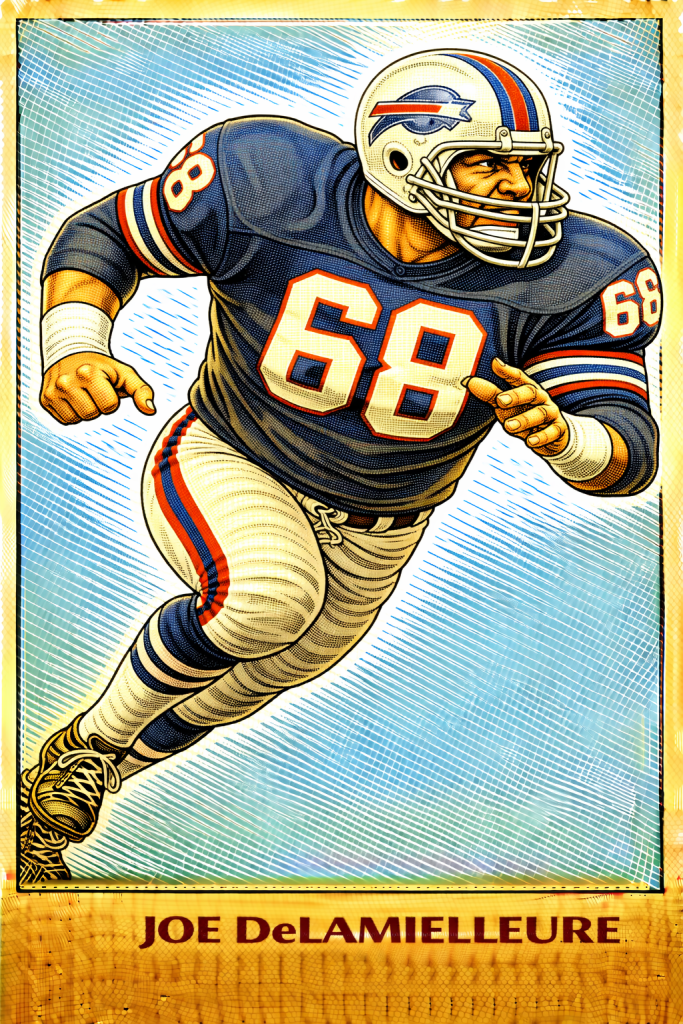
- Joe DeLamielleure (1951) A stalwart guard out of Michigan State, “Joe D” became a foundational member of the Buffalo Bills’ “Electric Company” offensive line that paved the way for O.J. Simpson‘s historic rushing titles. His career of consistent dominance was honored with an induction into the Pro Football Hall of Fame in 2003.
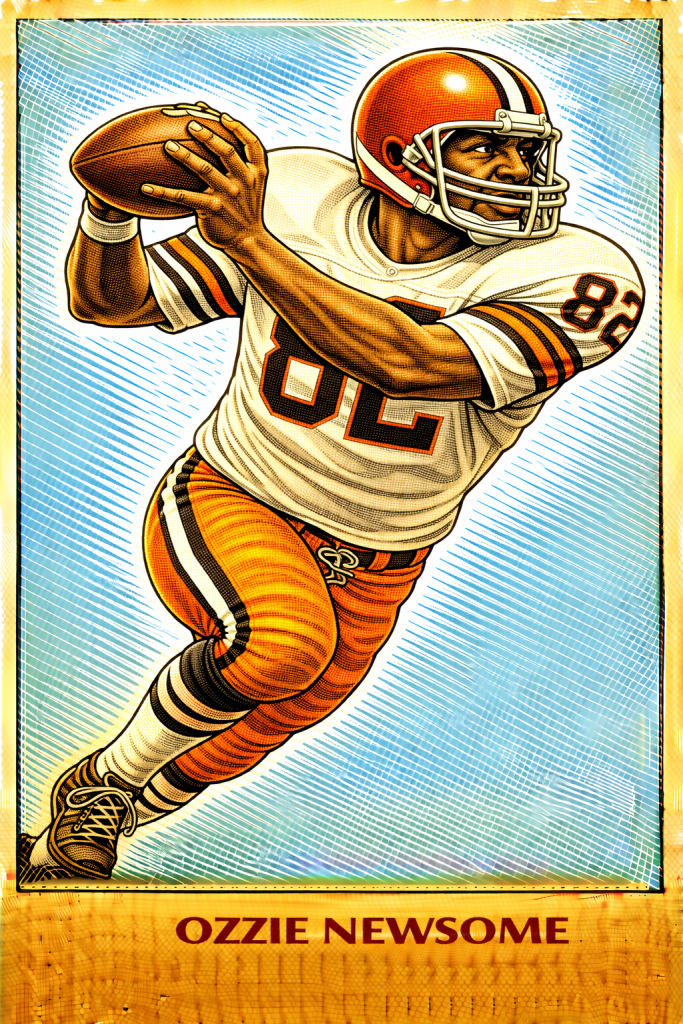
- Ozzie Newsome (1956) Hailed by Bear Bryant as the greatest end in Alabama history, Newsome was a prolific receiver and devastating blocker who averaged over 20 yards per catch for the Tide. He transitioned into a Hall of Fame tight end for the Cleveland Browns, retiring as the NFL’s all-time leading receiver at his position.
- Chris Zorich (1969) A powerhouse nose tackle for Notre Dame, Zorich was the emotional and physical heart of the Irish’s 1988 National Championship defense. The Lombardi Award winner and three-time All-American was known for his incredible strength and relentless motor, later playing several productive seasons for his hometown Chicago Bears.
Conclusion
Whether it was the redemption of 1960s stars or the record-breaking collegiate careers of legends like Chris Zorich and Buster Ramsey, March 16th showcases the full spectrum of the football experience. These stories of resilience, raw talent, and coaching brilliance remind us that the game is shaped as much by its challenges as its triumphs. As we look back on these Hall of Fame legacies, from the trenches of Buffalo to the sidelines of Tuscaloosa, the impact of these icons remains a permanent part of football’s enduring DNA.
