
 By Darin
 While many days hold significance in football, January 3rd often feels like a concentrated burst of pigskin history, marking pivotal moments from the birth of the modern NFL playoffs to the stunning drama of college football’s biggest stage. It was on this date in 1971 that the sport truly unified, hosting the first-ever AFC Championship (Colts beating the Raiders) and the first NFC Championship (Cowboys topping the 49ers) following the landmark AFL-NFL merger and realignment. This single day has delivered everything: from the breathtaking athleticism of Tony Dorsett’s record-setting 99-yard touchdown run in 1983 to the scheduling revolution that made the 1987 Fiesta Bowl, featuring Penn State and Miami, the highest-rated college football game in history. But perhaps the most enduring legacy of January 3rd is “The Comeback,” the 1993 AFC Wild Card game where Frank Reich and the Buffalo Bills overcame an impossible 32-point deficit against the Houston Oilers—a record that still stands as the greatest turnaround in NFL history.
January 3 Football History Timeline
- January 3, 1971 – Baltimore’s Memorial Stadium – The first ever played AFC Championship game took place. Before we dive into this game, let’s talk a little bit about the 1970 NFL realignment. This is the first season in which the AFL and the NFL truly merged into one league, rather than having separate regular seasons and then facing off in the playoffs. This merging and reagning was not an easy process as the AFL brought 10 teams into the fray while the NFL had 16 franchises. In essence, three NFL teams had to join the AFL clubs in order to create balance in the new NFL. Finally, a decision was made to transfer the Steelers, Colts, and Browns and mix them with the AFL clubs to form the American Football Conference of the NFL. One of these old NFL squads, the Baltimore Colts, survived the rigors of the new conference to battle the old guard of the AFL, the Oakland Raiders, for the right to play in Super Bowl V. The Pro-Football-Reference shares via the boxscore that the favored Colts jumped out early and hung on to defeat Oakland 27-17. Colts runner Norm Bulaich scored twice, and a Unitas to Ray Perkins TD pass sealed the deal in the fourth to place the Colts in the Big Game!
- On January 3, 1971, the first NFC Championship game took place at San Francisco’s Kezar Stadium. As we just discussed a second ago, the 13 teams of the National Football Conference of the NFL had all been in the NFL in the years prior to the merger. The folks at Pro-Football-Reference.com tell us that the Niners were entertaining the Cowboys in the contest to see who would face Baltimore in the Super Bowl. At halftime, the game was knotted at 3, but coming out of the locker room, it appeared Dallas had made the better adjustments, scoring two 3rd-quarter TDs and holding on to beat San Francisco 17-10 and advance.
- January 3, 1983 – Generally, when the offense runs a play with only ten players on the field from their own one-yard line, it will end up in a disaster. That was not the case when the Cowboys played the Vikings on a cold January day in 1983, according to ESPN.com. When Dallas had a Heisman-winning running back named Tony Dorsett, they had no worries. The Pitt product used his talents to set an NFL record with a 99-yard scamper in the Cowboys’ 31-27 loss to the Minnesota Vikings.
- January 3, 1987 – Fiesta Bowl – This Penn State/Miami game changed the way Bowl games were scheduled. A bidding war started at the time; both Penn State and Miami were independents with no conference affiliation. The LA Times archived story from the day tells the tale well. The Bowls were waging war against each other, trying to secure the right to host these two top teams. The Fiesta Bowl won out and then became a high-profile bowl. The 1987 Fiesta Bowl became the highest-rated championship game in history, with a 24.9 Nielsen rating as more than 70 million viewers watched it on their home sets. No college football game has gotten that kind of rating, before or since. The game was pretty good too, but the difference was that the Nittany Lions’ defense thwarted much of the Hurricane offense, intercepting Heisman Trophy winner Vinny Testaverde five times, including one with 18 seconds left near the end zone. Penn State hangs on tight with the 14-10 victory.
- January 3, 1987 – The Cleveland Browns overcame a tough NY Jets team in double overtime in an AFC Playoff game to advance.
- January 3, 1993, I remember watching the first half of this match-up as the Houston Oilers dominated their wild-card weekend game against the Buffalo Bills. I mean, it was an utter drubbing, and unless you were an avid Oilers fan, it was an extremely uninteresting watch, the blood bath. The score was 28-3 at the half, and it felt even worse than that. The Oiler scored on a pick-six coming out of the break to make the score 35-3. The complexion of the game changed at that point in the third quarter, as the Bills, led by backup QB Frank Reich, scored four TDs to get back into the game. Reich led the Buffalo Bills all the way back from a 32-point deficit to defeat the Houston Oilers 41-38 in overtime in a wild-card playoff game, the greatest comeback ever in NFL history. (source)
- January 3, 1994 – Candlestick Park, San Francisco – The Philadelphia Eagles and the San Francisco 49ers finished the season by going into Overtime. The Eagles Quarterback Bubby Brister completed 26 of 43 of his passes for 350 yards and three touchdowns. Steve Young, the southpaw signal caller of the San Francisco 49ers, was used sparingly as the team prepared for the playoffs in this meaningless game. Per the Pro-Football-Reference website, Young completed 15 of 19 passes for 165 yards and 2 TDs, becoming the first quarterback to win 3 straight NFL passing titles and the first to post 3 consecutive seasons with a passer rating of 100 or more. The Niners, with Steve Bono in relief, suffered the OT loss to the Philadelphia Eagles 37-34.
- January 3, 1999 – The “Catch II” occurred as the San Francisco 49ers defeated the Green Bay Packers in an NFC Wildcard Playoff game on a catch by Terrell Owens.
- January 3, 2001 – Pro Player Stadium, Miami Gardens – College Football’s 3rd BCS National Championship pitted the #1-ranked Oklahoma Sooners against the #2-ranked Florida State Seminoles, per the American Football Database. This was a defensive lovers’ game! The Sooners kicked a field goal early in the game and held onto that 3-0 lead for most of the game until the third quarter when they booted through another 3-pointer. Finally, in the fourth, Quentin Griffin scored on a 10-yard run to give Oklahoma a bit of a cushion to pad the lead. The Noles’ only scoring came on a final stanza safety. The Sooners won the BCS Trophy with great defense, 13-2, at the Orange Bowl.
- January 3, 2002 – Rose Bowl, Pasadena – At the fourth BCS National Championship, the #1 Miami Hurricanes, led by back Clinton Portis and quarterback Ken Dorsey, faced a stiff challenge from the second-ranked Nebraska Cornhuskers and their outstanding signal caller Eric Crouch. The ‘Canes used a combination of offensive and defensive flurry of scoring in the first half of 34 unanswered points to cruise to a 37-14 National Championship victory at the 88th Rose Bowl per ESPN.com.
- January 3, 2003 – Sun Devil Stadium, Tempe, Arizona – The University of Miami made another appearance a year later at the 5th BCS National Championship. The Hurricanes were still atop the college football world, and this year they faced a stiff challenge for the title from the number 2-ranked Ohio State Buckeyes at the Tostitos Fiesta Bowl. The FiestaBowl.org website provides details on what many claim may be one of the top games in NCAA football history. Miami came into the game with a 34-game unbeaten streak in hand as they defended their title. The Canes roster included stars like QB Ken Dorsey. Willis McGahee, Kellen Winslow Jr., Sean Taylor, Antrel Rolle, and Jonathan Vilma. The Buckeyes countered with sensational back Mauric Clarett, Craig Krenzel, Chris Gamble, Will Allen, AJ Hawk, and Michael Doss. These rosters were stacked with stars! The difference of the game was a critical goal-line stand in the second quarter when the Buckeyes’ defense held after Miami had the ball first and goal at the OSU two! Clarett and Krenzel each ran in a couple of touchdowns, and Ohio State’s defense held the powerful Miami offense in check just enough for the Buckeyes to unseat Miami, 31-24, in a thriller.
- January 3, 2004 – Charlotte, North Carolina – The setting was the NFC Wild Card weekend,d as the home crowd was out to support the Carolina Panthers against the visiting Dallas Cowboys, per Pro-Football-Reference. The Panthers jumped out to a 13-0 lead early and never looked back. Panthers kicker John Kasay tied an NFL-playoff record with 5 field goals to lead Carolina to a 29-10 win over the Dallas Cowboys to advance in the playoff tournament.
- January 3, 2007 – We all know that Nick Saban is the face of modern University of Alabama football as he churns out a top-notch team to compete for national titles on an almost yearly basis. Do we remember, though, that he left another great College program at LSU to go into the NFL as a head man? Well, he did, a year after winning the BCS Title in 2003 with the Tigers, Saban was hired by the Miami Dolphins to guide their team, according to an APNews.com story. The Saban-led Miami teams finished with a 9-7 record in 2005, and then the Fins registered a 6-10 record in 2006. Many experts speculate that Saban was upset not only about the losing season he had just suffered through, but also the fact that in early 2006, he could not win a recruiting war for the signing of Quarterback Drew Brees with the New Orleans Saints. He was used to signing top college prospects, but landing players in the NFL might not have been his cup of tea. It was on January 3, 2007, that the high-profile head coach, Nick Saban, resigned from the franchise to return to college football and take the head coaching job at Alabama.
January 3 Football Hall of Fame Birthdays
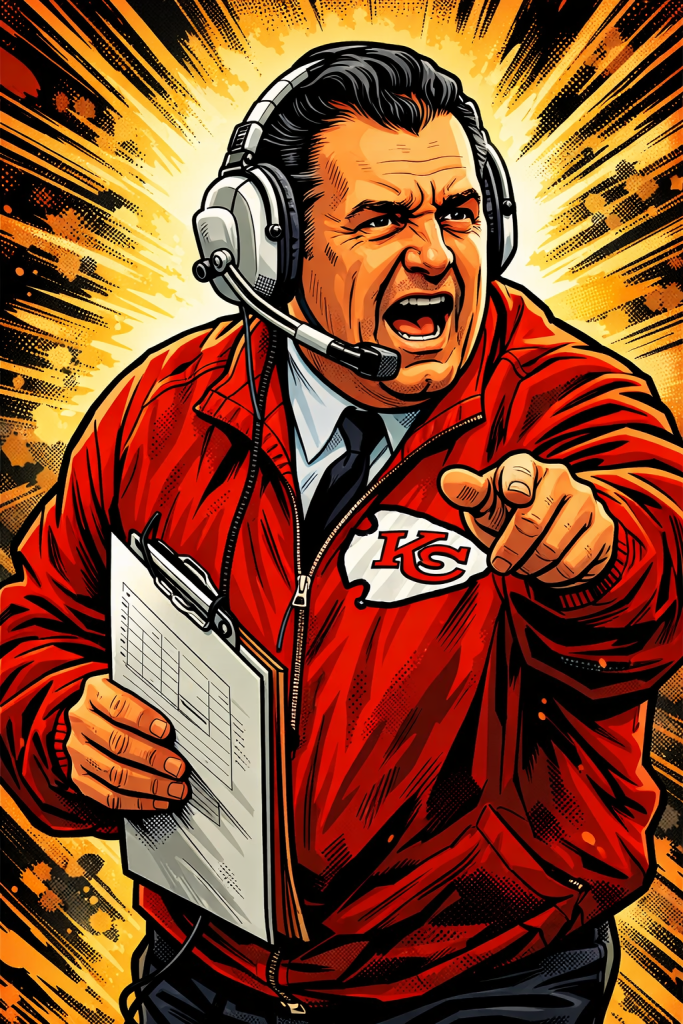
- Hank Stram
Conclusion
From legendary players to coaching titans, the impact of January 3rd reverberates through the decades. Not only was it the birthdate of Hall of Fame innovator Hank Stram, who pioneered offensive strategies like the moving pocket, but it also became the decisive date for seismic career shifts. In 2007, it marked Nick Saban’s dramatic resignation from the Miami Dolphins, paving the way for his eventual, dominant tenure at the University of Alabama. Furthermore, the 2000s saw this date establish itself as the championship battleground, hosting three consecutive BCS National Championship thrillers, including Oklahoma’s defensive masterclass in 2001, Miami’s dominant 2002 Rose Bowl win, and the instant classic 2003 Fiesta Bowl where Ohio State dethroned the Hurricanes. January 3rd is, without question, one of the most historically rich days on the football calendar, consistently delivering records, shocks, and moments that defined the league and the college game.
