
 By Darin
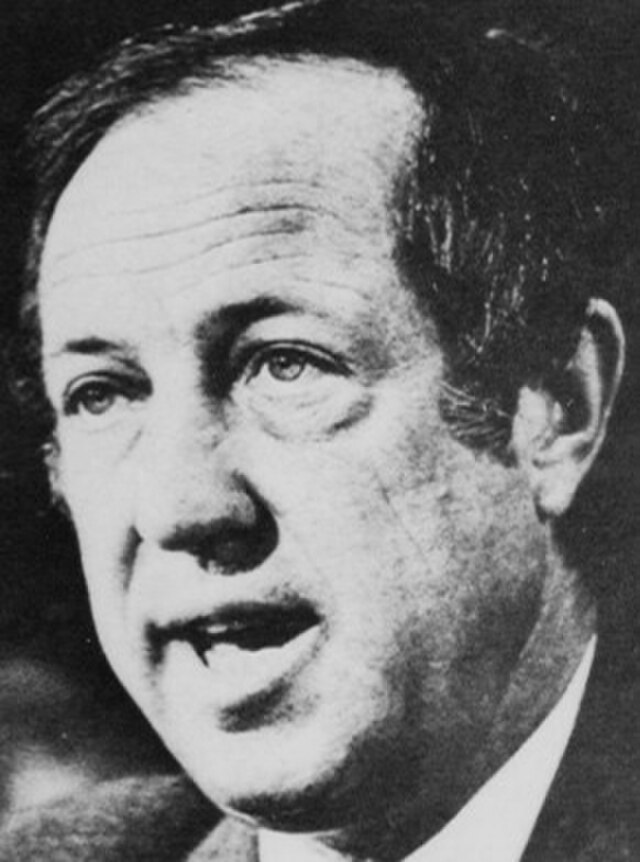
 “Mr. Foss’s (Joe Foss, AFL Commissioner) statement is extremely difficult to comprehend. While he states that Dallas is a one-team market, it might be pointed out that New York and Los Angeles were NFL cities until they joined by AFL clubs for next season. We welcome competition and earnestly hope that it will bring about a more highly skilled and entertaining brand of professional football for the fans’ enjoyment.” ~ NFL Commissioner Pete Rozelle, January 28, 1960.
The Baltimore Sun
Fri, Jan 29, 1960 ·Page 22
The Battle for Big D: The 1960 Pro Football War
By 1959, Dallas was a football hotbed without a professional home. The city’s obsession with the sport set the stage for one of the most aggressive territorial wars in American sports history, pitting an established monopoly against a visionary upstart.
The Spark: Lamar Hunt’s Vision
Lamar Hunt, the 26-year-old son of oil tycoon H.L. Hunt, wanted an NFL team. When the league repeatedly rebuffed his efforts to buy or move a franchise to Dallas, Hunt didn’t give up—he innovated. In 1959, he organized a group of fellow rejected owners (the “Foolish Club”) to form the American Football League (AFL).
The centerpiece of his new league was the Dallas Texans. Hunt hired future Hall of Famer Hank Stram as coach and signed stars like running back Abner Haynes.
The Counter-Strike: The NFL Expands
The NFL, realizing it had left a lucrative market open to a competitor, moved with uncharacteristic speed to block the AFL. Despite having no players, no coach, and no name, the NFL announced in late 1959 that it was awarding an expansion franchise to Dallas to begin play in 1960.
This team, led by owners Clint Murchison Jr. and Bedford Wynne, eventually became the Dallas Cowboys. They hired Tom Landry as their head coach and Tex Schramm as general manager, effectively launching a “New York Giants of the South.”
The 1960 Season: A War of Attrition
Both teams kicked off their inaugural seasons in 1960, sharing the Cotton Bowl as their home stadium. The competition was brutal and documented by verified historical metrics:
- On-Field Performance: The upstart Texans were far superior early on. They finished their first season 8-6. The Cowboys, composed of expansion draft cast-offs, went winless at 0-11-1.
- The Attendance Battle: Dallas fans were torn. While the Texans were winning, the “NFL” brand carried prestige. Both teams struggled to fill the 75,000-seat Cotton Bowl, often playing to crowds of fewer than 20,000.
- The Spending Spree: Because both owners were backed by immense oil wealth, they got into a bidding war for talent and marketing. They would often schedule games on the same day to force fans to choose.
The Breaking Point
By 1962, the Texans were the class of the AFL, winning the league championship in a double-overtime thriller. However, despite their winning record, Lamar Hunt realized that the Dallas market was being split too thin. Even though his Texans were more successful than the Cowboys (who were still struggling to find their footing under Landry), the NFL’s deep pockets and established media deals made the Cowboys a permanent fixture.
The Resolution
In 1963, realizing that “only one would survive” in the Dallas market without both owners losing millions, Lamar Hunt made the difficult decision to move his championship team. The Dallas Texans relocated to Missouri to become the Kansas City Chiefs.
The Cowboys were left as the sole professional team in Dallas. The move proved prophetic; freed from local competition, the Cowboys grew into “America’s Team,” while the Chiefs became a foundational pillar of the AFL-NFL merger. The war for Dallas ended not with a collapse, but with the birth of two of the most valuable franchises in sports history.
