
 By Darin
 From the hardwood of the 19th century to the high-stakes drama of the modern NFL, January 27 stands as a titan on the sports calendar. Journey with us through time: from Amos Alonzo Stagg introducing basketball to the University of Chicago, to Chuck Noll launching a dynasty in Pittsburgh decades later, and to Scott Norwood’s infamous “Wide Right” in recent history. Whether you are a fan of the “Greatest Show on Turf” or interested in Fritz Pollard’s trailblazing legacy, join us as we trace the most iconic anniversaries in football and basketball history on this date.
Football History Timeline of January 27
- January 27, 1894 – The first college basketball game, the University of Chicago beats the Chicago YMCA 19-11. Basketball was invented in December 1891 by James Naismith at the YMCA’s School for Christian Workers (now Springfield College) in Springfield, Massachusetts. According to the Chicago History Collegiate, basketball also came to Chicago from Springfield College in the person of Amos Alonzo Stagg, the University of Chicago’s new faculty coach, who had played on the Springfield teachers’ team in the first public basketball contest. According to Jennifer Taylor Hall’s book Amos Alonzo Stagg: Football’s Man in Motion, Stagg began his coaching career the next year at the Springfield, Massachusetts, YMCA, now Springfield College. Stagg organized the school’s first football team, and among his players was James Naismith, the inventor of basketball. The two men used basketball, with five men per side, as an exercise regimen to keep their eleven football players in tip-top shape. Stagg enjoyed the game so much that, when Naismith developed it, he took it with him when he moved on to the University of Chicago.
- January 27, 1924 – The Kansas City Blues, later known as the Kansas City Cowboys, were formed. According to a post on sportsecyclopedia.com, the NFL, in just its fifth season, was looking to expand west of the Mississippi, and the first most logical place geographically was Kansas City. They adopted the name Blues in honor of the local minor league baseball team and played their home games at Muehlebach Field. The Blues’ first game would come on October 5th, a 3-0 loss to the Milwaukee Badgers. In 1925, they were called the Cowboys, and they played the entire season on the road. The biggest game of 1925 was a 17-0 road upset of the Cleveland Bulldogs. There would not be another season in Kansas City after 1926 as the cost of traveling to and from Kansas City was too cost prohibitive in the NFL’s fledgling formative years. The Cowboys’ final game would come on December 12, 1926, with a 12-7 win over the Duluth Eskimos at Muehlebach Field.
- January 27, 1955 – The top pick in the 1955 NFL Draft was George Shaw from the University of Oregon, who was the first pick by the Baltimore Colts. Remarkably, there was only one player from this entire draft who made it into the Pro Football Hall of Fame thus far, and that was 9th-round pick, the 102nd overall, the quarterback from the University of Louisville named Johnny Unitas, by the Pittsburgh Steelers. The Steelers, not realizing the great talent they had landed, promptly cut him before training camp was over, per the Pro Football Reference.
- January 27, 1956 – The NFL’s New York Football Giants franchise ended having their home games played at the Polo Grounds and now called Yankee Stadium their home field, per Larry Scmitt of the Big Blue Interactive. The story goes that Commissioner Bert Bell notified Giants owner Tim Mara that an offer from a Texas-based oil company to pay $1 million for the team, on the condition that they play at a larger venue like Yankee Stadium. Mara declined the offer but figured it to be a pretty good idea to get more butts in the stands with a larger seating capacity, so he did!
- January 27, 1960 – The AFL adopts its first 14-game home-and-away schedule.
Super Bowl Era
- January 27, 1967 – The New Orleans Saints signed their 1st player, kicker Paige Cothren, per the canalstreetchronicles.com. Cothren was a former Ole Miss fullback who played in the NFL for the LA Rams and the Philadelphia Eagles before joining the Saints.
- January 27, 1969 – Chuck Noll is named head coach of the Pittsburgh Steelers per the SlicetheLife.com website article. Noll was the youngest coach in NFL history at 37. Chuck Noll had been the defensive coordinator and, once, the DB coach of the Baltimore Colts under Don Shula, who highly recommended Noll. Noll spent 23 seasons on the sidelines of the Steelers until he stepped away in 1992. Under Chuck Noll, the Steelers won 4 Super Bowl Championships in 6 seasons during the 1970’s.
- January 27, 1970 – In the 1970 NFL Draft, the Pittsburgh Steelers chose future Hall of Famer Terry Bradshaw from Louisiana Tech with the first pick of the entire draft. Bradshaw would be the signal caller who won those 4 Super Bowls for Chuck Noll that we just talked about, and Terry was the MVP of 2 of them!
- January 27, 1980 – Aloha Stadium, Honolulu – At the NFL Pro Bowl the NFC team defeated the AFC, 37-27. The game’s MVP was New Orleans Saints running back Chuck Muncie.
- January 27, 1985 – Aloha Stadium, Honolulu – Then came the NFL Pro Bowl for the 1984 season, and this time the AFC knocked off the NFC, 22-14. Mark Gastineau, the animated defensive end of the New York Jets, won the Most Valuable Player Award. (source)
- January 27, 1991 – Tampa Stadium, Tampa, Florida – Super Bowl XXV was one of the most memorable Super Bowls of all time. People still talk about it to this day. The statement that takes an avid NFL fan to the game is “Wide Right.” You see, the New York Giants defeated the Buffalo Bills 20-19, but it almost had a very different outcome. With just 4 seconds remaining, Jim Kelly orchestrated an impressive desperation drive that set up a 47-yard field goal attempt by the Bills’ very accurate kicker Scott Norwood. As you have already heard, the ball went slightly outside of the upright to the right. The Giants win was preserved, and torture set in for the Bills. The Washington Postcalls the game the closest and most even ever played. The game’s MVP was Giants running back Ottis Anderson who ran for 102 yards and a score.
- January 27, 2002 – Heinz Field, Pittsburgh – In the 2001 season’s AFC Championship, the New England Patriots outlasted the Pittsburgh Steelers, 24-17. The Pro Football Reference website tells us that the difference maker in the game was Patriot Antwaan Harris’ return of 49 yards of a blocked field goal attempt! The New England victory placed them in Super Bowl XXXVI.
- On January 27, 2002, the NFC Championship for that season was played at the Edward Jones Dome in St. Louis to determine who would face Tom Brady and the Patriots in Super Bowl XXXVI. The Greatest Team on Turf, the St. Louis Rams, scored in every quarter to help them get past the Philadelphia Eagles, 29-24. Ram Marshall Faulk shouldered the load as he rushed 31 times for 159 yards and 2 TDs to lead St. Louis to the win, per the PFR.
- January 27, 2013 – Aloha Stadium, Honolulu – The results of the 2012 season’s NFL Pro Bowl were that the NFC smoked the AFC, 62-35, with Tight end Kyle Rudolph of the Minnesota Vikings earning the MVP honors per the OnthisDay.com website.
- January 27, 2019 – Camping World Stadium, Orlando, Florida – Newcomers Patrick Mahomes of the Kansas City Chiefs and safety Jamal Adams of the New York Jets claimed co-MVP honors as the AFC surged past the NFC 26-7 in the 2018 NFL Pro Bowl, per the OnthisDay.com website.
January 27 Football Hall of Fame Birthdays
- Fritz Pollard
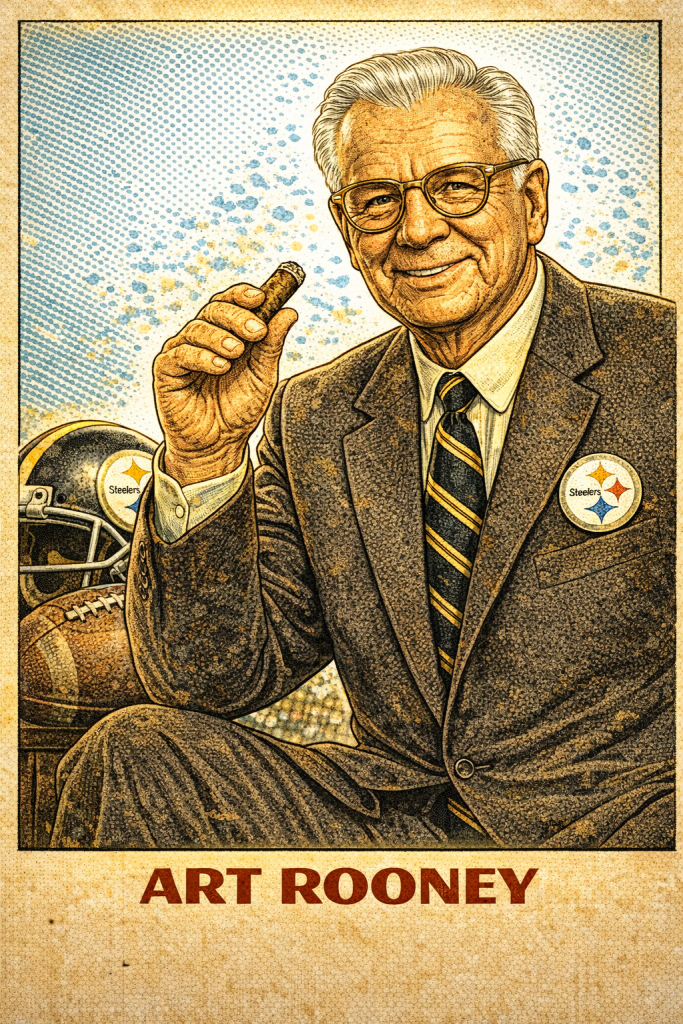
- Art Rooney Sr.
- Peter Pund
- Frankie Albert
- Billy Johnson
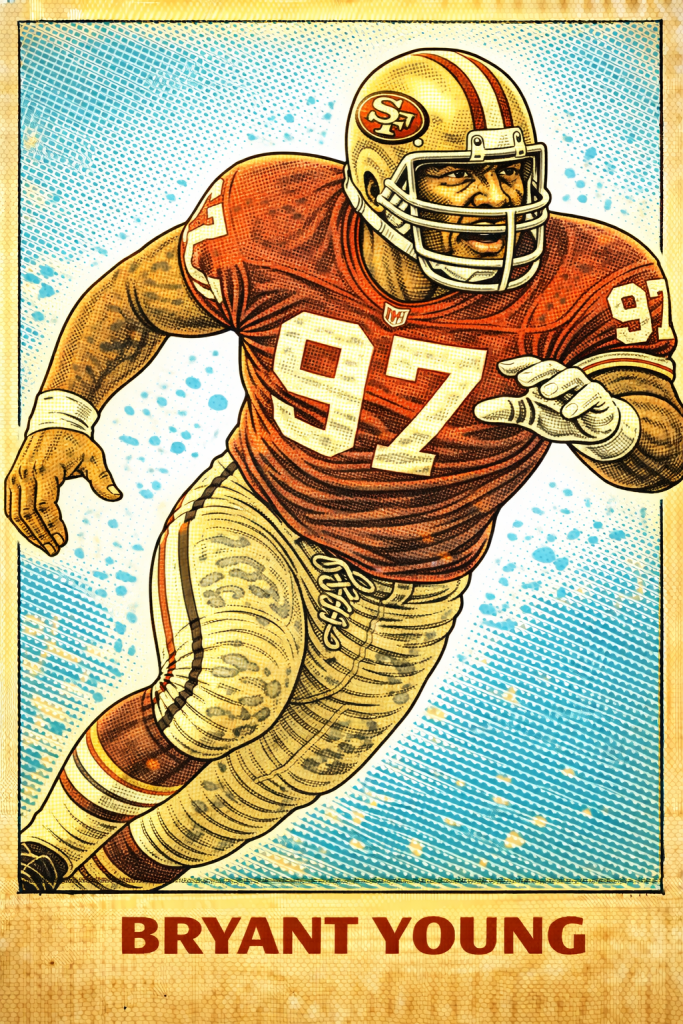
- Bryant Young
Conclusion
From the birth of legends like Art Rooney and Fritz Pollard to the championship-defining moments of the 21st century, January 27 serves as a microcosm of sports history itself. It reminds us that the games we love are built on the foundations of innovators like James Naismith and the resilience of athletes who danced in white shoes or led desperation drives under the bright lights of the Super Bowl. As we look back on these scores, drafts, and birthdays, we see more than just statistics—we see the enduring spirit of competition that continues to evolve every single year.
