
 By Darin
 How does a powerhouse fullback become one of the greatest centers in college football history? For Herb Stein, the transition was as seamless as a perfectly executed snap. Stepping into the shoes of an All-American legend, Stein didn’t just fill a void—he redefined the position with a brand of violence and efficiency that mirrored the industrial heart of Pittsburgh. From his “blast furnace” intensity on the line to his consensus All-American honors, Stein was the iron-willed anchor of the “Golden Era” of Pitt football. Discover the story of the man who volunteered for the trenches and emerged as a Hall of Fame icon.
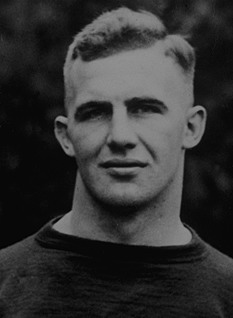
If Herb sounds familiar, it is because parts of his football story appear in two of our books. When Greasy Met the Wonder Coach and Marooned: The Rise, The Fall, and the Redemption of the NFL’s Pottsville Maroons
Football Bio
March 27, 1898 – Warren, Ohio – The prolific University of Pittsburgh interior lineman, Herb Stein, was born. The National Football Foundation website bio says that Pitt fans were beside themselves when, in 1916, they lost their All-American center, Bob Peck, to graduation.
The team was confident, though, when Herb volunteered to switch from his fullback position to fill the void at snapper that Peck had left. Stein hardly needed much adjustment to the changes of a new position. Herb established himself as one of the school’s greatest two-way players, injecting the squad with enthusiasm and prompting one observer to say: “His play was a combination of the blast furnace, the open hearth, and the Bessemer converter.” Those are some highly complimentary remarks from a person from the Steel City! Stein’s play was so good that he became a 1921 All-America selection. Herb Stein was selected for induction into the College Football Hall of Fame in 1967.
Conclusion
Herb Stein’s legacy at the University of Pittsburgh is a testament to the “unselfish superstar.” By moving from the glory of the fullback position to the grueling work of the interior line, he put the team’s needs above his own and, in doing so, achieved immortality. His nickname—referencing the steel-making process—perfectly captured the grit required to dominate the early 20th-century gridiron. Inducted into the College Football Hall of Fame in 1967, Stein remains a cornerstone of the Panthers’ rich football tradition, proving that true legends are forged in the trenches.
Accolades and Football Accomplishments
- College Football Hall of Fame: Inducted in 1967.
- Consensus First-Team All-American: 1921.
- National Champion: Member of Pitt’s undefeated 1916 and 1918 championship teams.
- Versatility Milestone: Successfully transitioned from Fullback to Center to replace All-American Bob Peck.
- Two-Way Dominance: Recognized as one of the premier interior defenders and offensive snappers of his era.
- Pitt Athletics Hall of Fame: Honored as one of the greatest athletes in school history.
- NFL Pioneer: Played professionally for the Toledo Maroons, Pottsville Maroons, and Chicago Cardinals (1922–1928).
- Pottsville Legend: Captained the 1925 Pottsville Maroons, a team central to one of the NFL’s most famous championship controversies.
