How To Start Collecting Football Cards: The Ultimate Beginner’s Guide
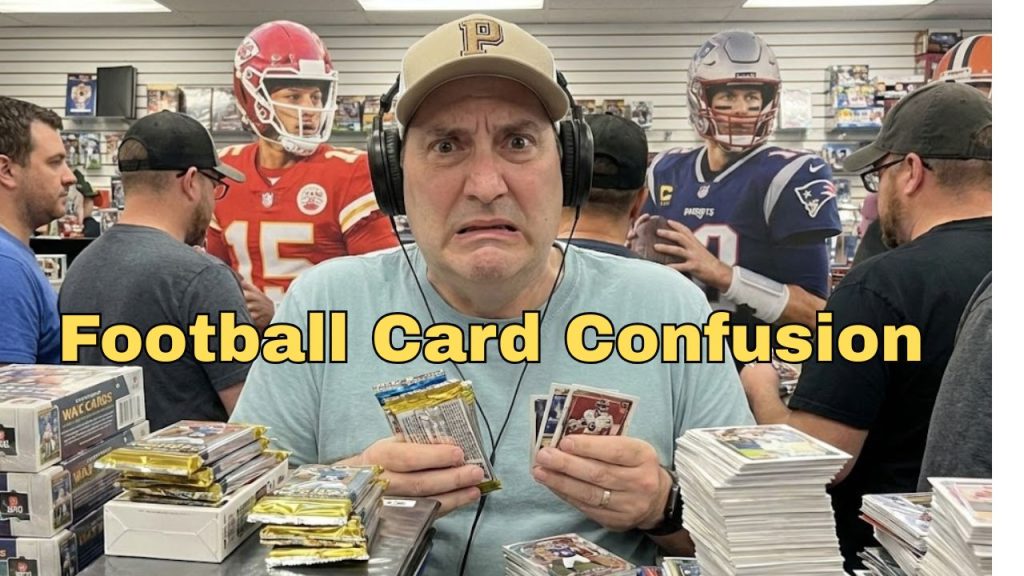
Have you ever wanted to possess a piece of the game? I’m talking about a rookie card of your favorite quarterback or a slice of history from a legend you grew up watching. But then you walk into a card shop, or browse online, and it hits you… Prizm, Optic, Hobby, Retail, Parallels, PSA 10… It’s an entirely different language. If you’ve ever felt totally lost, you are not alone. The world of football cards can feel confusing and intimidating to newcomers. And the biggest fear is always the same: “Am I about to waste my money?”
What if I told you there are simple rules you can follow to start your collection the right way, right now? This is your definitive beginner’s roadmap. Forget the confusion, forget the stress. I’m going to break down, step by step, how to choose your players, understand the most important brands, set a budget that actually works, and spot the key factors that make a card valuable. By the end of this, you’ll have the confidence and the know-how to build a football card collection you’re truly proud of. Let’s get into it.
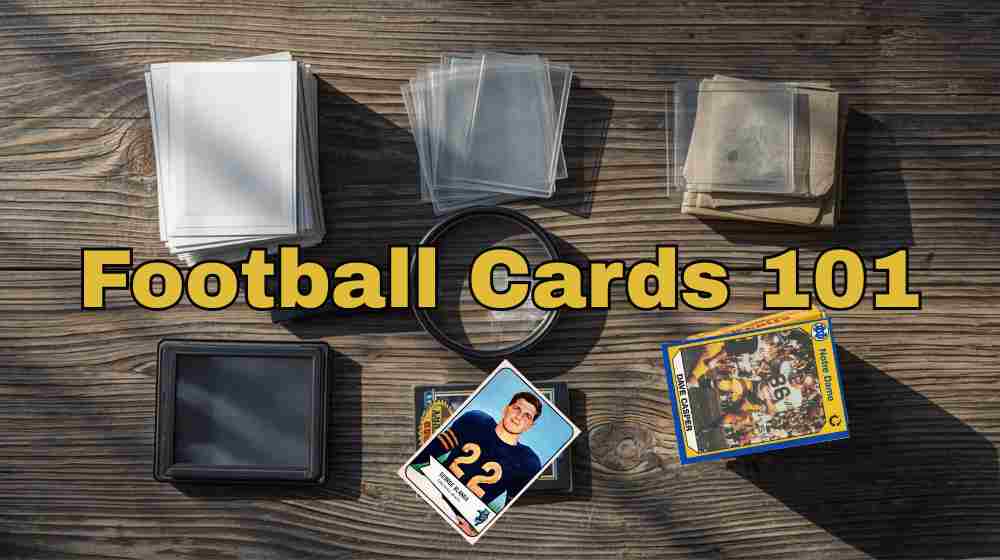
Check out our video on this subject: https://youtu.be/JrloExC00F4
Section 1: Choose Your Collecting Goal – The “Why”
Before you spend a single dollar, the most important thing you can do is answer one simple question: “Why am I collecting?” There are no wrong answers here, but knowing your goal will guide every single decision you make and make the hobby infinitely more rewarding. This is your foundation. Let’s break down the most common approaches.
The Most Important Element to Collecting is to have fun and enjoy your collection!
First, you can be a Player Collector. This is one of the most popular ways to start. You pick one, two, or a handful of your favorite players and try to get as many of their different cards as you can. Are you a massive C.J. Stroud fan? You can make it your mission to collect his key rookie cards. From there, you could hunt for more unique cards, like colored variations known as parallels, or even cards with his autograph. This way, you get to follow a player’s entire career, and as they hit new milestones, your collection becomes a physical record of their journey. It’s a focused, intensely personal way to connect with the game. To illustrate how rewarding this can be, here’s an example: In the past year, the value of rookie cards for emerging stars, like C.J. Stroud, surged by over 50%, not only bringing a windfall to those who invested early but also creating a deeper emotional connection as they witnessed his growth. This intersection of emotional joy and potential financial gain truly embodies the allure of player collecting.
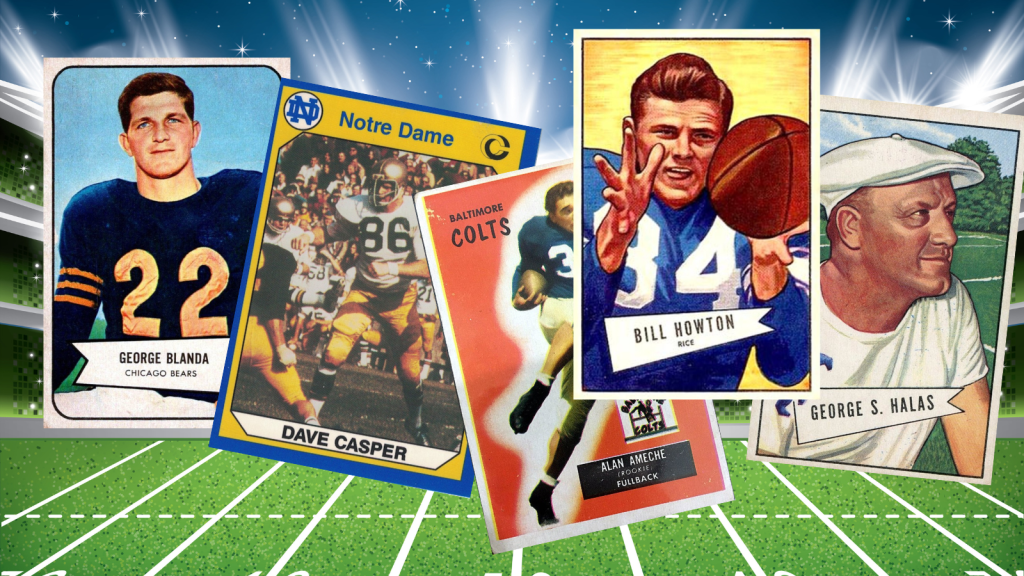
Second, you can be a Team Collector. Does your loyalty belong to a single franchise? Do you bleed your team’s colors? Then this one’s for you. The goal is to build a collection that tells the story of your favorite team. You can collect the team’s biggest stars, their exciting new rookies, and even the overlooked heroes who make the team what it is. This is a great way to feel connected to the entire organization, and it gives you someone to root for and collect every season.
Third, you could be a Set Builder. For those who love a challenge and the rush of the hunt, this is your destiny. A “set” is a specific group of cards from a single product, like the 2025 Topps Chrome base set, which might include hundreds of cards from across the league. A set builder’s goal is to acquire every single card in that set. It’s a marathon, not a sprint, and it takes patience and organization. However, the feeling of sliding that final card into a binder to complete the set is a satisfaction unlike any other in the hobby. Many set builders celebrate this achievement by posting photos of their completed sets online or sharing the moment they check the last box on their checklist. This sense of accomplishment and community can be incredibly rewarding.
Finally, there’s the Investor. This approach treats cards as assets, with the primary goal being financial return. This requires a much deeper level of market research, data analysis, and a preparedness to take on risk. While we’ll touch on what makes a card valuable, I can’t stress this enough for beginners: start by collecting what you love. If you only chase profits from day one, you’ll burn out. But if you collect players and teams you’re passionate about, your collection will always have value to you, no matter what the market does. My advice? Start with a player or team, and let the investing side develop naturally as you learn more. To illustrate the balance of risk and reward, consider the story of an enthusiast who invested in Patrick Mahomes’ rookie cards before his MVP season. As Mahomes’ career soared, so did the value of those cards, offering significant returns. Conversely, another collector bet heavily on a highly touted rookie who fizzled, highlighting the potential downsides. It’s crucial to embrace both caution and optimism as you explore the investing side of collecting.
Section 2: Understanding the Key Brands & Card Types
Okay, so you’ve got your mission. Now you’re in the card aisle and face a wall of different boxes. This is where most beginners get overwhelmed, so let’s make it simple.
The first thing you need to know is that the trading card world just went through a major shake-up. For many years, a company called Panini was the only licensee authorized to use NFL team names and logos on cards. However, starting in 2026, that exclusive license has been transferred to Fanatics, which is bringing back the legendary Topps brand to football. This means that while you’ll still see a lot of Panini products on shelves from past years, the new, officially licensed cards with logos will be from Topps.
Both companies make dozens of different products, but they generally fall into three tiers. Think of it like cars: you have your reliable daily drivers, your popular sports cars, and your high-end supercars.
Collector’s Corner: Understanding Modern Football Trading Cards
For fans looking to possess a piece of gridiron history, the contemporary trading card market delivers a high-stakes means to engage with the game. However, the industry is presently navigating its most major shift in decades.
The Brand Shake-Up: Panini to Fanatics. For many years, Panini held the exclusive license to produce NFL cards featuring official team logos. However, starting in 2026, that exclusive license transitioned to Fanatics, who are reviving the legendary Topps brand for football. While Panini products from previous years remain popular on the secondary market, Topps is now the home for officially licensed, logo-bearing NFL cards.
The Three Tiers of Collecting Modern cards generally fall into three categories:
- Entry-Level (The Daily Drivers): Products like Panini Donruss (or the new Topps equivalent) are the perfect starting point. Known for the iconic “Rated Rookie” subset, these cards use a classic paper stock and are affordable and accessible.
- Mid-Tier (The Sports Cars): This is the “Big Three” of the modern hobby: Prizm, Donruss Optic, and Select. Prizm is the “crown jewel,” famous for its metallic chromium finish and a rainbow of colored “Prizm” parallels. Optic provides a chrome finish to the standard Donruss designs. Select is known for its tiered base set (Concourse, Premier, and Field Level), where certain cards are naturally rarer than others.
- High-End (The Supercars): Brands like National Treasures and Flawless are for serious investors, frequently featuring “on-card” autographs and large “patches” of game-worn jerseys. Boxes of these can cost thousands, even tens of thousands of dollars. They contain the most premium items: on-card autographs, patches from game-worn jerseys, and even embedded gems. As a beginner, you won’t be buying these boxes, but it’s good to know what they are when you see them. This is the absolute peak of the hobby.
Within these sets, you’ll find different card types. You have the base card, the standard player card that makes up most of a set. Then there’s the all-important Rookie Card, marked with an “RC” logo. These are the most sought-after cards for any player. Parallels are versions of the base card in different colors or patterns. Many are serial-numbered, meaning only a limited number exist, which makes them rarer and more valuable. And finally, you have Inserts, which are special subsets with unique designs, and Autograph or Memorabilia cards, which are often the most significant “hits” you can find.
Section 3: Where and What to Buy – Your Budgeting Roadmap
This is where we tackle the biggest worry for every newcomer: the fear of wasting money. Let’s make a brilliant plan for your wallet.
First, you need to understand the two main ways card products are sold: Retail and Hobby.
Retail products are what you find in big-box stores like Target and Walmart. They come in formats like “blaster boxes” (usually $25-$35) or smaller packs. Retail is way cheaper, turning it an easy entry point. However, the odds of finding scarce cards, such as autographs or low-numbered parallels, are much, much lower. Think of it as playing the lottery; it’s a fun, low-cost thrill, but don’t expect to strike gold.
Hobby products are sold at local card shops and online specialty retailers. A hobby box is much more expensive, ranging from a few hundred to thousands of dollars. The trade-off? Hobby boxes guarantee “hits.” A hobby box of Prizm, for example, will guarantee a certain number of autographs and rare parallels. This is for the more serious collector with a bigger budget.
So, what’s my recommendation for a beginner? It’s actually neither of these. The most critical piece of advice I can give you is this: accept the singles market. Instead of gambling on sealed boxes, you can go to websites like eBay or COMC, or visit a local card show, and buy the exact card you want.
Think about it. If you’re a Justin Jefferson fan, you could spend $100 on a few retail boxes and get zero of his cards. Or, you could take that same $100 and buy his Prizm rookie card, his Donruss Rated Rookie, and maybe another cool parallel, and still have money left over. Starting with singles is the most budget-friendly, efficient, and satisfying way to build a collection you actually love from day one.
Let’s set a simple budget. If you have $50 a month, don’t just buy two blaster boxes. Instead, aim to buy one really great single card for your collection each month. Maybe this month it’s the base Prizm rookie of your favorite player. Next month, maybe it’s a cool-looking colored parallel. This method builds a meaningful collection you want, not a pile of commons you don’t care about.
Section 4: How to Spot a Potentially Valuable Card
Part of the fun of collecting is the treasure hunt—the chance you might stumble upon a truly valuable card. So, what elements produce value? It really boils down to a simple formula: Player + Card Type + Scarcity + Condition.
First, and most importantly, is the Player. In the football card world, quarterbacks are kings. The QB is the most critical position on the field, and their card values prove it. After quarterbacks, you have your star skill position players—elite wide receivers and running backs. While great defensive players get a lot of respect, their cards don’t command the same high prices as their offensive counterparts.
Second is the Card Type, and the king of all types is the Rookie Card. Look for that little “RC” shield on the card. A player’s rookie card from a major set like Topps Chrome or Panini Prizm is their blue-chip collectible. It’s the card that carries the most long-term value potential through their entire career.
Third is Scarcity. Not all cards are created equal. This is where parallels shine. A base Prizm card is standard. But a Silver Prizm, the uncolored metallic version, is rarer and more desirable. Then you have the whole rainbow of colors—Blue, Green, Red, Gold, Black. Many are serial-numbered, telling you exactly how many were made. A card numbered /99 means only 99 copies exist. A card numbered /10 is even rarer. And a “one of one” is the ultimate prize. The lower the number, the more valuable the card. An autograph also adds enormous value and scarcity.
And finally, there’s Condition. A card with sharp corners, clean edges, and a perfectly centered image will always be worth more than one with dings and flaws.
So when you’re digging through cards, apply this formula. A Prizm rookie card of a star quarterback, a low-numbered parallel with an autograph? That’s a grand slam. A base card of a backup offensive lineman? Not so much.
CTA
Alright, we’re heading into the home stretch. Before we cover the final, important step of protecting your new collection, I want to ask for a small favor. If this roadmap has helped clear things up for you, please take a second to hit that like button and think about subscribing. It’s totally free for you, but it’s a massive signal to me that this content is helpful. I also want to build a real community here, so leave a comment below and let me know: What player or team are you most excited to start collecting? I read every single one.
Section 5: Protecting Your Collection & A Word on Grading
You just got your first great card. You’re excited, and you want it to stay perfect forever. The absolute worst thing you can do is toss it in a shoebox. Protecting your cards cannot be compromised, and thankfully, it’s cheap and easy.
You need two basic things: penny sleeves and toploaders. A penny sleeve is a thin, soft plastic sleeve that the card goes into first. This protects the surface from scratches. Never, ever put a raw card directly into a hard plastic holder without a penny sleeve. Once it’s sleeved, slide it into a toploader, which is a semi-rigid holder that prevents bends and corner dings. This simple, two-step combo will protect 99% of your cards for just pennies.
For storage, you can use special cardboard boxes made for cards, or for your absolute best stuff, you might use a magnetic “one-touch” holder. Just be sure to store them in a cool, dry spot away from direct sunlight, which can fade colors and autographs over time.
Finally, you’ve probably seen cards sealed in thick plastic cases. This is called third-party grading. Companies like PSA, BGS (Beckett), SGC, and CGC will authenticate a card and grade its condition on a 1-to-10 scale, with 10 being a flawless, gem-mint card. A high grade from a top company can dramatically increase a card’s value. As a beginner, don’t worry about sending your own cards in for grading just yet. It costs money and is best for higher-value cards. But it’s essential to know what these “slabbed” cards are, as they represent the gold standard for condition as well as authenticity in the hobby.
Conclusion
So, that’s the game plan. We’ve covered a lot, but it all boils down to these five simple steps. One: Choose your “why”—start with a player or team you’re passionate about. Two: Learn the key brands—recognize the shift to Topps, but know the classic Panini sets like Prizm and Optic are still benchmarks. Three: Budget smartly—buy the single cards you actually want instead of gambling on boxes. Four: Know what makes a card valuable—focus on Rookie Cards of great players with scarcity and autographs. And five: Protect everything—penny sleeves and toploaders serve as your new best friends.
The world of football cards is deep, but it doesn’t have to be complicated. This hobby is meant to be fun. It’s about bonding with the sport you love on a whole new level. It’s regarding the thrill of the hunt, the pride of building something that is exclusively yours, and the stories that every card tells. Don’t be afraid to ask questions, don’t be afraid to start small, and never let anyone tell you you’re collecting the “wrong” way.
You have the roadmap now. The rest is up to you. Welcome to the hobby. Start your collection.
- One of the most affordable and easily accessible avenues to connect to a fan’s favorite player and team
- personal story of first cards
general storage
- cigar box, shoe box, etc…
- sleeves
- special cardboard boxes
- special plastic boxes