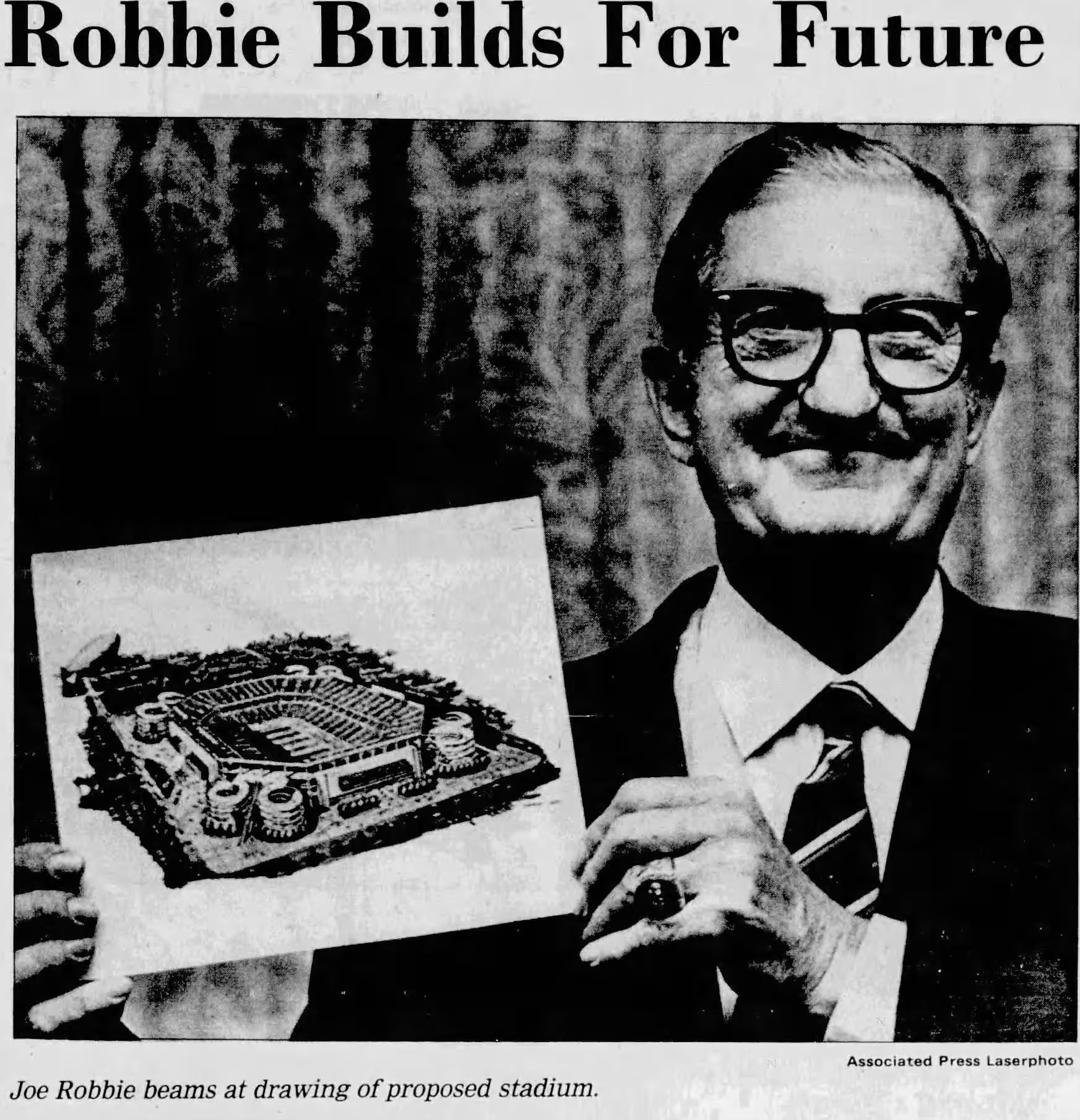
“I sometimes wonder myself. Maybe it’s my obstinate nature. I’m enjoying it totally. Strong will.” ~ Late Miami Dolphins owner Joe Robie about his dream to build a new football stadium in Miami rather than continue to use the existing Orange Bowl stadium.
Joe Robbie 1985 Daytona Beach Morning Journal Daytona Beach, Florida · Monday, January 21, 1985 via Newspapers.com
In January 1985, Joe Robbie faced a wave of skepticism and sharp local criticism when he finalized plans to move the Dolphins out of the iconic Orange Bowl and into a self-financed stadium in north Dade County. Critics in the Miami area—ranging from local politicians to longtime fans—viewed the move as a betrayal of the city’s urban core and mocked the “absurdity” of a private owner attempting to fund a $115 million project without public tax dollars, a nearly unprecedented feat at the time. Beyond the financial doubts, Robbie was labeled a “tyrant” and a “tightwad” by local media for abandoning the historic, rowdy atmosphere of the Orange Bowl in favor of a distant, more corporate venue. This negativity only intensified when construction began later that year, as archaeologists discovered that the site sat atop an ancient Tequesta Indian burial ground, sparking a local outcry that the project was “disturbing the dead” and potentially “cursing” the franchise for years to come.
Inaugurated in 1987, Hard Rock Stadium began its journey as Joe Robbie Stadium, a pioneering multi-purpose venue that was famously entirely privately funded by the Miami Dolphins’ founder. Designed with a rectangular layout that was wider than typical NFL stadiums to accommodate future baseball and soccer franchises, it served as the home of the Florida Marlins for nearly two decades.
The stadium is renowned for its revolving door of identities—holding names like Pro Player, Dolphin, Land Shark, and Sun Life—each marking a new era of corporate sponsorship. Today, it stands as a premier global entertainment hub, hosting prestigious events such as multiple Super Bowls, the Miami Open, and the Formula 1 Miami Grand Prix. Following a transformative $450 million renovation in 2016, the facility was modernized with a massive open-air canopy and state-of-the-art luxury amenities, cementing its status as the iconic crown jewel of South Florida sports.
Dave “The Intimidator” Wilcox dominated NFL offenses through sheer power and aggressive disruption. He punished tight ends, anchored the San Francisco 49ers defense for…