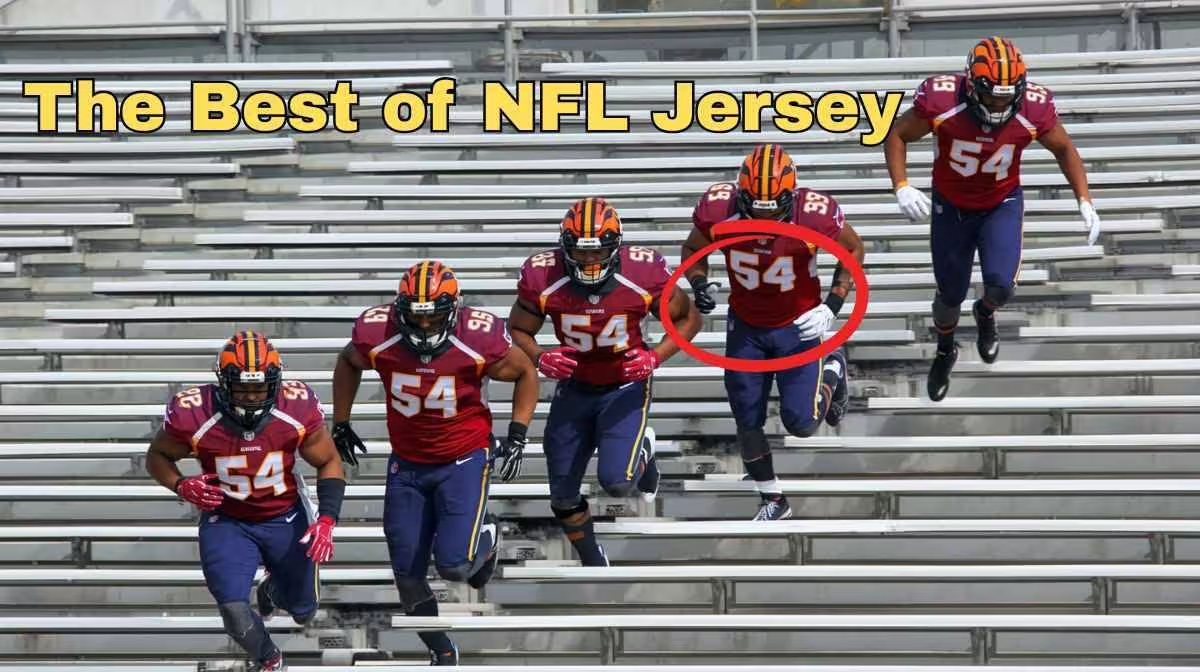
When the number 54 graces the back of an NFL jersey, it signifies a player who is an absolute force on the field—a rare combination of speed, brute force, and tactical disruption. Throughout history, the players who have worn the “Five-Four” have often defined the modern role of the linebacker, excelling at both rushing the passer and dropping into coverage. This number is not just reserved for great players; it’s reserved for legendary defensive playmakers.
We took a close look at NFL jersey number 54 in this podcast episode back in 2021.
The Apex Predator: Tracing the Legacy of NFL Jersey Number 54
From iconic Hall of Famers like Brian Urlacher to the destructive modern presence of Bobby Wagner, these players commanded respect and instilled fear in opposing offenses. They were the apex predators of the gridiron, known for their explosive hits, leadership, and ability to change the outcome of a game with a single decisive play. Join us as we celebrate the remarkable careers of the best athletes to wear number 54, showcasing the defensive royalty who forever stamped their legacy on the NFL.
Top NFL Players Who Wore Jersey 54
- Randy White: A Hall of Fame defensive tackle/linebacker for the Dallas Cowboys, White was co-MVP of Super Bowl XII and known for his relentless motor, earning the nickname “Manster” (man + monster).
- Brian Urlacher: A Hall of Fame middle linebacker for the Chicago Bears, Urlacher was the 2005 NFL Defensive Player of the Year, defined by his rare combination of size, speed, and intelligence in coverage.
- Jim Ringo: A Hall of Fame center for the Green Bay Packers and Philadelphia Eagles, Ringo anchored Vince Lombardi’s early championship teams in Green Bay and earned 10 Pro Bowl selections.
- Zach Thomas: A perennial Pro Bowl middle linebacker for the Miami Dolphins, Thomas was renowned for his extraordinary instincts, tackling efficiency, and production despite being undersized for the position.
- Chuck Howley: A Hall of Fame outside linebacker for the Dallas Cowboys, Howley is the only player from a losing team to be named Super Bowl MVP (Super Bowl V) and was a vital component of the “Doomsday Defense.”
- Bobby Wagner: One of the most dominant middle linebackers of the modern era, Wagner anchored the Seattle Seahawks’ “Legion of Boom” defense, earning multiple First-team All-Pro selections and a Super Bowl XLVIII ring.
- Brian Waters: A six-time Pro Bowl guard, Waters was a standout offensive lineman for the Kansas City Chiefs and New England Patriots, recognized for his versatility and consistent high-level blocking.
- Chris Spielman: A hard-hitting Pro Bowl linebacker for the Detroit Lions, Spielman was celebrated for his intense leadership, fierce tackling, and for becoming one of the first defensive players to publicly wear a helmet communication system.
- Tedy Bruschi: A fan-favorite linebacker, Bruschi was a three-time Super Bowl champion for the New England Patriots, known for his versatility, clutch play, and incredible tenacity and heart on the field.
- Jeremiah Trotter: Known as “The Axeman,” Trotter was a four-time Pro Bowl middle linebacker for the Philadelphia Eagles, celebrated for his aggressive, physical style of play and his passionate leadership.
More Significant NFL Uniform Number 54 Players
- Ed Flanagan
- Lavonte David
- Gregg Bingham
- Bob Johnson
- Larry McCarren
- Greg Biekert
- E.J. Junior
- Fred McNeill
- Tom Banks
- Tom DeLeone
- Dont’a Hightower
- Al Smith
- Jeff Herrod
- Melvin Ingram
- Billy Ray Smith
- Eric Kendricks
- Andra Davis
- Kurt Gouveia
- Keith Bishop
Conclusion: NFL Uniform Number 54
The historical significance of jersey number 54 is undisputed. The players who wore it represented the evolution of defensive strategy, blending the old-school grit of run-stoppers with the modern athleticism required to cover the entire field. Their collective contributions to the game—marked by defensive awards, championship rings, and memorable highlight reels—ensure that number 54 will always stand as one of the most recognizable and highly respected symbols of defensive dominance in the history of the NFL.