The Haskell Institute is a proud Native American group with a special football team in the 1920s.
The Haskell Institute was in celebratory mode in late October 1926, and its football program was part of it, according to the local newspaper, The Indian Leader (Lawrence, Kan.), October 29, 1926.
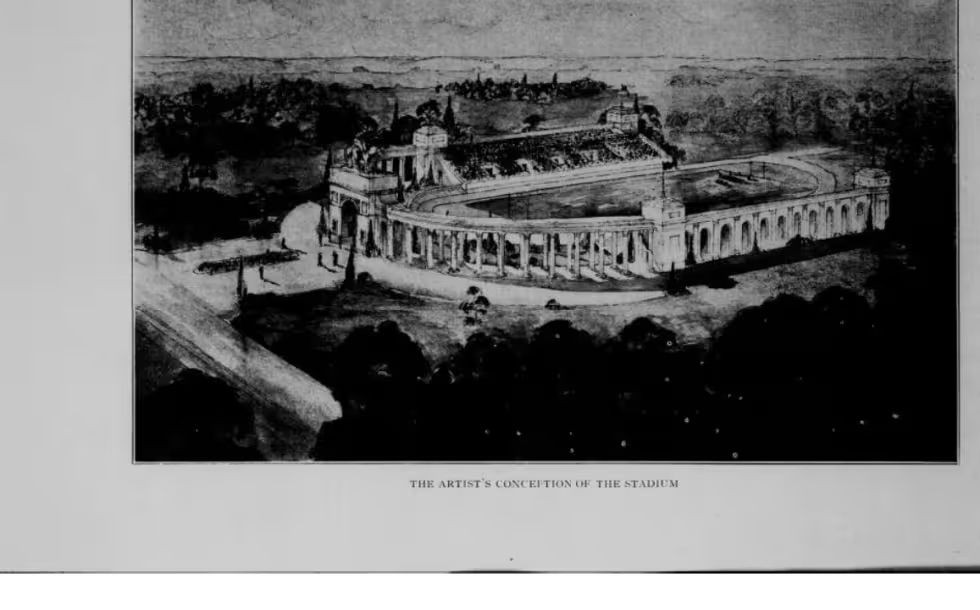
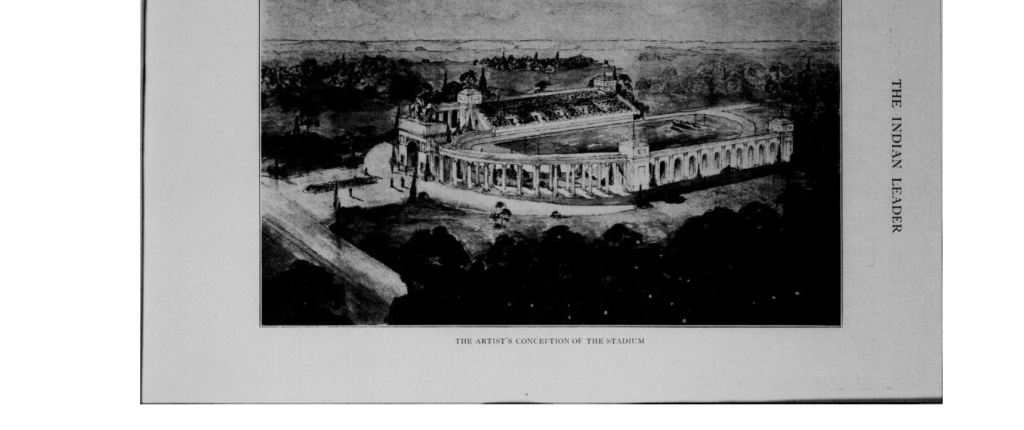
Members of 70 different Native American tribes attended the dedication ceremony for Haskell Stadium, as this venue, built of steel and concrete, was more than just an athletic field. It was a testament to the fortitude of the Midwestern Indian Nations that they could sustain and thrive in Western society, which had overrun their lands and way of life.
What Was Haskell Institute
The Haskell Indian football team, representing the Haskell Institute (now Haskell Indian Nations University) in Lawrence, Kansas, was a dominant force in early American college football. First fielding a team in the mid-1890s, the program rapidly ascended to national prominence and became widely known as the “Powerhouse of the West”. Operating much like their eastern counterpart, the Carlisle Indian Industrial School, Haskell regularly scheduled grueling road trips to face off against—and frequently defeat—major university programs. During their initial golden era from 1900 to 1904, the team amassed a stunning 38–8–1 record, and by the 1910s and 1920s, they were routinely taking down regional heavyweights like Texas, Nebraska, Kansas, and Missouri.
Throughout the early 20th century, Haskell was a major box-office draw, competing as an independent and playing a dynamic brand of football that captivated fans across the Midwest. The program produced several legends of the era, including College Football Hall of Famer John Levi, an All-American fullback whom Jim Thorpe once described as the greatest athlete he had ever seen. Although the school temporarily suspended its athletic programs during the Great Depression and ultimately dropped intercollegiate football for good in 2015 due to funding shortfalls, Haskell’s legacy remains a pivotal chapter in gridiron history. They represent a unique era when Native American institutions not only challenged but frequently dismantled the traditional collegiate football establishment
You might remember us talking about Haskell on a couple of occasions. Once with fellow Sports History Network podcast Bill Black of the NDN All-Stars podcast:
and another podcast where we remembered how many from this Haskell Institute team joined the Hominy Indian professional team that defeated the NFL Champion New York Giants just days after claiming the League Title:
We want to thank the Library of Congress and the kind uploaders of the Indian Leader for sharing the newspaper content we used for much of our information.