The 1978 American football season stands as one of the most transformative years in the sport’s history. For the National Football League (NFL), it marked the birth of the modern passing game and the expansion of the schedule. In the collegiate ranks, it was the year the NCAA fundamentally restructured its top tier of competition.
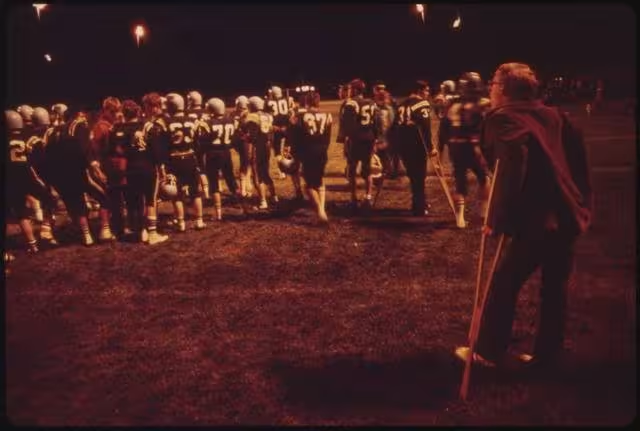
Here is a glimpse of what football looked like in 1978:
The NFL Enters the Modern Era
To combat a trend of low-scoring, defense-dominated games, the NFL implemented sweeping structural and rule changes in 1978 that permanently shifted the balance of power toward offenses.
- The Tyler Rose: Houston Oilers rookie running back Earl Campbell took the NFL by storm. He rushed for an NFL-leading 1,450 yards and 13 touchdowns, becoming one of the rare players to win both the NFL Offensive Rookie of the Year and the NFL Most Valuable Player award in the same season.
- A Historic Coach Returns: Stanford head coach Bill Walsh spent the 1978 season leading the Cardinal to a Bluebonnet Bowl victory before being hired by the San Francisco 49ers in early 1979, setting the stage for his West Coast Offense to dominate the 1980s
Structural and Rule Changes
| Change | Impact |
| 16-Game Schedule | The regular season expanded from 14 to 16 games, establishing a format that lasted until 2021. |
| Playoff Expansion | A second wild card team was added per conference, expanding the playoff field from 8 to 10 teams. |
| The “Mel Blount Rule” | Defenders were restricted from making contact with receivers beyond 5 yards of the line of scrimmage. |
| Pass Blocking Freedom | Offensive linemen were permitted to extend their arms and use open hands to pass block. |
Super Bowl XIII
The season culminated in Super Bowl XIII on January 21, 1979, featuring a clash between the decade’s two most dominant franchises: the Pittsburgh Steelers and the Dallas Cowboys. The Steelers won a 35–31 shootout, making them the first franchise to win three Super Bowl titles. Steelers quarterback Terry Bradshaw threw for 318 yards and four touchdowns, earning MVP honors and proving that the new passing rules had indeed changed the game.
College Football Realignment and Split Champions
The 1978 collegiate season is most notable for the NCAA’s decision to split Division I football into two subdivisions: Division I-A (now FBS) and Division I-AA (now FCS). This move allowed smaller schools to compete for their own national championship while concentrating the major programs in I-A.
- Split National Champions: The season ended with a split national title. The AP Poll crowned the Alabama Crimson Tide (11–1) after their legendary goal-line stand secured a 14–7 victory over previously undefeated Penn State in the Sugar Bowl. The Coaches Poll awarded the title to the USC Trojans (12–1), who defeated Michigan 17–10 in the Rose Bowl. (USC’s lone loss was to Arizona State, while Alabama’s lone loss was to USC earlier in the season).
- Heisman Trophy: Oklahoma junior running back Billy Sims won the Heisman Trophy in a landslide, rushing for 1,762 yards and 20 touchdowns while leading the Sooners to the Orange Bowl.
A Deep Dive into 1978 Football History and Highlights
Beyond the championships, 1978 delivered several unforgettable individual performances and unbelievable finishes:
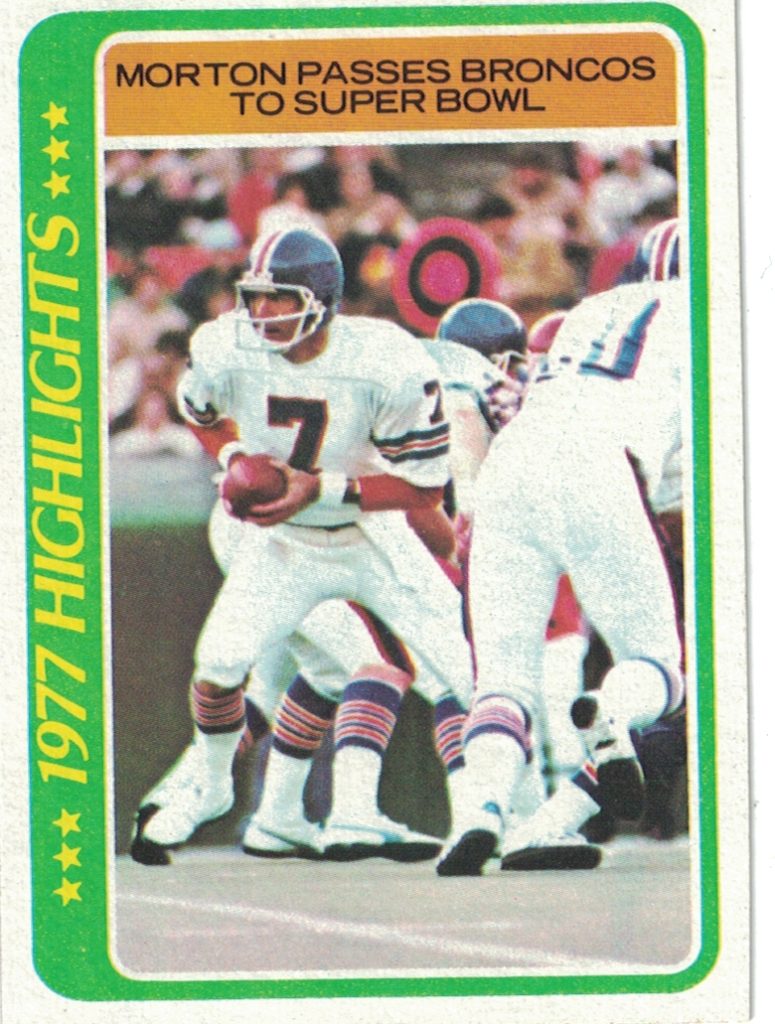
- January 1, 1977 – Veteran QB Craig Morton tossed two TD passes, leading his Denver Broncos to a 20-17 victory over their rivals, the Oakland Raiders, to lead Denver to a trip to the Super Bowl.
- January 2, 1978 – At the 64th edition of the Rose Bowl game, the Washington Huskies outmanned the Michigan Wolverines 27-20. Washington QB Warren Moon was the game’s MVP.
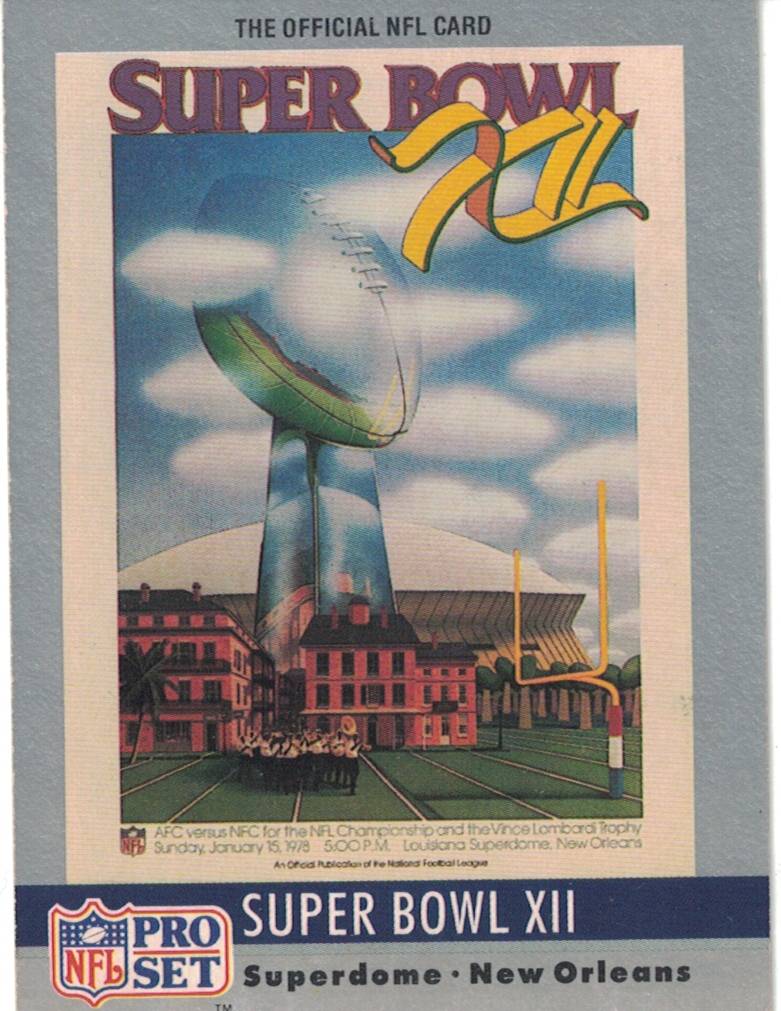
- January 15, 1978 – Louisiana Superdome, New Orleans –Super Bowl XII featured the Denver Broncos and their Orange Crush Defense against the Doomsday Defense of the Dallas Cowboys. The Golden Rankings website states that the Dallas D prevailed, supported by the high-flying Cowboys offense featuring running back Tony Dorsett and quarterback Roger Staubach. The Cowboys displayed their superiority that day, winning by three scores over the Denver Broncos, 27-10. For the first time in Super Bowl history, two MVPs were chosen, both from the defensive side of the ball, as Dallas’ defensive end Harvey Martin shared the spotlight with teammate and January 15 birthday boy Randy White.
- January 23, 1978 – Tampa Stadium –At the NFL Pro Bowl, the NFC squad edges out the AFC, 14-13. The game’s MVP was Chicago Bears running back Walter Peyton. According to the Tampa Sport History Blogspot, the game was broadcast nationwide on ABC and called by the renowned “Monday Night Football” crew of Frank Gifford, “Dandy” Don Meredith, and Howard Cosell.
- March 14, 1978, the NFL permanently added a 7th official, the Side Judge, to the game-day field. The Operations.NFL.com website notes that the SJ position was added in the late 1970s at the urging of Hall of Fame Coach Don Shula, who felt defensive backs were regularly getting away with holding and interference. Like the Field Judge on the opposite sideline, the Side Judge is usually about 20 yards downfield at the snap, in the defensive secondary. This seventh official allows each of the five eligible receivers to be monitored (the widest player on each side and three backfield players). The Side Judge also has pre-snap duties, such as counting the defense, controlling the sideline, assisting in getting the football to the umpire during dead balls, and watching substitutions from their assigned sideline.
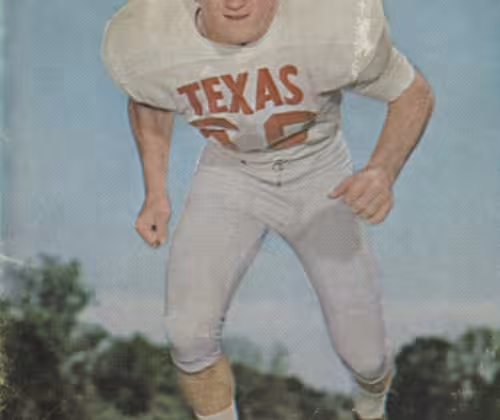
- May 2, 1978– The first pick in the 1978 NFL Draft by the Houston Oilers was Earl Campbell from the University of Texas. Other members of the 1978 Draft class that have joined him in Canton are Stanford wide receiver James Lofton and Alabama tight end Ozzie Newsome. Here is our full coverage of the 1978 NFL Draft.
- June 11, 1978 – Former New Orleans Saints quarterback Archie Manning was awarded the NFL Players Association’s Byron (Whizzer) White Award for his outstanding contributions to his team, community, and country.
- July 29, 1978 – The Pro Football Hall of Fame conducted the enshrinement of the following NFL legends: Lance Alworth, Weeb Ewbank, Tuffy Leemans, Ray Nitschke, and Larry Wilson.
- August 5, 1978 – At Mexico’s Olympic Stadium, which was the venue for the NFL preseason exhibition where the New Orleans Saints defeated the Philadelphia Eagles 14 to seven in front of a large Mexico City crowd that just cheered on those great NFL games.
- September 26, 1978 – New York District Court Judge Constance Baker Motley ruled that women journalists can not be barred from the locker rooms after a game when men reporters are allowed into them. The case was officially titled Ludke v. Kuhn, referring to Bowie Kuhn, the former Major League Baseball Commissioner. Journalist Melissa Ludtke was the plaintiff in the case, suing MLB, Kuhn, and certain New York City officials to gain the right to enter the New York Yankees’ locker room after a game, like her male counterparts. The breakthrough court decision paved the way for female reporters to enter locker rooms at most American sports events alongside their male counterparts.
- November 11, 1978 – Colorado Springs, Colorado –Fromtherumbleseat.com tells the tale of the Game quite well: after a lousy previous season and their former coach, Ben Martin, announcing his retirement, Air Force hired a guy named Bill Parcells to coach the team. You would think the Falcons would be ready for a big win, given the frigid Saturday in Colorado Springs, where temperatures dropped to 21°F. Tech was thought to be at a severe disadvantage in such chilly conditions after coming from hot Georgia. No one told the Yellow Jackets rushing offense that, though, running back Eddie Lee Ivery rushed for 356 yards to lead Georgia Tech to a 42-21 victory over Air Force.
- November 18, 1978 – Grant Field, Atlanta, Georgia –Running back Vegas Ferguson sets a Fighting Irish record as he puts up 255 yards on the ground against Georgia Tech in a 38-21 victory for the Golden Domers. Ferguson, according to an archived story on nd.edu, set the tone for the day as he took a handoff through the right side of the line on the game’s second play, 68 yards to the Tech 6-yard line.
- November 19, 1978 – The Miracle at the Meadowlands – The New York Giants led the Philadelphia Eagles 17–14 with seconds remaining. Instead of taking a standard quarterback kneel to run out the clock, Giants offensive coordinator Bob Gibson called a running play. Quarterback Joe Pisarcik botched the handoff to Larry Csonka, and Eagles defensive back Herman Edwards scooped up the fumble and returned it 26 yards for a game-winning touchdown. This disaster popularized the “victory formation” across all levels of football.
- November 26, 1978 – CNE Stadium, Toronto –The 66th Grey Cup saw the Edmonton Eskimos take their first of 5 straight titles, defeating the Montreal Alouettes 20-13, per the American Football Database.
- November 28, 1978 –Billy Sims, Oklahoma’s talented running back, won the 44th Heisman Trophy Award.
- December 2, 1978 – Alabama defeated Auburn 34-16 in the 43rd Iron Bowl at Birmingham’s Legion Field.
- December 29, 1978 – The Punch – At the Gator Bowl in Jacksonville, #20 Ohio State suffered a loss to highly ranked Clemson. The loss cut deeper than usual as they also lost their long-tenured Coach Woody Hayes, who, during the game broadcast, punched a Tiger player who had intercepted the Buckeyes.