The pageantry, the legendary players and coaches, and that ominous tiger eye in the middle of the field are all items that we recognize and associate with LSU football. The LSU Tigers football history is filled with fascinating stories and traditions. However, the program’s early beginnings are just as fascinating.
The Beginning of Tiger Ball
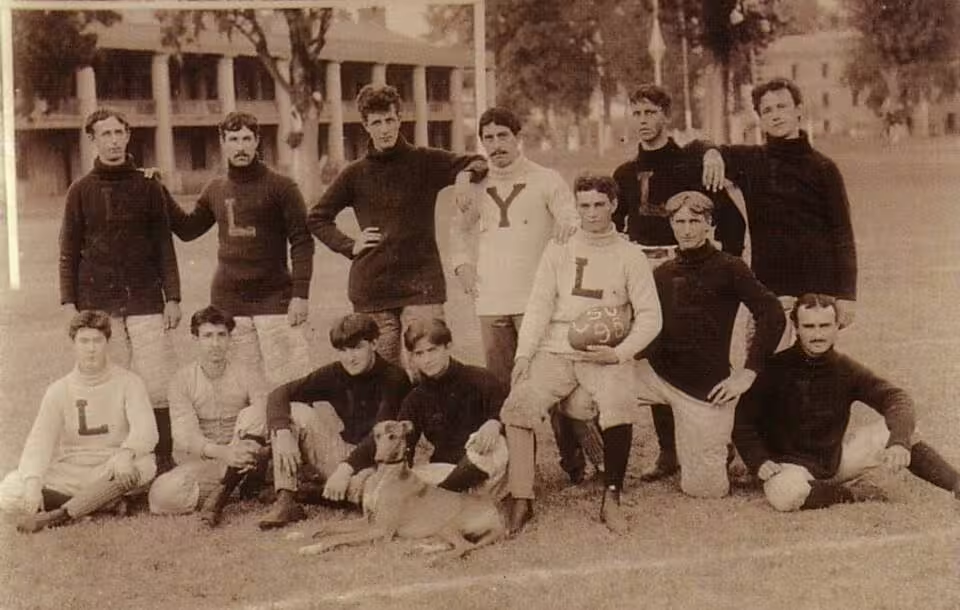
Louisiana State University’s football program dates back to the autumn of 1892, when Dr. Charles E. Coates, a chemistry professor renowned for his sugar research and a former player at Johns Hopkins University, first assembled a group of students into a squad. After holding a couple of scrimmages, Coates shelved the project until the following year. In the fall of 1893, he revived the effort and organized LSU’s inaugural varsity team. Outfitted in makeshift uniforms adorned with purple and gold ribbons—chosen, according to tradition, because the local store had sold out of green Mardi Gras ribbons—the squad traveled to New Orleans for its debut on November 25, 1893. Facing Tulane before 1,500 spectators at Crescent City Base Ball Park, LSU suffered a 34–0 defeat. Despite the lopsided score, the contest ignited a fierce rivalry between the two schools that endured well into the twentieth century. That single game marked the entirety of Coates’ coaching career and the only collegiate appearance for LSU’s quarterback and team captain, Ruffin G. Pleasant, who later became governor of Louisiana and was inducted into the LSU Athletic Hall of Fame.
In 1894, leadership passed to head coach Albert Simmonds, who guided the program to its first milestones. LSU secured its maiden victory that season with a 26–0 shutout of the Natchez Athletic Club, during which Samuel Marmaduke Dinwidie Clark scored the first touchdown in school history. Later that year, on December 3, 1894, LSU hosted its first campus game at State Field and fell to Mississippi despite a touchdown by Simmonds. The 1894 campaign also introduced end William S. Slaughter, who became LSU’s first five-year football letterman, playing through 1898. By 1895, the team celebrated its first home victory in Baton Rouge.
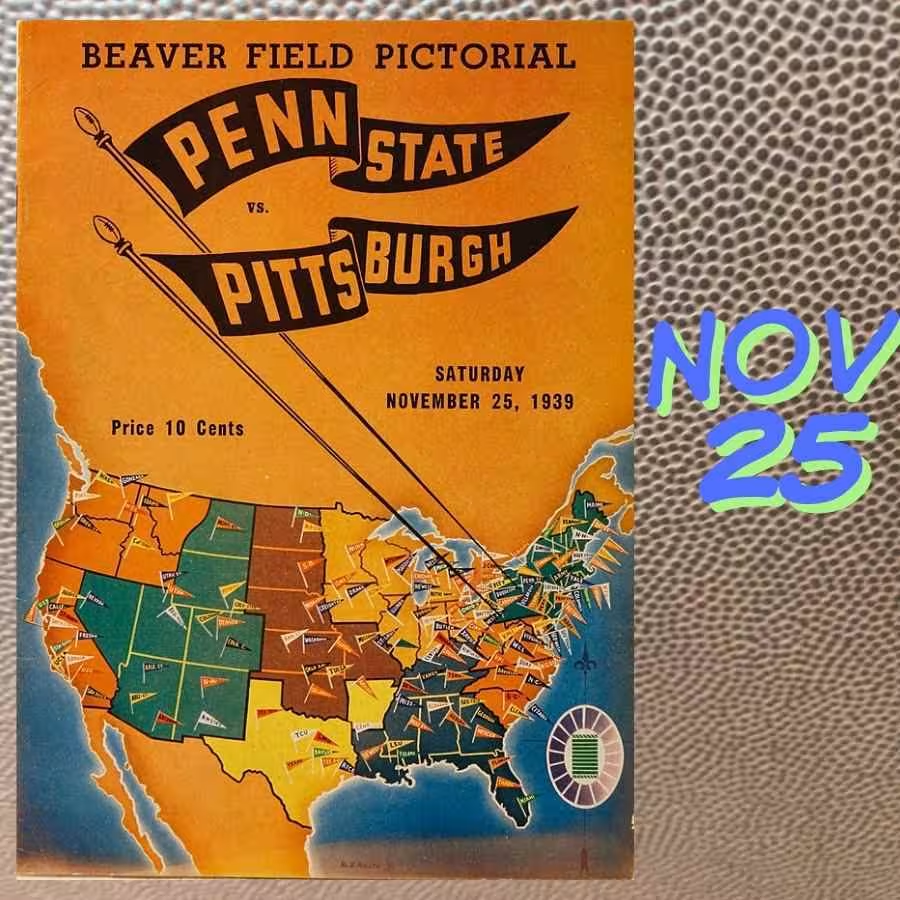
The program underwent a transformative leap in 1896 under newly hired coach Allen Jeardeau of Platteville, Wisconsin. Competing in its inaugural year as a member of the Southern Intercollegiate Athletic Association, LSU posted an undefeated record and captured its first conference championship, aided by a forfeit from Tulane after the rival attempted to field Hall of Fame Penn back George H. Brooke. Before adopting its famous moniker, the squad was occasionally referred to in early press accounts simply as the “Cadets” or “Pelicans,” reflecting the university’s military roots and state bird. However, the undefeated 1896 squad earned the enduring “Tigers” nickname, inspired by the “Fighting Tigers,” a Confederate infantry company from Louisiana during the Civil War known for its ferocity at battles like Bull Run and Gettysburg.
Yellow fever outbreaks across the South severely disrupted the program in 1897 and 1898, limiting LSU to just two games in 1897 and a single contest in 1898. With Jeardeau having departed before the lone 1898 game and no replacement hired, team captain Edmond Chavanne stepped in, becoming the first LSU alumnus to coach the squad. John P. Gregg took over in 1899 for a 1–4 campaign that featured a victory over Tulane and the debut of LSU’s second five-year letterman, John J. Coleman. Chavanne returned as head coach in 1900 for a 2–2 finish before W. S. Borland assumed control in 1901. Borland led the Tigers to a 5–1 mark—bolstered by an 11–0 forfeit victory awarded by the SIAA after Tulane was caught using a professional player—and followed it up with an ambitious seven-game schedule in 1902 highlighted by an upset over Texas. By the mid-1900s, under coaches like Dan A. Killian and standout players such as 1904 All-Southern back René A. Messa, LSU football had firmly established itself as a southern collegiate mainstay.
Here Are More Stories of LSU Football Legends
- Ken Kavanaugh: LSU Star, War Hero, and Chicago Bears Legend
- Y.A. Tittle
- Johnny Robinson: Chiefs Legend & Hall of Fame Safety
- Bert Jones: LSU Tigers Legend and Baltimore Colts QB
- The Night the Clock Stopped: LSU vs Ole Miss, 1972
- Billy Cannon: LSU Legend & 1959 Heisman Trophy Winner
- Tommy Casanova: LSU Football Legend and NFL Pro Bowler
- Charles Alexander: LSU Legend & Hall of Fame Halfback
- Abe Mickal: The Miracle Halfback of LSU Tigers Football
- Doc Fenton: LSU’s “Vaselined Redhead” and the Hero of the Bacardi Bowl
- Jerry Stovall: LSU’s “Mr. Everything” and the Pride of West Monroe
- The Gold-Jacket Guard: Alan Faneca’s Decade of Dominance in the Trenches
- The Bluegrass Miracle: LSU’s 74-Yard Answered Prayer
- 👻 Halloween Miracle: Billy Cannon’s Run and the Goal Line Stand That Beat Ole Miss in 1959
- Jim Taylor