After a busy summer sports calendar, American sports enthusiasts are finally gearing up for another exciting NFL season, bringing renewed attention to the teams that shaped football across generations.
Every era introduced new ideas, unforgettable players, and championship standards that have influenced modern teams and their identity.
Some teams transformed coaching, while others redefined offensive or defensive football. Looking back at these iconic periods offers valuable insight into how today’s game evolved and why certain dynasties continue to stand as benchmarks for sustained excellence.
Patriots’ Two-Decade Reign of Consistency
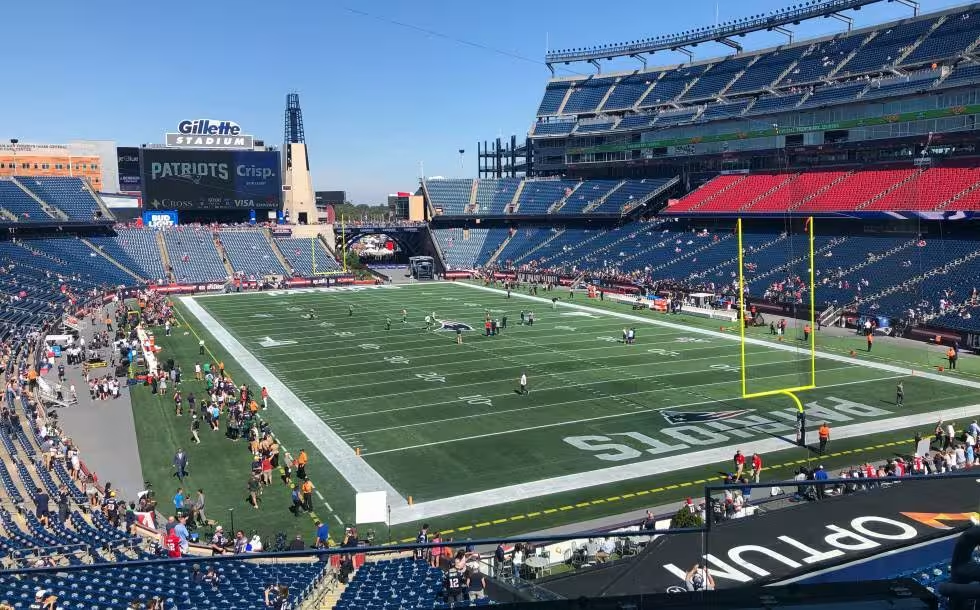
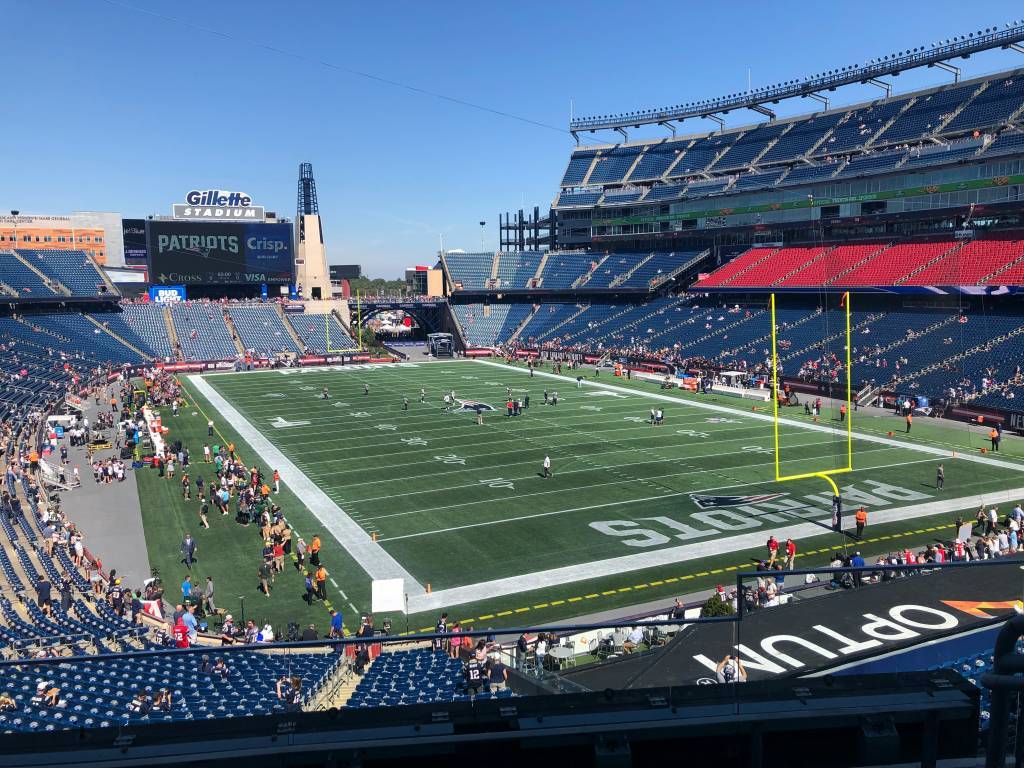
Few modern teams sustained excellence as consistently as New England across two remarkable championship windows. Their titles from 2001 through 2004 established a winning culture before another dominant run between 2014 and 2018 confirmed their lasting greatness.
The discussion surrounding New England Patriots odds often reflects that remarkable history. Years of postseason success built expectations that few teams have matched, making every Patriots season a reference point for measuring championship potential.
Bill Belichick and Tom Brady formed perhaps the most analyzed coach-quarterback partnership football has ever seen. Their relationship balanced detailed preparation with remarkable execution, allowing the team to adjust successfully against almost any opponent or game situation.
Maintaining dominance proved especially impressive under the NFL’s salary cap. New England repeatedly rebuilt its roster while remaining competitive. Hall of Fame-caliber contributors such as Rob Gronkowski, Ty Law, Richard Seymour, Adam Vinatieri, and Vince Wilfork strengthened different championship teams, while overcoming rivals led by Peyton Manning and Ben Roethlisberger added even greater significance to every playoff run.
Their sustained success also reflected an unmatched ability to adjust from season to season. Offensive approaches evolved, defensive personnel changed, and assistant coaches frequently departed for head coaching opportunities elsewhere.
Despite near-constant turnover, New England remained among the AFC’s elite because its identity centered on preparation, versatility, and execution rather than relying on a single scheme or short-lived championship roster.
Steelers’ Draft-Built Championship Machine
Pittsburgh built its dynasty through patient scouting rather than headline-grabbing acquisitions. The team’s commitment to identifying and developing talent became the foundation for one of football’s greatest periods of sustained success.
Everything changed with the legendary 1974 NFL Draft. Lynn Swann, Jack Lambert, John Stallworth, Mike Webster, and Donnie Shell eventually formed one of the greatest collections of talent ever assembled through a single draft class.
The rivalry between Pittsburgh and Dallas became the defining battle of the decade. Their Super Bowl meetings showcased contrasting playing styles while helping elevate professional football into a national entertainment phenomenon during the 1970s.
Four Super Bowl victories in six seasons remain one of the league’s most remarkable achievements. Beyond championships, the team’s success reshaped Pittsburgh’s civic identity. Steel City pride became closely connected with football excellence, while the draft-focused philosophy influenced countless teams seeking long-term competitiveness through player development rather than short-term solutions.
The dynasty also demonstrated the importance of continuity. Chuck Noll’s long-term vision allowed young players to develop within a stable culture where expectations remained consistent every season. Veterans mentored emerging stars, creating a pipeline of leadership that extended beyond individual championships. That commitment to patience and development became one of the defining characteristics of Pittsburgh’s enduring success and lasting reputation across the league.
Packers’ Small-Market Dominance Model
Green Bay demonstrated that market size doesn’t determine greatness. Under Vince Lombardi, the team built one of professional football’s earliest dynasties despite competing from one of the league’s smallest communities.
Lombardi emphasized discipline, preparation, and flawless execution above elaborate deception. His famous Packer Sweep became far more than a running play. It represented the belief that perfect fundamentals could consistently overcome even well-prepared opponents.
The era also carried broader social importance. Green Bay stood among teams willing to draft and develop Black players, helping football move gradually toward greater inclusion during a period when equal opportunities remained limited across professional sports.
Historical context makes those achievements even more impressive. The NFL consisted of only 12 teams, leaving little margin for error during shorter postseason formats. Lombardi’s leadership philosophy still influences coaches today through its focus on accountability, preparation, teamwork, and consistently demanding excellence from every player regardless of individual status.
49ers’ West Coast Blueprint and Legacy
During the 1980s and early 1990s, San Francisco transformed offensive football through Bill Walsh’s visionary West Coast system. Precision passing, timing, and intelligent play design became central principles that continue influencing offenses throughout today’s NFL.
The move from Joe Montana to Steve Young underscored the 49ers’ exceptional long-term planning and ability to sustain excellence. Rather than fading after one legendary quarterback departed, San Francisco remained among football’s elite by maintaining its core philosophy and adapting around new strengths.
Jerry Rice elevated expectations for wide receivers through extraordinary consistency and unmatched production. His statistics continue serving as the standard against which elite receivers are measured, while his relentless preparation became equally influential throughout professional football.
NFL insights point out that many observers describe this period as football’s Camelot because it combines sustained success, memorable personalities, and innovative coaching. Yet near-misses prevented an even more extraordinary legacy. Championship Game defeats and narrowly missed opportunities remind fans that even legendary dynasties experience moments where history could have unfolded differently.
Chiefs’ Modern Dynasty Redefines Excellence
Kansas City has demonstrated that dynasties remain possible despite today’s competitive salary cap and player movement. Sustained success now requires constant adaptation rather than relying solely on keeping championship rosters intact.
Patrick Mahomes has already earned comparisons with football’s greatest quarterbacks. His creativity, arm talent, mobility, and composure during crucial moments allow Kansas City to remain dangerous regardless of game circumstances or opponent.
Head coach Andy Reid’s influence extends beyond victories alone. His offensive creativity continues shaping modern football, while his willingness to evolve keeps Kansas City’s attack fresh even as defensive strategies change throughout the league.
Perhaps the clearest measure of this era is adaptability. Kansas City continued winning after Tyreek Hill departed by developing new contributors and adjusting offensive priorities. That ability to reload distinguishes lasting dynasties from teams that capture one championship before fading, reinforcing the idea that sustained excellence depends on evolution as much as elite talent.
A Legacy That Continues
Every great NFL era leaves lessons that extend beyond championship trophies. The Patriots, Steelers, Packers, 49ers, and Chiefs each introduced ideas that reshaped coaching, roster building, leadership, and player development.
Their influence continues to appear every Sunday, whether through offensive concepts, drafting philosophies, or competitive standards.
As another NFL season approaches, these legendary teams remain powerful reminders that lasting greatness is built through vision, adaptability, and consistent excellence over many years.