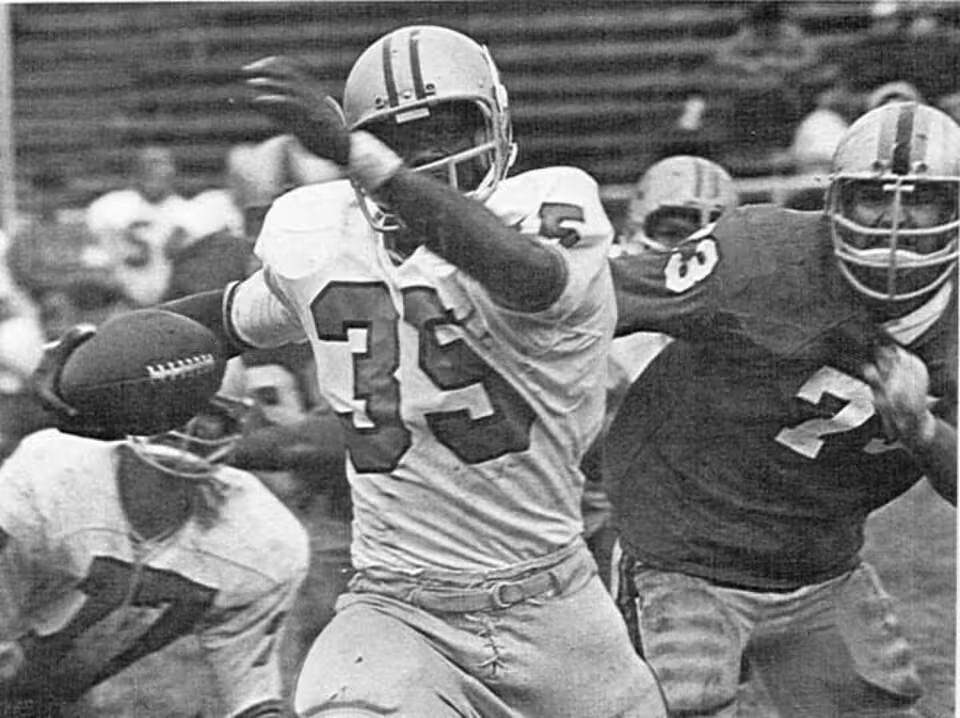
The 1971 American football season was a defining year that firmly established the sport’s modern era. Playing its second season after the official AFL-NFL merger, the professional league showcased legendary defenses and grueling playoff battles, while the collegiate ranks delivered one of the most famous games ever played.
Here is a glimpse of what football looked like in 1971.
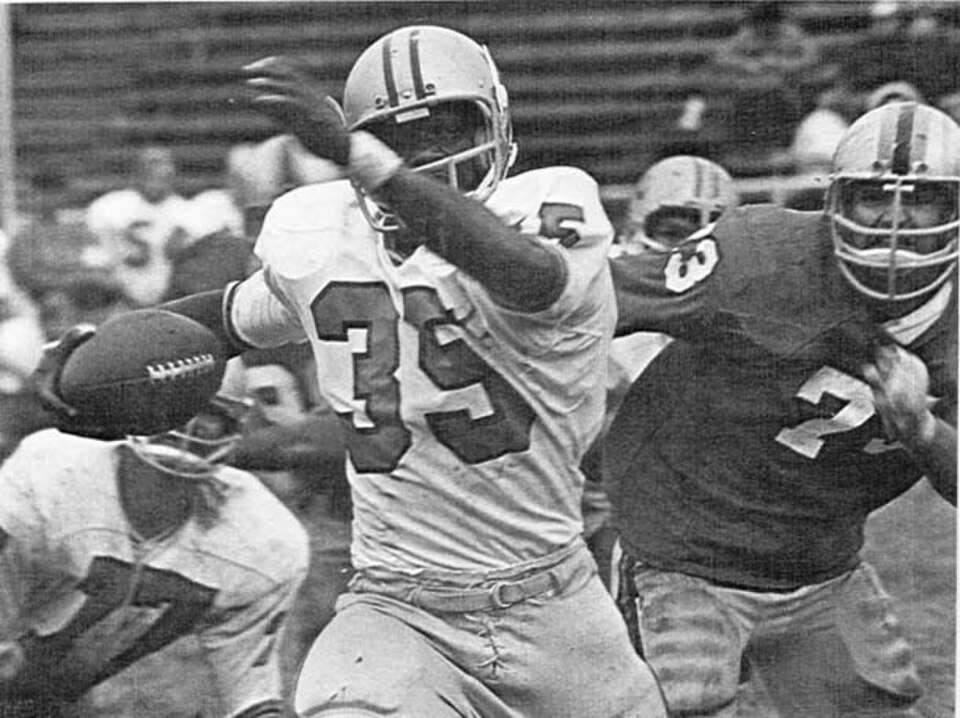
The Dallas Cowboys’ Breakthrough
After years of playoff heartbreak and a brutal loss in Super Bowl V, the Dallas Cowboys finally shed their label as a team that couldn’t win the big game. Head coach Tom Landry and quarterback Roger Staubach led a highly efficient offense, complemented by the famed “Doomsday Defense.”
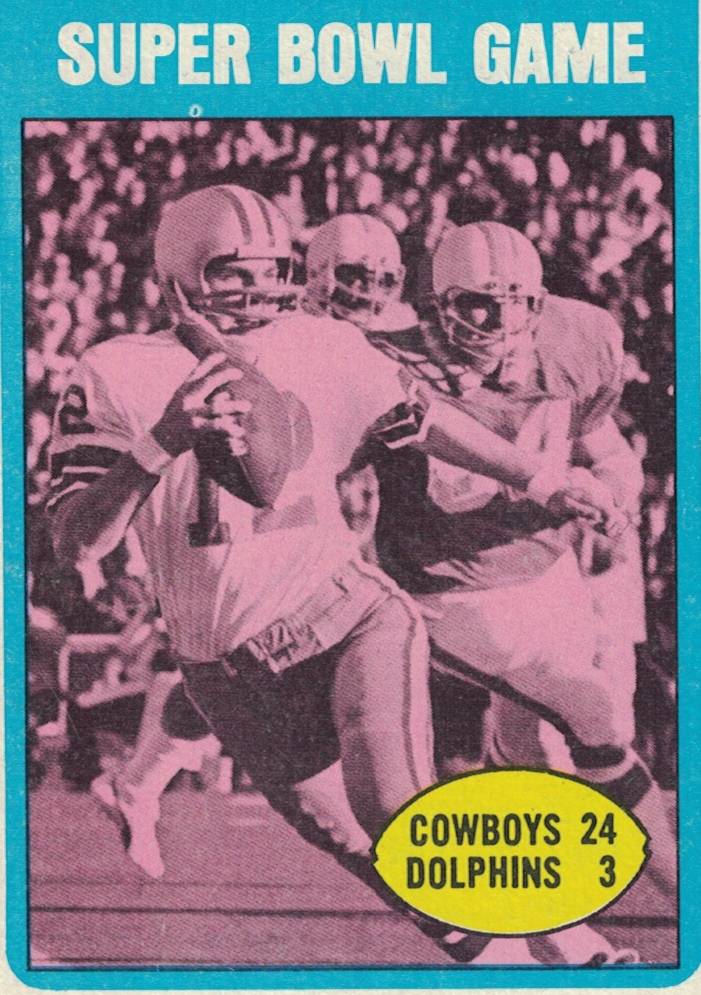
The season culminated on January 16, 1972, at Super Bowl VI in New Orleans. The Cowboys systematically dismantled the up-and-coming Miami Dolphins, winning 24–3. The Cowboys’ defense was completely dominant, setting a Super Bowl record that still stands today by preventing the Dolphins from scoring a single touchdown. Staubach was named the game’s MVP, marking the beginning of Dallas’s reign as a powerhouse of the 1970s.
The Christmas Day Marathon and Historic Milestones
The 1971 NFL season is perhaps best remembered for a singular, exhausting playoff matchup and a historic regular-season achievement:
- The Longest Game: On Christmas Day 1971, the Miami Dolphins and Kansas City Chiefs clashed in an AFC Divisional Playoff game that became an instant classic. The teams battled through four quarters and into double overtime. After 82 minutes and 40 seconds of game time, Dolphins kicker Garo Yepremian hit a 37-yard field goal to secure a 27–24 victory. It remains the longest game in NFL history.
- A Defensive MVP: Minnesota Vikings defensive tackle Alan Page achieved something no defender had ever done. As the anchor of the “Purple People Eaters” defense, Page was so disruptive that he was awarded the NFL Most Valuable Player award—becoming the first defensive player to ever win the honor.
- The Final Season in the Cotton Bowl: 1971 marked the Cowboys’ final season playing at the historic Cotton Bowl in Dallas before their move to Texas Stadium.
Some 1971 Season NFL Top Players
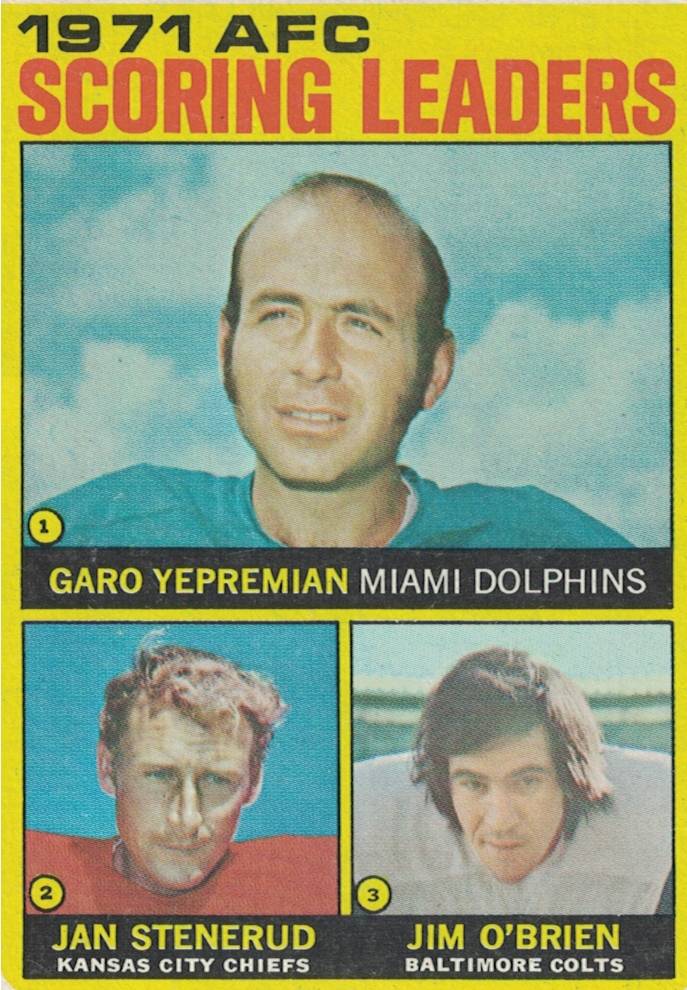
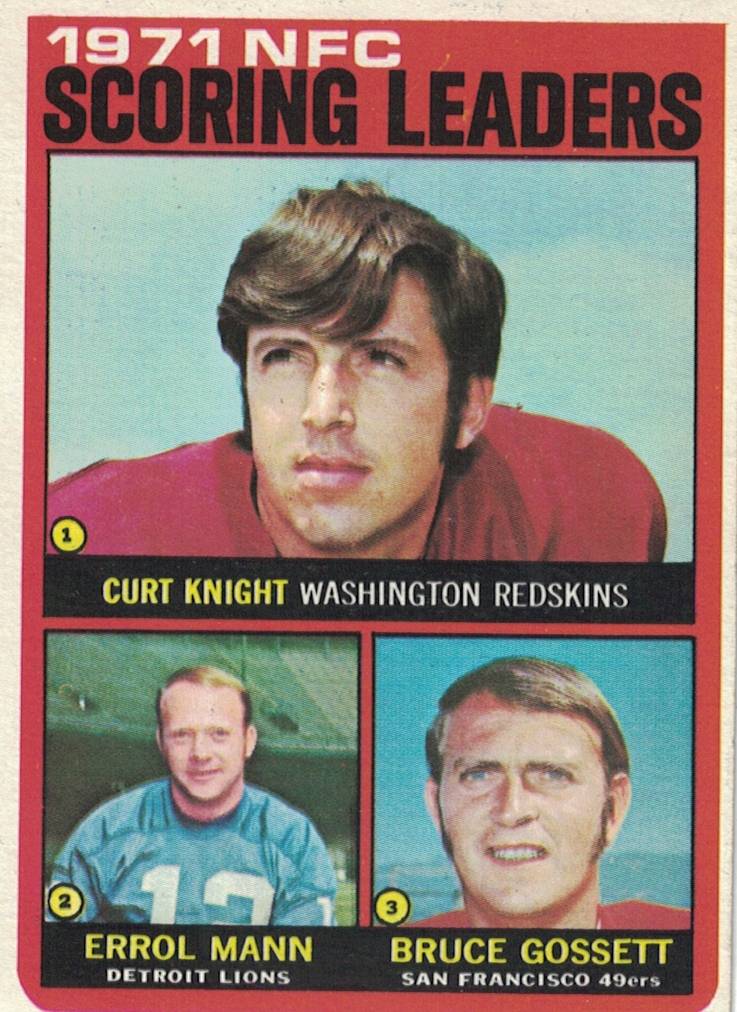
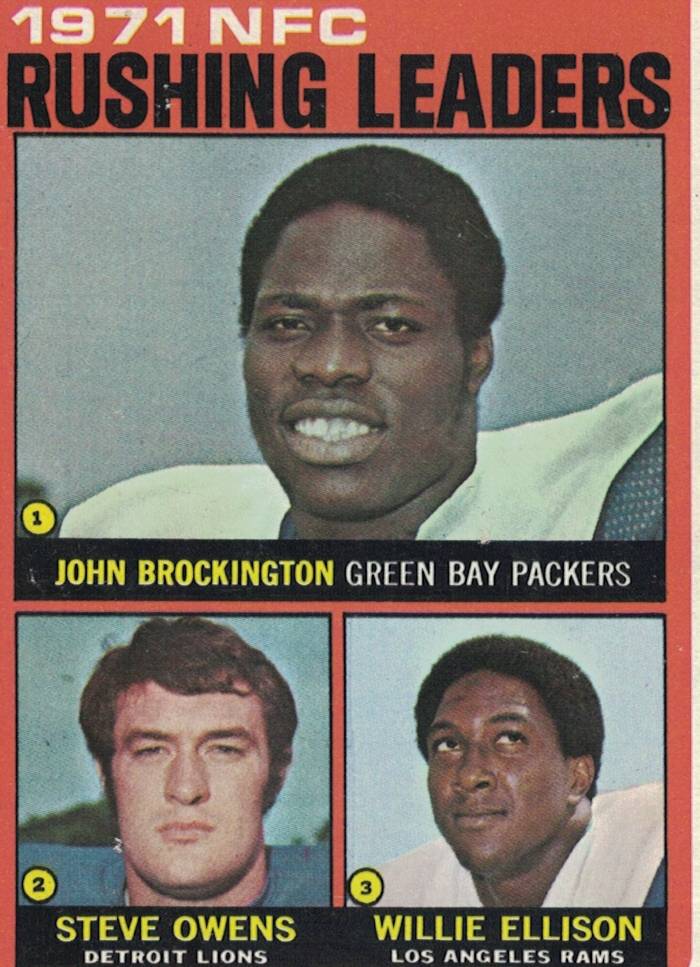
College Football’s Undisputed Champions
The college football landscape in 1971 was dominated by the Big Eight Conference, which produced the top three teams in the final Associated Press (AP) poll—an unprecedented feat.
The crown jewel of the season took place on Thanksgiving Day, November 25, 1971. Billed as the “Game of the Century,” the defending national champion and #1-ranked Nebraska Cornhuskers traveled to Norman to face the #2-ranked Oklahoma Sooners. In a thrilling, high-scoring affair featuring dynamic wishbone and I-formation offenses, Nebraska prevailed 35–31.
The Cornhuskers would go on to crush undefeated Alabama 38–6 in the Orange Bowl, securing back-to-back National Championships. Meanwhile, Auburn quarterback Pat Sullivan took home the Heisman Trophy, edging out Cornell running back Ed Marinaro in a closely contested vote.
A Deep Dive into 1971 Football History and Highlights
The 1971 season was defined by a heavy reliance on the running game and punishing, physical defenses. Scoring across the NFL dropped to an average of just 19.4 points per team per game. This defensive stranglehold directly prompted the NFL to implement major rule changes in subsequent years—such as moving the hash marks closer to the center of the field in 1972—to open up the passing game and increase offensive production.
At the same time, the season represented a passing of the torch. It marked the end of the road for many stars of the 1960s, while setting the stage for the Miami Dolphins’ historic undefeated season that would follow in 1972.
- January 1, 1971 – The 3-loss Stanford Indians defeated the previously undefeated Ohio State Buckeyes 27-17 behind the brilliant play of MVP QB Jim Plunkett.
- January 3, 1971 – Baltimore’s Memorial Stadium– The first-ever played AFC Championship game took place. Before we dive into this game, let’s talk a little bit about the 1970 NFL realignment. This is the first season in which the AFL and the NFL truly merged into one league, rather than having separate regular seasons and then facing off in the playoffs. This merging and rearranging was not an easy process, as the AFL brought 10 teams into the fray while the NFL had 16 franchises. In essence, three NFL teams had to join the AFL clubs in order to create balance in the new NFL. Finally, a decision was made to transfer the Steelers, Colts, and Browns and merge them with the AFL clubs to form the NFL’s American Football Conference. One of these old NFL squads, the Baltimore Colts, survived the rigors of the new conference to battle the old guard of the AFL, the Oakland Raiders, for the right to play in Super Bowl V. Pro-Football-Reference shares via the boxscore that the favored Colts jumped out early and hung on to defeat Oakland 27-17. Colts runner Norm Bulaich scored twice, and a Unitas to Ray Perkins TD pass sealed the deal in the fourth to place the Colts in the Big Game!
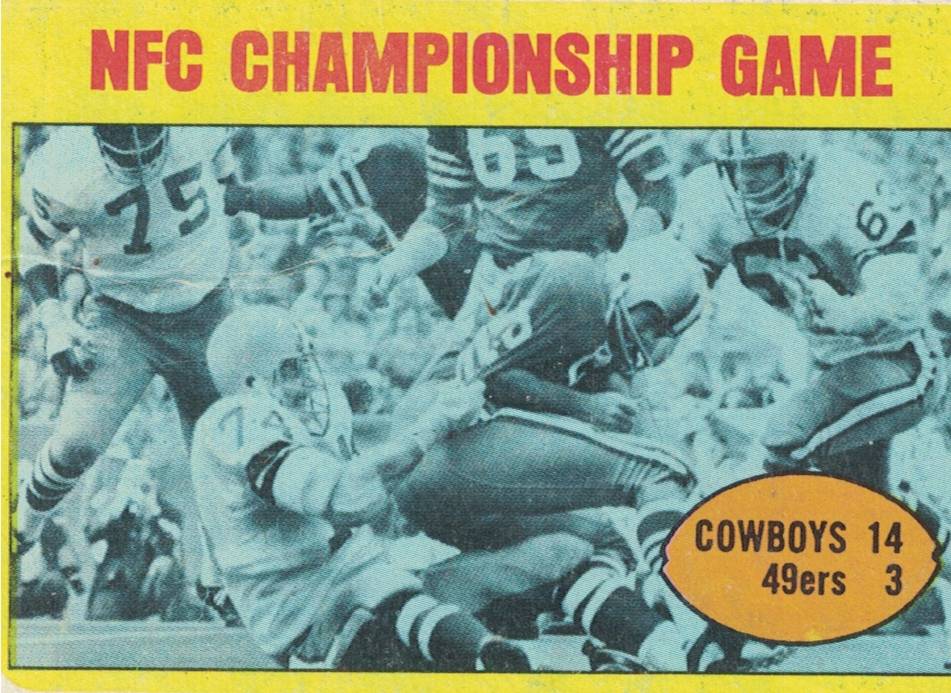
- January 3, 1971 – The first NFC Championship game took place at San Francisco’s Kezar Stadium. As we just discussed, the 13 teams of the National Football Conference of the NFL had all been in the NFL in the years prior to the merger. The folks at Pro-Football-Reference.com tell us that the Niners were entertaining the Cowboys in the contest to see who would face Baltimore in the Super Bowl. At halftime, the game was knotted at 3, but coming out of the locker room, it appeared Dallas had made the better adjustments, scoring two 3rd-quarter TDs and holding on to beat San Francisco 17-10 and advance.
- January 17, 1971 – At the Miami Orange Bowl in Florida, Super Bowl V delivered a dramatic finish. The Baltimore Colts and Dallas Cowboys, the top teams in the league, competed for the Lombardi Trophy. With the game tied at 13 late in the fourth quarter and starting quarterback Johnny Unitas sidelined, Colts backup Earl Morall led a late drive deep into Dallas territory. Kicker Jim O’Brien entered the field and, with five seconds remaining, secured victory for the Colts, 16-13. Notably, Chuck Howley, a linebacker for the losing Cowboys, earned the MVP award—the only time this has occurred in Super Bowl history.
- January 24, 1971 – Los Angeles Memorial Coliseum –The NFC’s top players squashed the AFC squad by the score of 27-6 in the 21st NFL Pro Bowl. Fred Carr, the linebacker of the Green Bay Packers, and Mel Renfro, the corner of the Dallas Cowboys, were selected as the game’s MVPs.
- January 28, 1971 – Jim Plunkett, a Stanford University quarterback, was selected by the New England Patriots in the 1971 NFL Draft. John Riggins was the first player in this draft to get a gold jacket as the number 6 pick over all by the Jets, other future Pro Football Hall of Fame members picked in this draft were Jack Youngblood to the Rams at 20, Jack Ham to the Steelers at number 34, the Cardinals inking Dan Dierdorf with the 43rd pick, and the Eagles with a steal of Harold Carmichael at the 161st overall pick per the PFR.
- March 25, 1971 – The Boston Patriots became the New England Patriots. Our guest on the February 25 podcast, Upton Bell, described how he played a part in this renaming. Bell, who was the General Manager at the time, says that when he took the position after leaving the Baltimore Colts, the Boston franchise was considering using the name Bay Side Patriots until Upton noticed a local newspaper headline using the abbreviated B.S. Patriots. Therefore, Bell petitioned Patriots ownership to reconsider and instead offered the New England Patriots.
- May 28, 1971 –The Mexia High School Black Cats football team of the 1970 season started all seniors. It is almost unheard of in college or high school to lose your entire starting team to graduation in one year. The group played their last game together on November 30, 1970, in Athens, Texas.
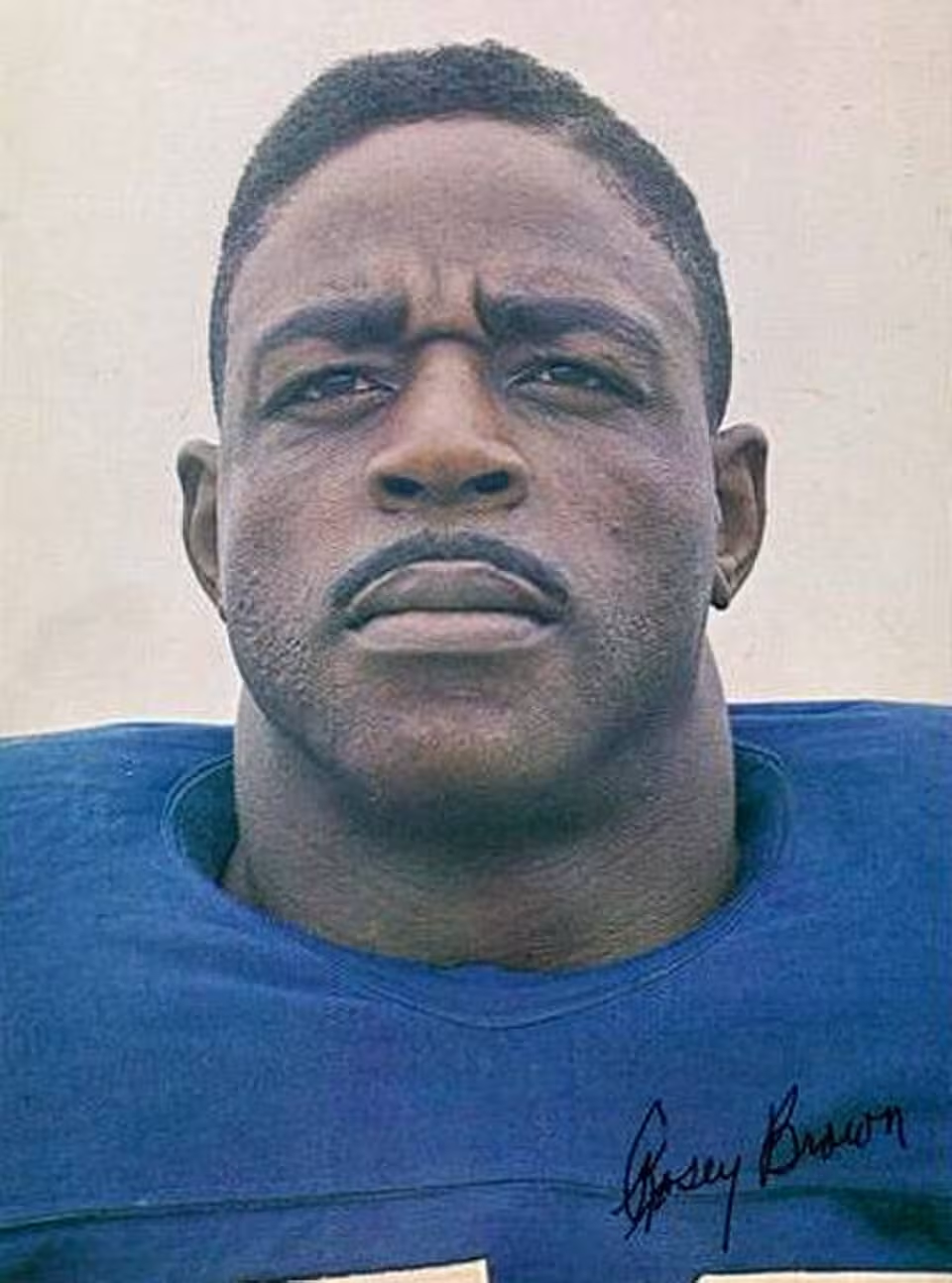
- July 31, 1971 – The Pro Football Hall of Fame enshrined legendary Cleveland Browns running back Jim Brown and iconic Green Bay Packers head coach Vince Lombardi. Other greats that received a Gold Jacket that day were: Bill Hewitt, Frank (Bruiser) Kinard, Andy Robustelli, Y.A. Tittle, and Norm Van Brocklin. [Source]
- November 20, 1971 – Michigan and Ohio State have had some epic meetings, but this one really sticks out as one of the best college games of all time. The defensive battle ended with a 10-7 Wolverine win.
- November 25, 1971– New York City –The 37th Heisman Trophy was awarded to Auburn’s Quarterback Pat Sullivan.
- November 27, 1971 – Birmingham –The 36th Iron Bowl was a one-sided affair as the Tide washed out the Tigers 31-7.
- November 28, 1971 – CFL Grey Cup, Empire Stadium, Vancouver: Calgary Stampeders beat Toronto Argonauts, 14-11 on a slick, rain-covered field.
- December 25, 1971 – The Miami Dolphins and the Kansas City Chiefs played in a very memorable game on Christmas Day in the AFC Divisional contest. It ended up being the longest NFL game ever, as it went to 2 overtime sessions before Miami Kicker Garo Yepremian booted a 37-yarder to send the Dolphins to a 27-24 thriller!
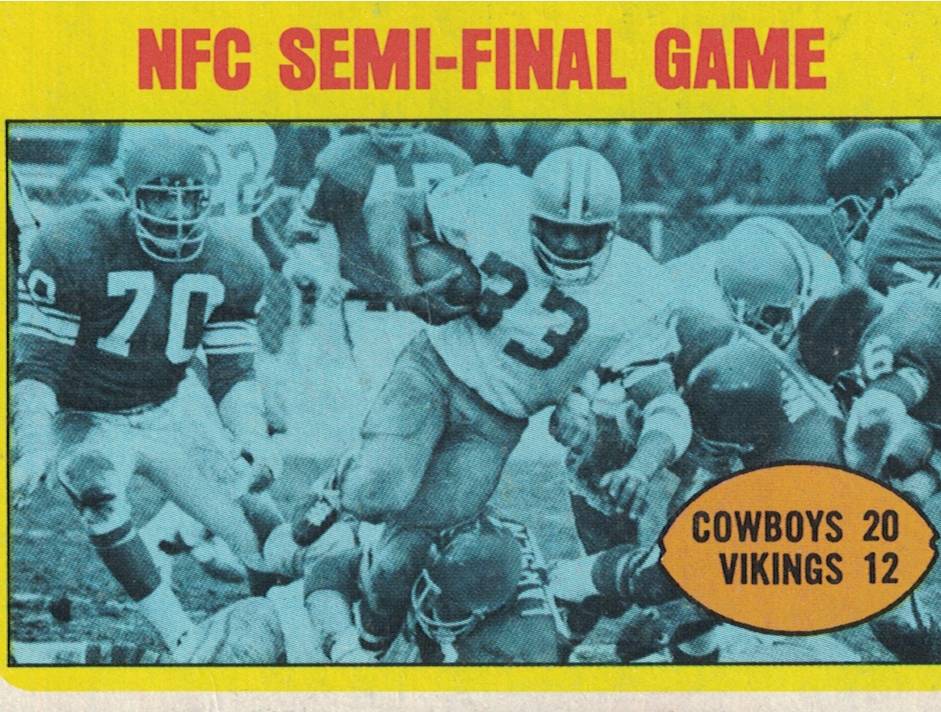
- December 25, 1971 – The NFC had one of the Semi-Final Playoff games where the Minnesota Vikings and the Dallas Cowboys met. Cowboy RB Duane Thomas ran for a TD, and Roger Staubach led Dallas to a 20-12 victory, finding Bob Hayes on a 9-yard TD pass to help the Cowboys advance.
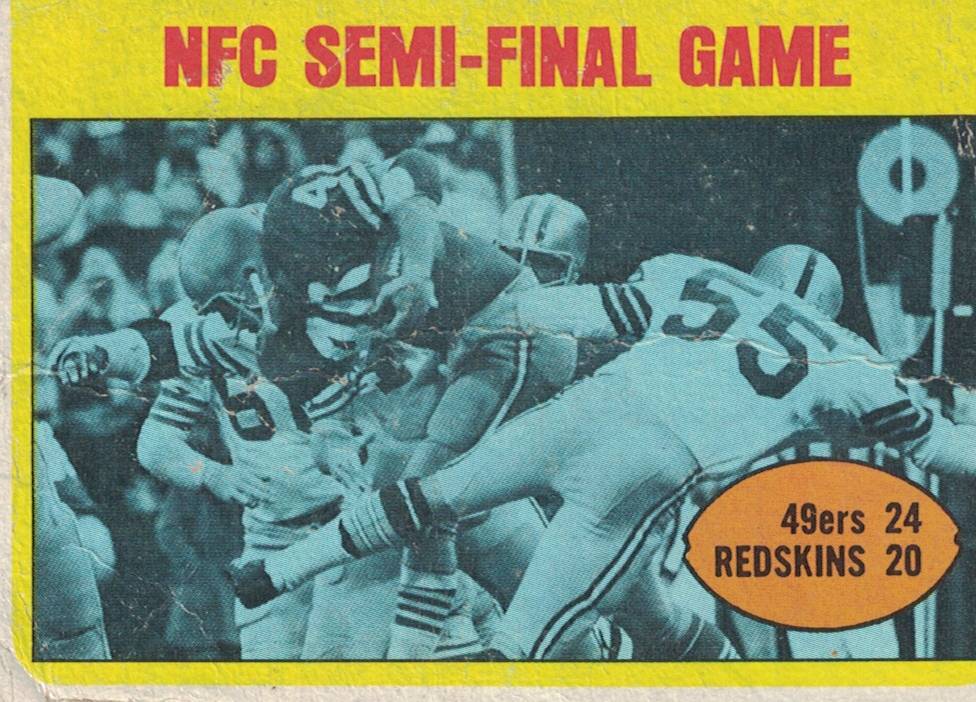
- December 26, 1971 – The NFC had its other Semi-Final Playoff game where the San Francisco 49ers battled the Washington Redskins. The 49ers outlasted Washington 24-20 in this exciting matchup.
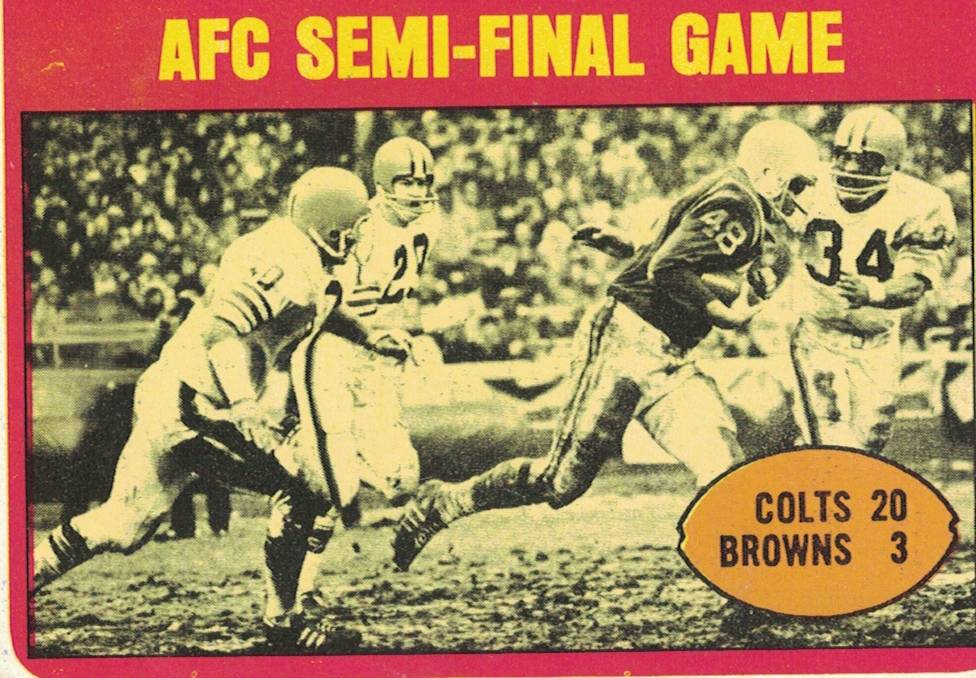
- December 26, 1971 – The AFC had its other Semi-Final Playoff game as the Cleveland Browns hosted the Baltimore Colts. Don Nottingham ran 23 times, earning 92 yards and 2 TDs to help the Colts win 20-3 to advance.
- December 27, 1971 -The first Fiesta Bowl was played, with #8 Arizona State University’s Sun Devils defeating the Florida State Seminoles, 45-38.